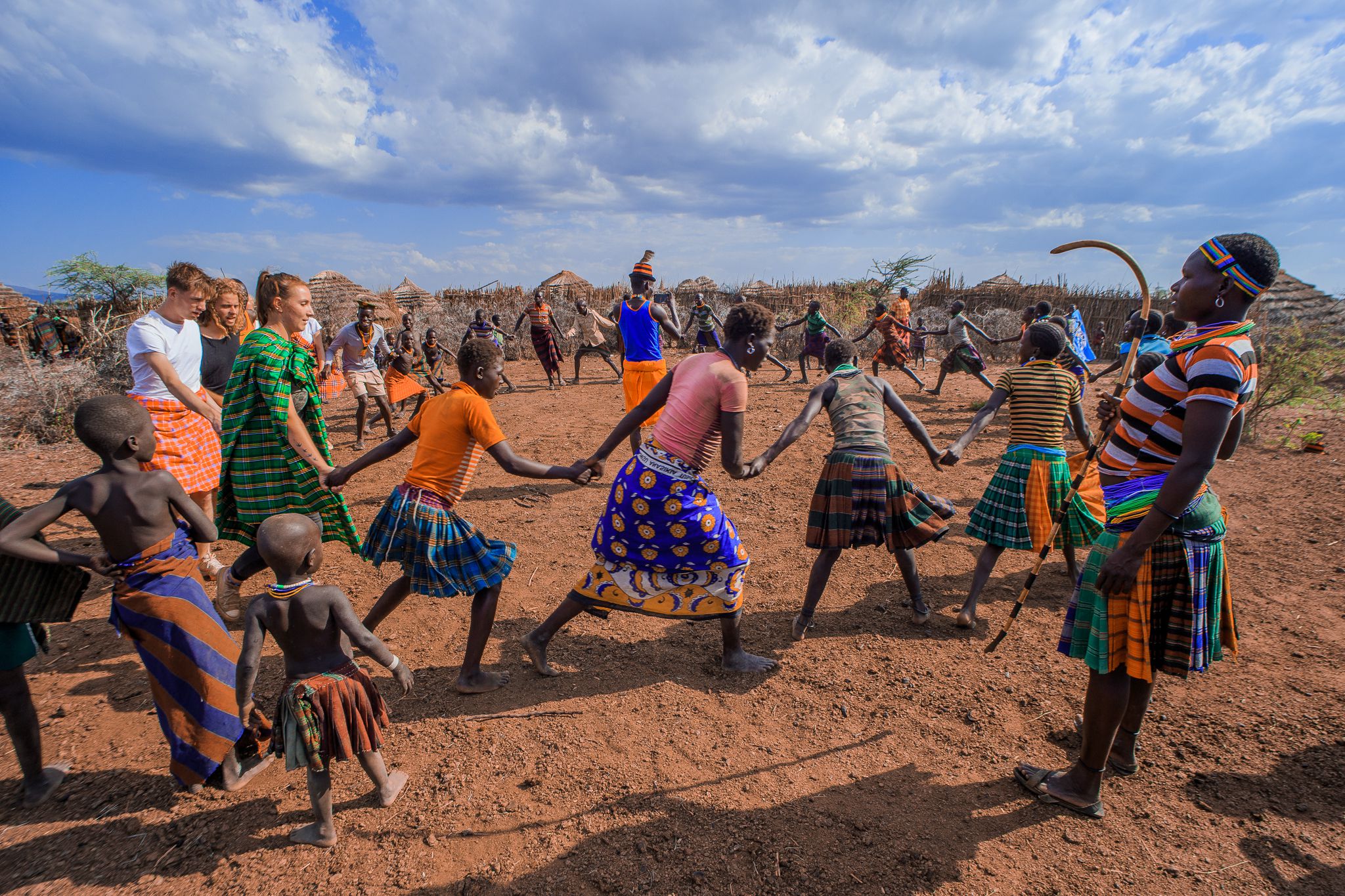
Uganda, the “Pearl of Africa,” offers far more than stunning landscapes and incredible wildlife. The country’s greatest treasure lies in its warm, diverse communities and rich cultural tapestry. A road trip through Uganda presents unique opportunities to connect authentically with local people, transforming a simple journey into a deeply enriching cultural exchange. However, meaningful engagement requires sensitivity, respect, and intentionality. This guide will help you navigate these interactions thoughtfully and create genuine connections during your Uganda safari adventure.
Learn Basic Greetings and Phrases
Language opens doors that remain closed to those who don’t make the effort. While English is widely spoken in Uganda, learning basic greetings in Luganda, the most common local language, demonstrates respect and instantly warms interactions. Master simple phrases like “Oli otya?” (How are you?), “Webale” (Thank you), and “Tulabagane” (See you later). In western Uganda, phrases in Runyankole or Rutoro prove equally valuable.
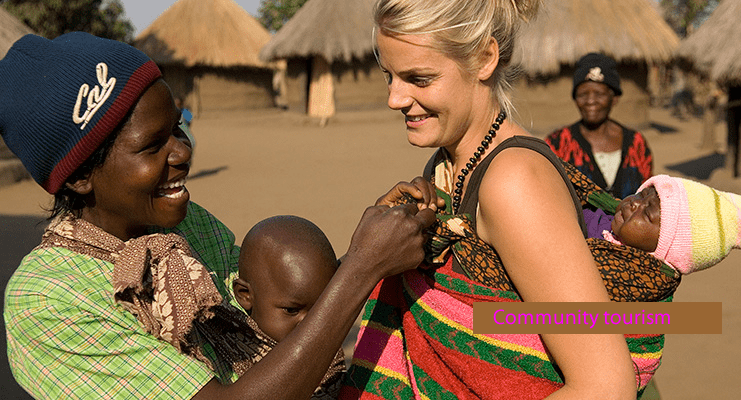
The effort you invest in learning even a handful of words signals genuine interest in local culture rather than tourist superficiality. Ugandans deeply appreciate visitors who attempt their languages, often responding with broad smiles and increased willingness to engage. Don’t worry about perfect pronunciation—your sincere attempt matters far more than linguistic accuracy.
Shop at Local Markets and Roadside Stalls
Uganda’s vibrant markets pulse with authentic local life. Rather than rushing past roadside fruit vendors or craft stalls, stop frequently to browse and purchase. These informal commercial interactions provide natural opportunities for conversation while directly supporting local economies. Markets in towns like Masaka, Mbarara, or Fort Portal offer incredible arrays of fresh produce, handmade crafts, and traditional textiles.
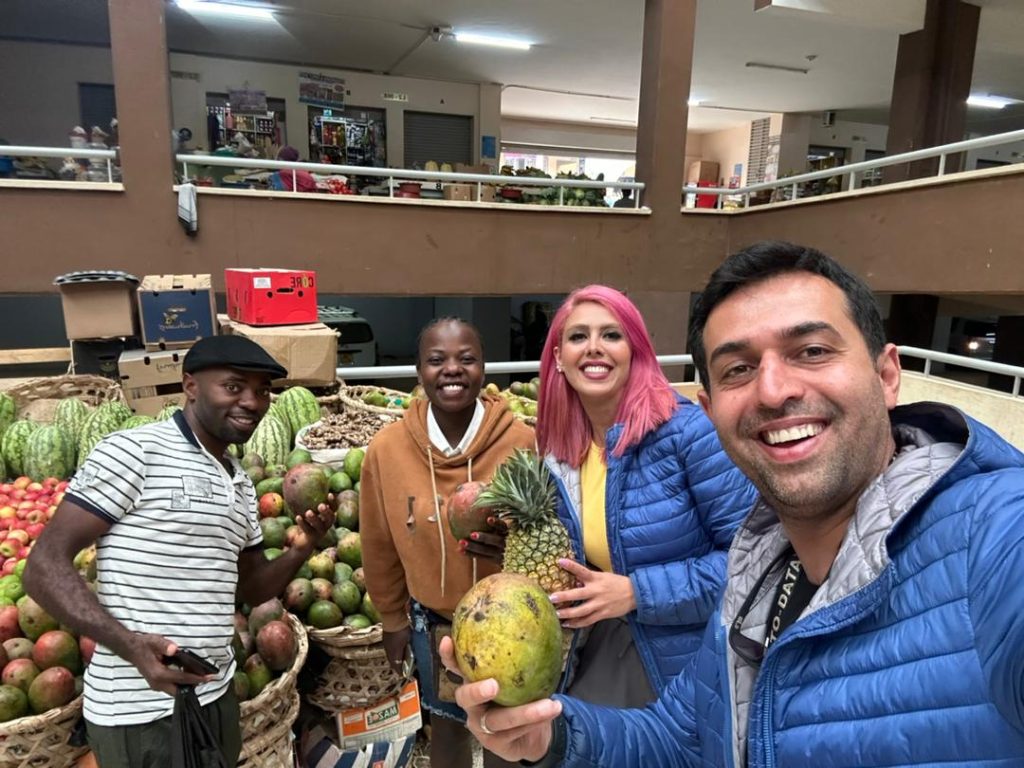
When shopping, engage in friendly bargaining, which is expected and enjoyed rather than considered offensive. Ask vendors about their products—how the baskets are woven, where the fruit was grown, or what traditional uses the herbs serve. These questions demonstrate genuine curiosity and often lead to fascinating conversations about local customs, recipes, and daily life. Always ask permission before photographing vendors or their goods, and consider purchasing something from people you photograph.
Visit Community Tourism Initiatives
Uganda has developed numerous community-based tourism projects that facilitate meaningful cultural exchanges while channeling tourism revenue directly to local communities. The Batwa cultural experience near Bwindi Impenetrable National Park allows you to learn from indigenous forest people about their traditional lifestyle, medicinal plants, and hunting techniques. The Karamojong cultural tours in northeastern Uganda offer insights into one of East Africa’s last semi-nomadic pastoral communities.
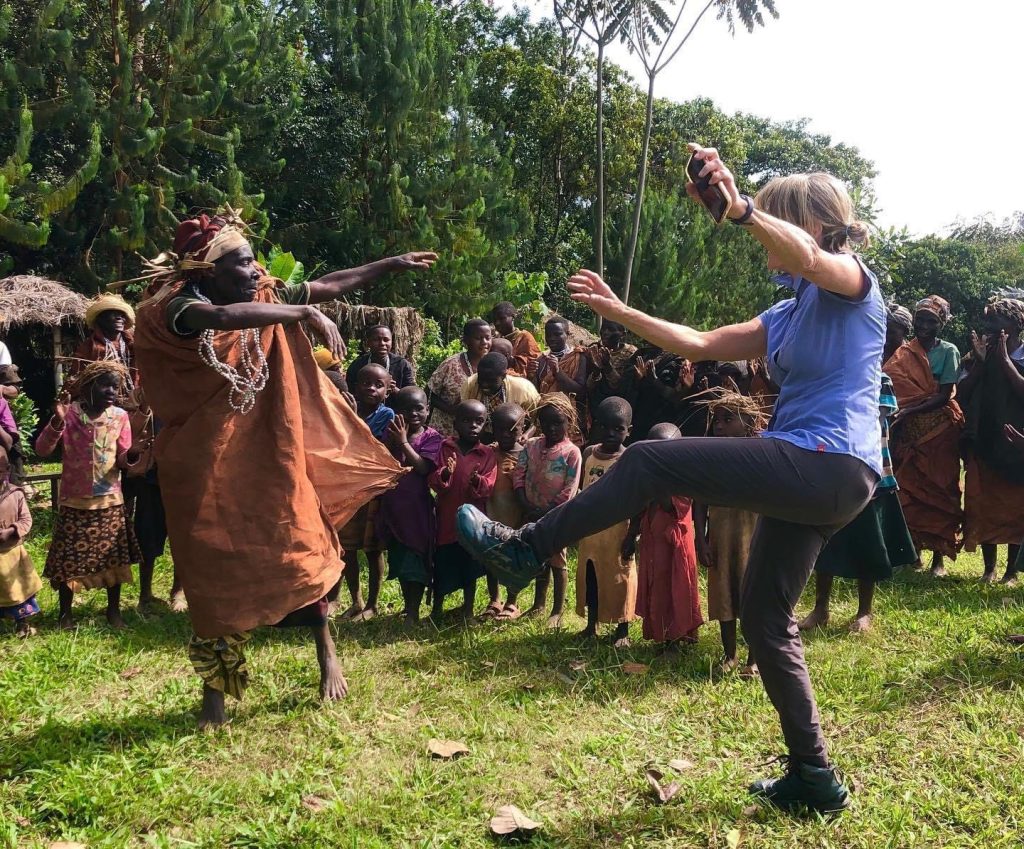
Village walks organized through community cooperatives in regions like Kisoro, Kabale, or the foothills of the Rwenzori Mountains provide authentic glimpses into rural Ugandan life. You might visit traditional homesteads, observe banana beer brewing, watch basket weaving demonstrations, or participate in grinding millet. These structured experiences employ local guides, ensuring cultural sensitivity while creating employment.
Eat Where Locals Eat
Bypass tourist restaurants occasionally and eat at local eateries serving authentic Ugandan cuisine. Small roadside restaurants offer delicious, inexpensive meals like matoke (steamed plantains), posho (maize meal), groundnut sauce, and fresh tilapia. Sharing meals at communal tables naturally facilitates conversations with Ugandans going about their daily lives.
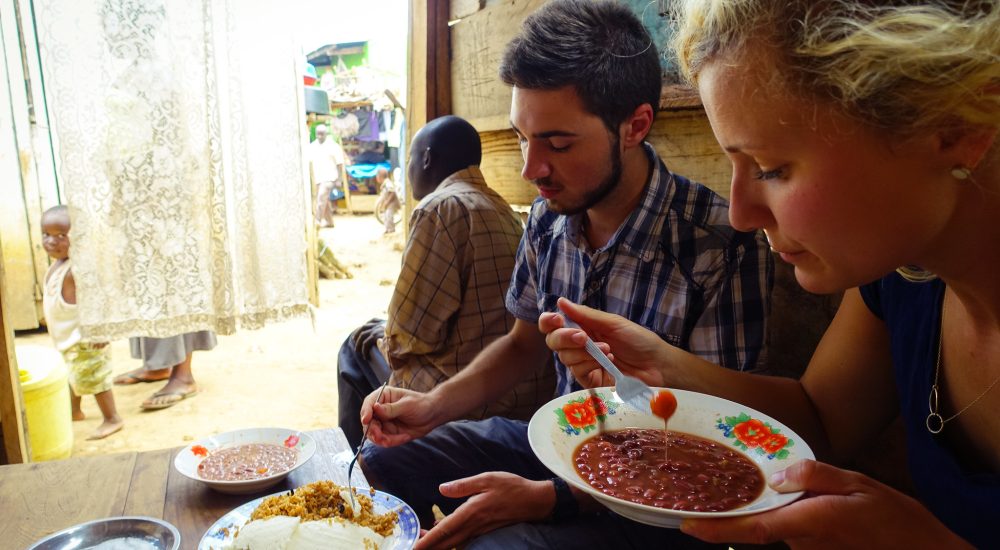
Ask locals for restaurant recommendations rather than relying solely on tourist guides. When you inquire, “Where do you eat when you’re hungry?” people enthusiastically share their favorite spots, often places you’d never discover independently. Food provides universal common ground—discussing favorite dishes, cooking methods, and family recipes transcends cultural barriers beautifully.
Respect Photography Etiquette
Photography requires particular sensitivity when engaging with Ugandan communities. Always ask permission before photographing people, their homes, or their children. Many Ugandans happily agree, but some may decline for cultural, religious, or personal reasons—respect these boundaries without pressure or disappointment.
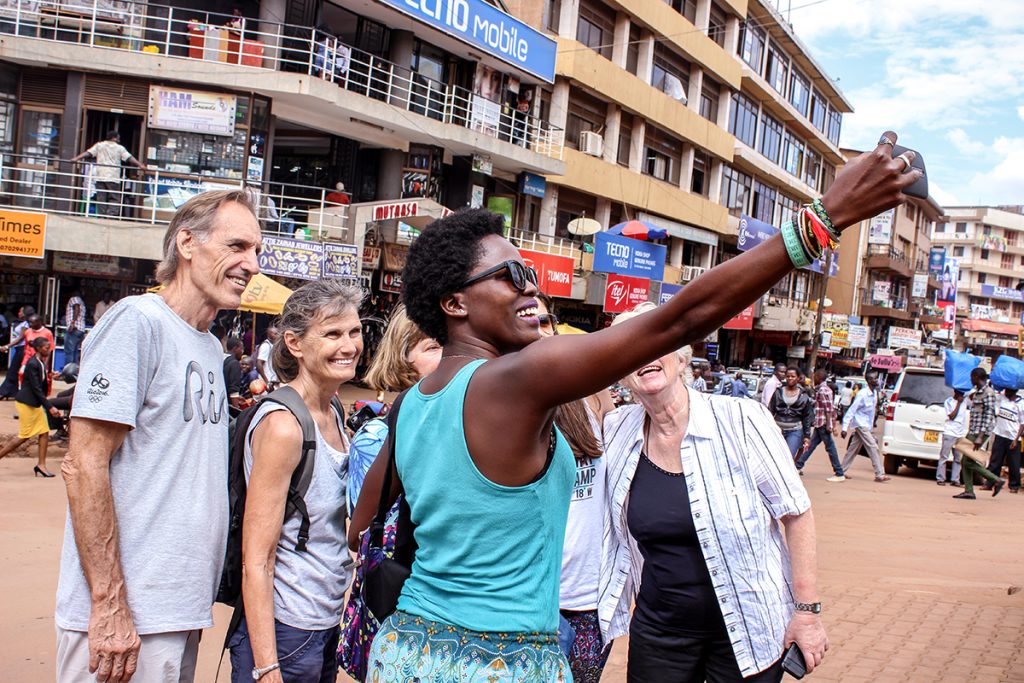
Consider the ethics of your photography. Avoid images that exploit poverty, reinforce stereotypes, or reduce people to exotic subjects. Instead, seek photographs that capture dignity, joy, and the fullness of human experience. If you promise to send photos to people you’ve photographed, honor that commitment—unfulfilled promises from previous tourists create understandable cynicism.
Support Local Guides and Services
Hiring local guides transforms your journey while providing meaningful employment. Community members possess irreplaceable knowledge about local history, ecology, and culture that enriches every destination. Whether navigating Kampala’s neighborhoods, hiking in Mgahinga Gorilla National Park, or exploring Jinja’s islands, local guides offer perspectives no guidebook can match.
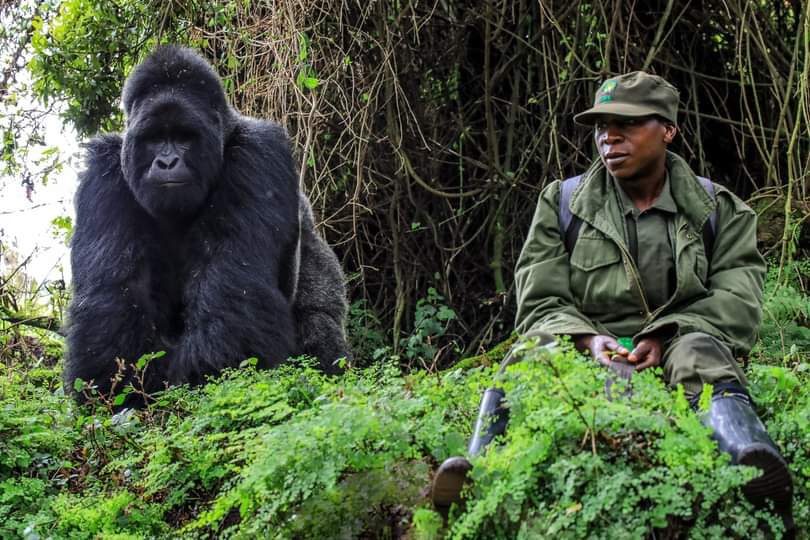
Choose locally-owned accommodations, tour operators, and transport services when possible. These businesses reinvest earnings within their communities, creating multiplier effects that benefit many families. Ask your accommodation hosts about community projects or schools that welcome visitors or donations, ensuring your contributions reach legitimate initiatives rather than scams.
Practice Cultural Sensitivity
Ugandan culture emphasizes respect, particularly toward elders. Greet people properly, dress modestly especially in rural areas, and avoid public displays of affection. Ugandans value politeness and indirect communication, so approach disagreements or negotiations gently rather than confrontationally.
Be mindful that your presence and questions, however well-intentioned, can feel intrusive. Balance curiosity with respect for privacy. If conversations touch on sensitive topics like poverty, politics, or sexuality, listen more than you speak, acknowledging the complexity of issues you may not fully understand as an outsider.
Conclusion
Engaging meaningfully with Ugandan communities during your road trip requires moving beyond the windshield perspective to genuine human connection. Approach interactions with humility, curiosity, and respect. The relationships you build, however brief, will transform your journey from mere sightseeing into something far more profound—a exchange of stories, laughter, and shared humanity that transcends borders and enriches everyone involved.
Planning to rent a car in Uganda for a chance to experience the wildlife and engage with the local communities- we at Uganda Car Rental Deal are ready to offer you a well serviced car with a driver guide. Simply contact us now by sending an email to info@ugandacarrentaldeal.com or call us now on +256-700135510 to speak with the reservations team.