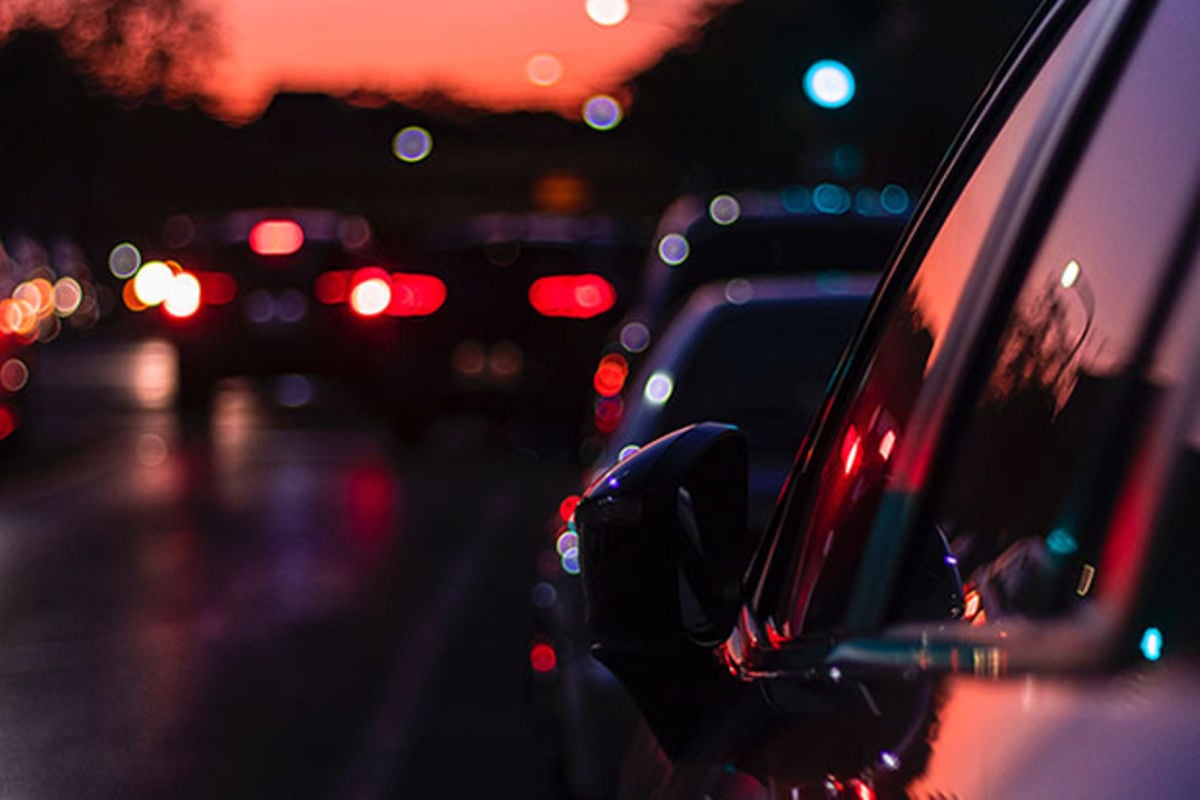
The sun sets quickly in Uganda, and when darkness falls around 6:30 PM, the country’s roads transform into a dramatically different environment. While Uganda’s highways and rural routes are manageable during daylight hours, night driving presents hazards that have led experienced travelers and even U.S. embassy personnel to avoid it entirely. Understanding these dangers and knowing how to navigate them could be the difference between a safe journey and a serious accident.
The Stark Reality of Night Driving Statistics
Most road accidents in Uganda happen between 7 PM and 11 PM, highlighting the elevated risk during evening hours. Uganda recorded over 25,000 road crashes in 2024, with over 4,400 proving fatal. The combination of poor infrastructure, unpredictable road users, and limited visibility creates a perfect storm of danger once the sun goes down.
Poor Lighting Infrastructure: Navigating the Darkness
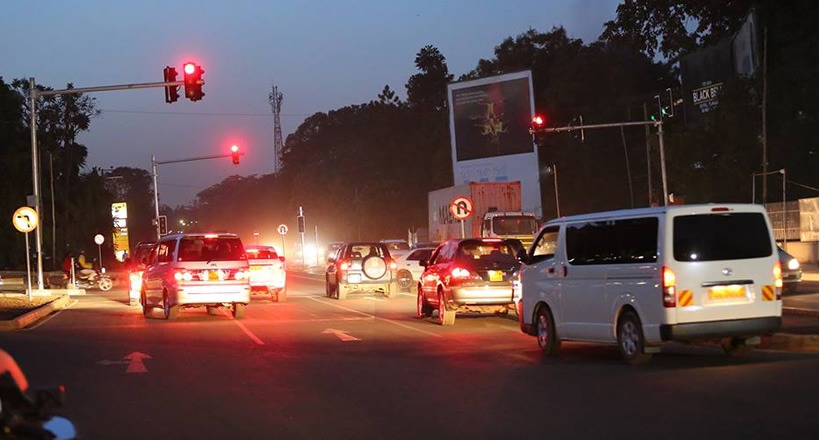
The most fundamental challenge facing night drivers in Uganda is the near-total absence of street lighting outside major urban centers. Potholes are difficult to see in the dark, and approaching traffic uses blinding high beams, creating a hazardous environment even on well-maintained roads.
Most rural highways and secondary roads lack any illumination whatsoever. Even in some sections of major routes connecting cities, you’ll find yourself driving through complete darkness. Road markings, where they exist, are often faded or missing, making it nearly impossible to judge your position on the road or anticipate curves and intersections.
The situation is compounded by oncoming vehicles. Many drivers keep their headlights permanently on full beam, creating blinding glare that temporarily destroys your night vision. Equally dangerous are vehicles traveling with dim or non-functional headlights—a single glow ahead might indicate a motorcycle or it could be a truck with only one working headlight.
Livestock and Wildlife: The Unexpected Road Blockers
At night, other road users may be driving without lights and livestock roam across the roads. In rural areas, cattle, goats, and sheep frequently cross highways without warning, their dark forms nearly invisible until you’re dangerously close. Unlike in countries with wildlife fencing, Uganda’s animals have free range, and herders don’t always use reflective gear or lights.
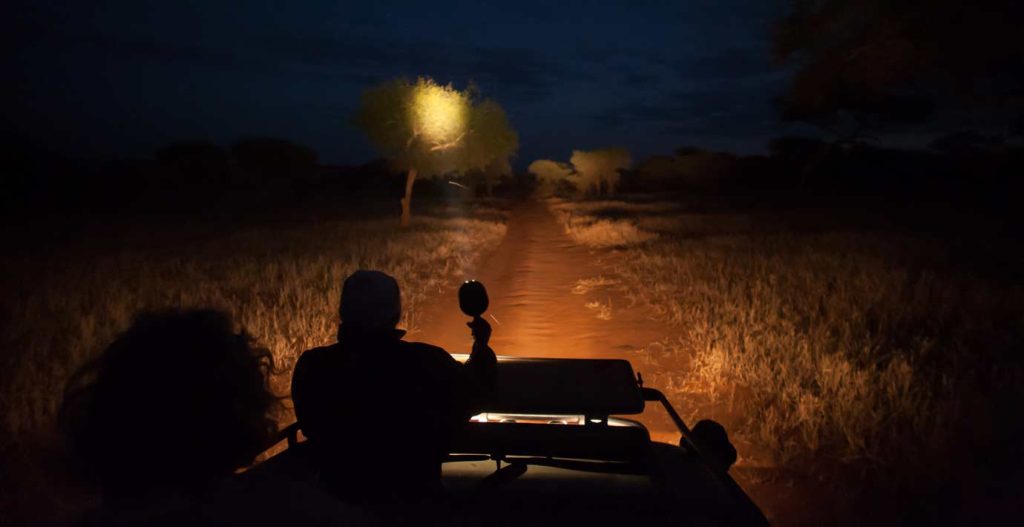
Wildlife presents similar challenges, especially on routes passing through or near national parks. Elephants, buffalo, and various antelope species cross roads during their nocturnal movements. Even smaller animals like monkeys or warthogs can cause serious accidents if you swerve to avoid them at speed.
The recommended approach is simple but crucial: drive at a slower speed at night, especially on unfamiliar roads, as wildlife, pedestrians, and other unexpected obstacles are more difficult to see in the dark.
Vulnerable Road Users Without Visibility
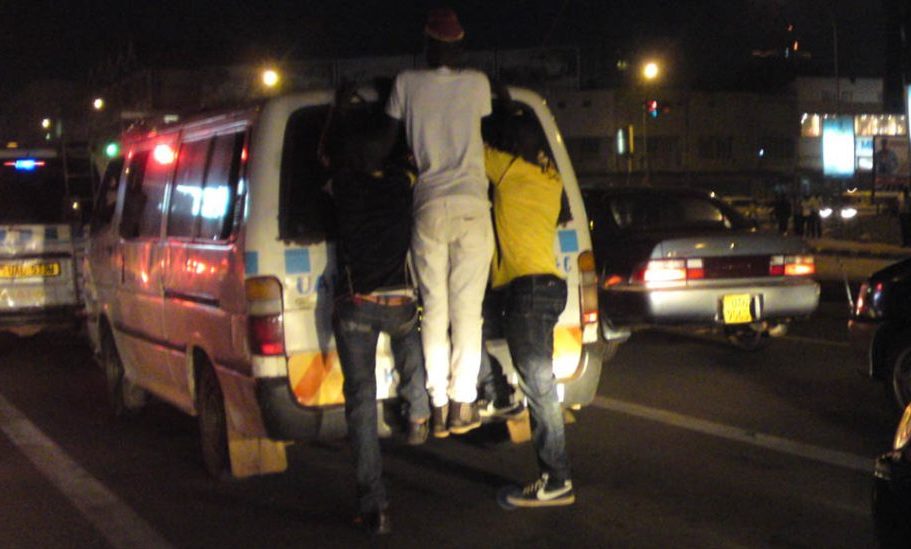
One of the most dangerous aspects of night driving in Uganda involves pedestrians, cyclists, and boda boda motorcycle taxi riders operating without any reflective clothing or lights. These vulnerable road users walk along roadsides or ride through traffic completely invisible until your headlights catch them at the last moment.
Boda bodas are particularly hazardous at night. These motorcycle taxis weave between lanes, make sudden stops, and turn without signaling—all while wearing dark clothing without reflectors. In urban areas like Kampala, pedestrians routinely cross major roads at unmarked locations, often invisible until they’re directly in your path.
Road Infrastructure Hazards
Uganda’s roads feature several infrastructure challenges that become exponentially more dangerous after dark. Unmarked speed bumps represent perhaps the most common hazard. These can rise 30 centimeters above the road surface without any warning signs, painted markings, or advance notice. Hitting one at highway speed can cause serious vehicle damage or loss of control.
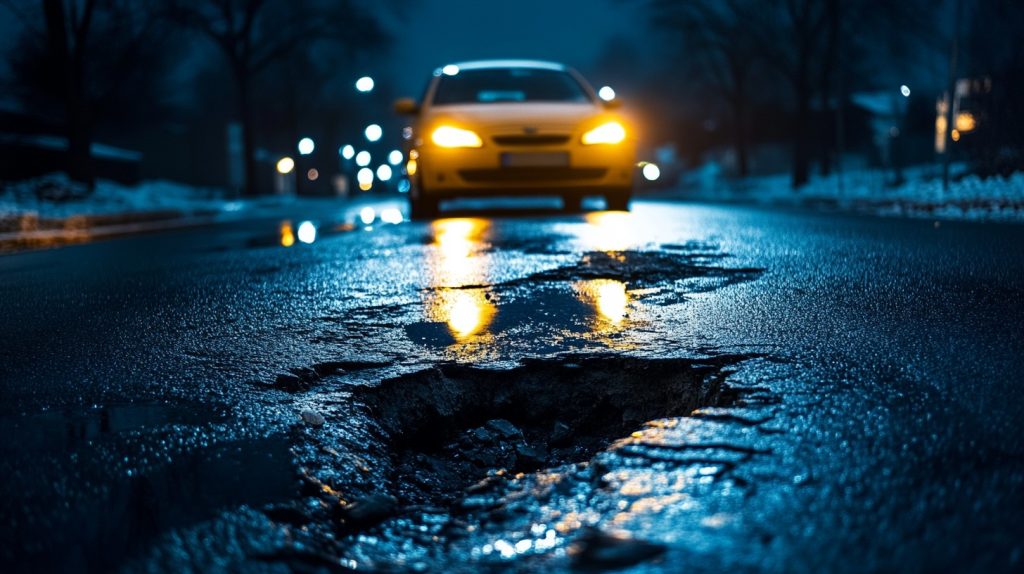
Potholes present another constant threat. What might be a minor inconvenience during daylight—allowing you to steer around visible potholes—becomes a game of Russian roulette at night. Some potholes are deep enough to damage suspension systems or cause tire blowouts, and they’re virtually invisible until your headlights sweep across them.
Even more concerning are broken-down vehicles left in the middle of the road. Overloaded trucks that have broken down often sit unlit in driving lanes, creating collision risks for approaching traffic. The absence of roadside assistance in many areas means these obstacles can remain for hours or even days.
Driver Fatigue and Reduced Reaction Time
Most of the road accidents that occur from midnight to 6am are because of tired, exhausted or drowsy drivers. The combination of darkness, monotonous highway driving, and late hours creates perfect conditions for drowsy driving—as dangerous as driving under the influence of alcohol.
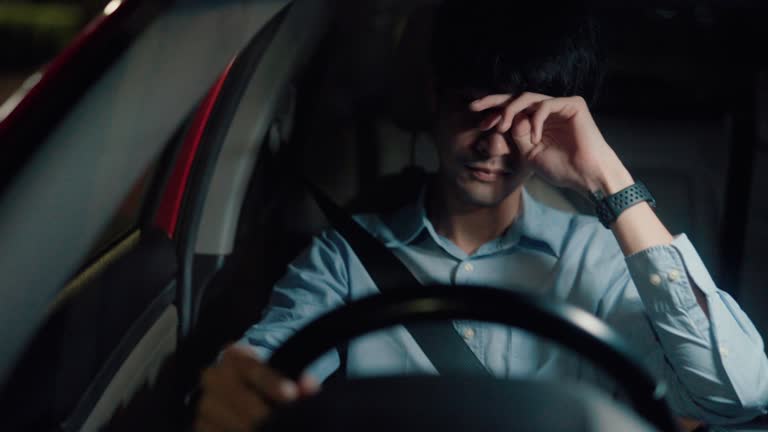
Night driving also reduces your reaction time through a phenomenon called “overdriving your headlights.” This occurs when your stopping distance exceeds your visible distance. If you can’t stop within the area illuminated by your headlights, you’re driving too fast for conditions. In Uganda’s dark environment, this happens at relatively low speeds.
Security Concerns After Dark
Beyond the physical hazards of poor roads and low visibility, night driving carries security risks. Criminals have targeted overnight buses, sometimes posing as passengers or blocking roads to rob travelers. Carjackings and roadside robberies, while not common, occur more frequently at night, particularly on isolated stretches of highway.
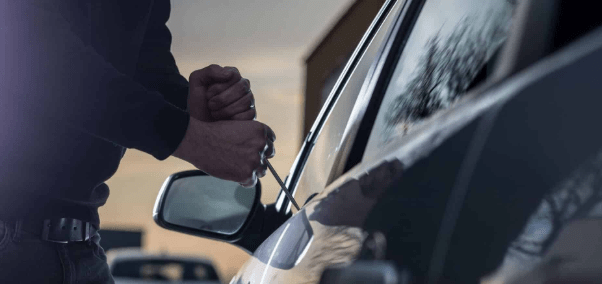
Areas like Mabira Forest, which lies along the Kampala-Jinja highway, are specifically mentioned by local authorities as places to avoid driving through at 3 AM or other late-night hours. The combination of dense forest, limited visibility, and isolation makes such areas particularly vulnerable to criminal activity.
How to Avoid Night Driving Hazards
The most effective strategy is straightforward: don’t drive at night in Uganda. Plan your trips to start in the morning, allowing enough time to reach your destination before 6:30 PM when the sun sets. This single decision eliminates the majority of night-driving risks.
If your circumstances absolutely require night driving, implement these critical safety measures:
Vehicle Preparation: Before departing, test all lights including low and high beams, turn signals, brake lights, and hazard lights. Clean your headlights and ensure proper alignment—misaligned lights blind oncoming traffic while failing to illuminate your path adequately. Check that all windows are clean inside and out, as glare and poor visibility worsen with dirty glass.
Reduce Speed Significantly: Drive well below daytime speeds. Even if roads appear clear, maintain speeds that allow you to stop within your headlight range. Slower speeds give you crucial extra seconds to react to livestock, pedestrians, potholes, or broken-down vehicles.
Manage Your Headlights: Use high beams on dark roads without streetlights, but dim them immediately when approaching oncoming vehicles. The temporary blindness caused by high beams significantly increases accident risk. If oncoming drivers fail to dim theirs, avoid looking directly at their lights—focus on the right edge of the road instead.
Combat Fatigue: If driving late hours, take breaks at restaurants or guesthouses. Coffee or other caffeine can help temporarily, but there’s no substitute for adequate rest. Consider traveling with a licensed companion who can share driving duties. If you feel drowsy, stop immediately—drowsy driving is as dangerous as drunk driving.
Stay Alert for Vulnerable Road Users: Watch constantly for pedestrians, cyclists, and boda bodas, especially in populated areas. Assume they cannot see you and are not paying attention to traffic.
Carry Emergency Supplies: Pack a flashlight, reflective vest, warning triangle, first aid kit, extra water, and a fully charged phone with a local SIM card. Know emergency numbers: 999 for police and 112 for medical services, though response times vary significantly outside cities.
Choose Your Routes Carefully: Stick to major highways when possible—they’re generally in better condition with slightly better lighting in some sections. Avoid secondary roads and shortcuts through rural areas.
What to Do If You Break Down at Night
If your vehicle breaks down after dark, move as far off the road as possible and immediately activate hazard lights. Set up reflective warning triangles behind your vehicle if you have them. Wear a reflective vest if you must exit the vehicle.
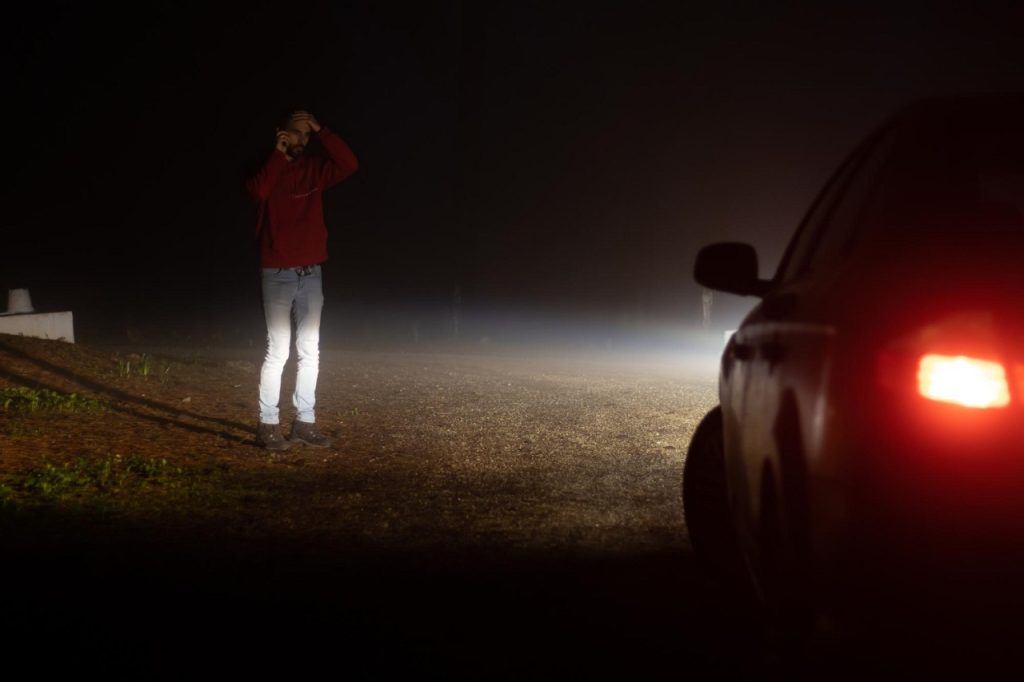
Lock your doors and wait for assistance inside the vehicle unless it’s absolutely unsafe to remain there. Contact your car rental company’s roadside assistance or trusted contacts rather than accepting help from unknown individuals. While many Ugandans are genuinely helpful, exercise caution in isolated nighttime situations.
The Bottom Line
Night driving in Uganda multiplies normal road risks several times over. The combination of inadequate lighting, poorly maintained infrastructure, unpredictable road users, and potential security concerns creates an environment where even experienced drivers face significant danger.
The advice from local operators, international travelers, and safety experts is unanimous: plan your journeys to finish before sunset. If you arrive on a late flight or find yourself running behind schedule, consider staying overnight near the airport or your current location rather than pushing forward into darkness.
For travelers who absolutely must drive after dark, the key is extreme caution, significantly reduced speeds, proper vehicle preparation, and constant vigilance. But the wisest approach remains simple—let the African sun be your guide, and keep your driving adventures confined to daylight hours.
Need safe, reliable transportation in Uganda? Uganda Car Rental Deal provides well-maintained 4×4 vehicles with experienced drivers who know how to navigate Uganda’s roads safely, day or night. We’ll help you plan your itinerary to avoid night driving whenever possible. Contact us at info@ugandacarrentaldeal.com or call +256-700135510 for safe travel solutions throughout Uganda.