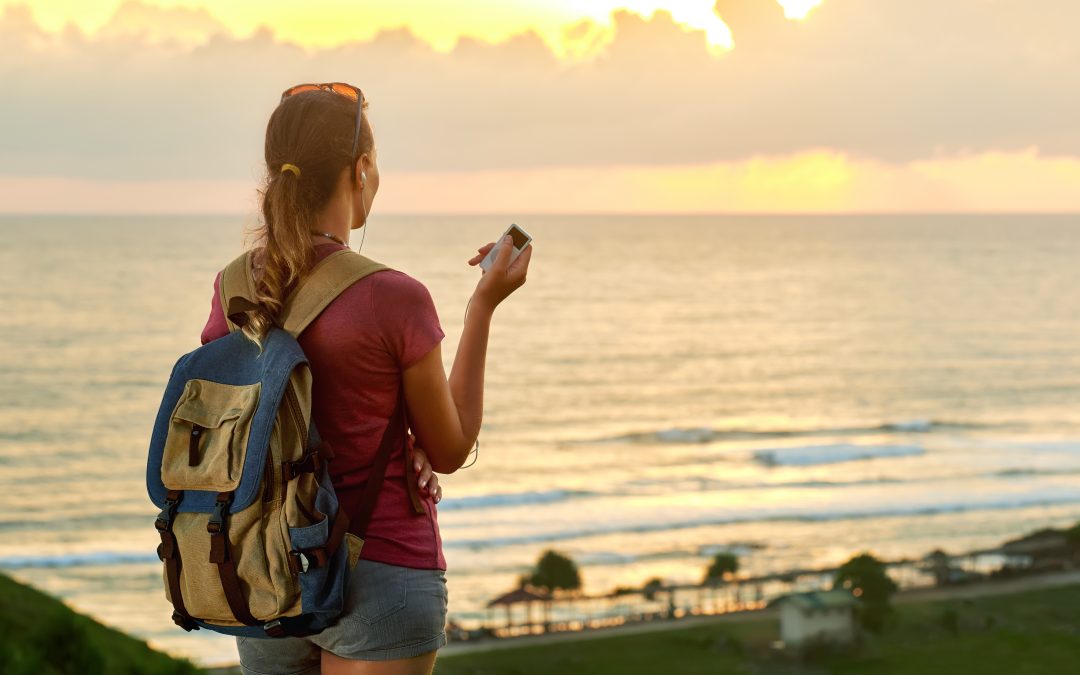
Uganda’s reputation as the “Pearl of Africa” draws thousands of solo travelers each year, eager to trek with mountain gorillas, witness thundering waterfalls, and explore vibrant cities. While Uganda is generally safe and welcoming, solo travelers face unique challenges that require specific preparation and awareness. This comprehensive safety protocol has been developed from government advisories, local expert guidance, and the experiences of countless independent travelers who’ve successfully navigated Uganda alone.
Step 1: Pre-Travel Preparation and Documentation
Your safety journey begins long before you board the plane to Entebbe. Proper preparation creates a foundation that protects you throughout your trip.
Smart Traveler Enrollment Program (STEP)
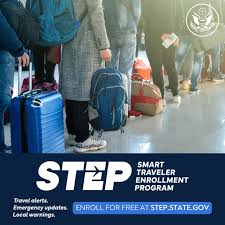
Enrolling in the Smart Traveler Enrollment Program helps the embassy contact you or your emergency contact in emergencies. This free service from your embassy allows officials to reach you during natural disasters, civil unrest, or family emergencies. It takes just five minutes online but provides crucial communication channels if situations deteriorate.
Beyond STEP, establish multiple communication methods before departure. Uganda’s internet can be unreliable, and the government has temporarily suspended internet access during politically sensitive periods, as occurred during the January 2026 elections. Download offline maps of major cities and national parks, save important phone numbers locally on your device, and arrange scheduled check-ins with family or friends back home.
Essential Documentation
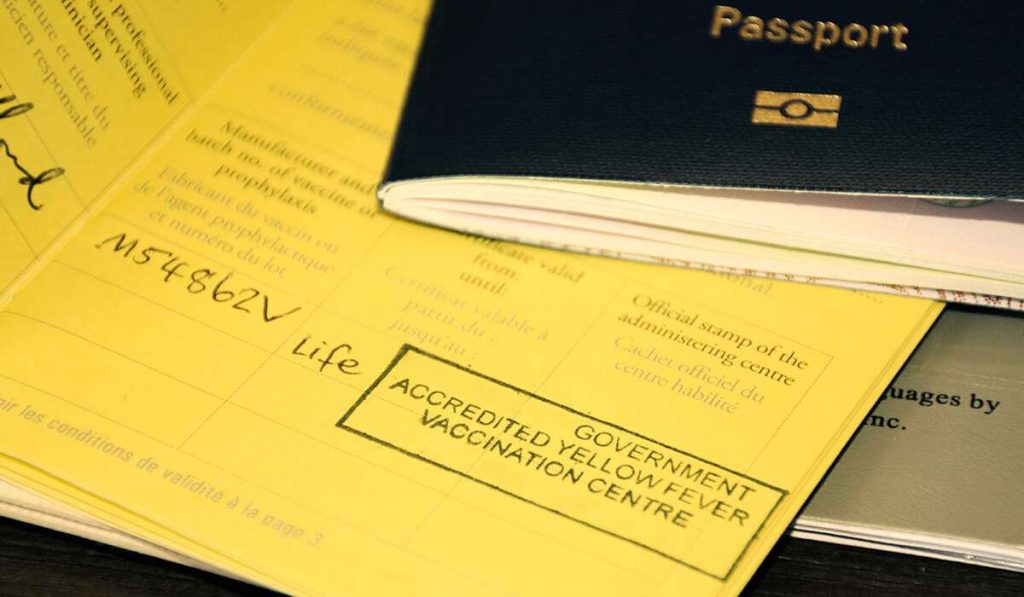
Yellow fever vaccination is strictly enforced at Entebbe International Airport, and travelers without valid certificates may be denied entry. Beyond this mandatory requirement, ensure you have:
- Multiple photocopies of your passport (keep originals in hotel safes)
- Digital copies of all travel documents stored in cloud services
- Comprehensive travel insurance that specifically covers medical evacuation—facilities outside Kampala are very limited
- Proof of accommodation for visa applications
- Emergency contact information for your embassy
Apply for your visa at least two weeks in advance through Uganda’s online system. The process requires your passport, recent photo, and accommodation details.
Health Preparations
Schedule a travel health consultation 6-8 weeks before departure. Uganda requires yellow fever vaccination, but other critical immunizations include hepatitis A and B, typhoid, tetanus, and rabies (especially if visiting wildlife areas). Malaria is prevalent throughout Uganda, and antimalarial medication is strongly advised.
Pack a comprehensive medical kit including:
- Antimalarial medication (consult your doctor about the best type for Uganda)
- Antibiotics for traveler’s diarrhea
- Oral rehydration salts
- High-strength insect repellent with DEET
- Water purification tablets
- Basic first aid supplies
- Prescription medications with copies of prescriptions
Medical evacuation insurance isn’t optional—it’s essential. Medical facilities outside Kampala lack advanced resources for critical care, and you may need evacuation to Kenya or beyond for serious conditions.
Step 2: Urban Safety Protocols in Kampala and Major Cities
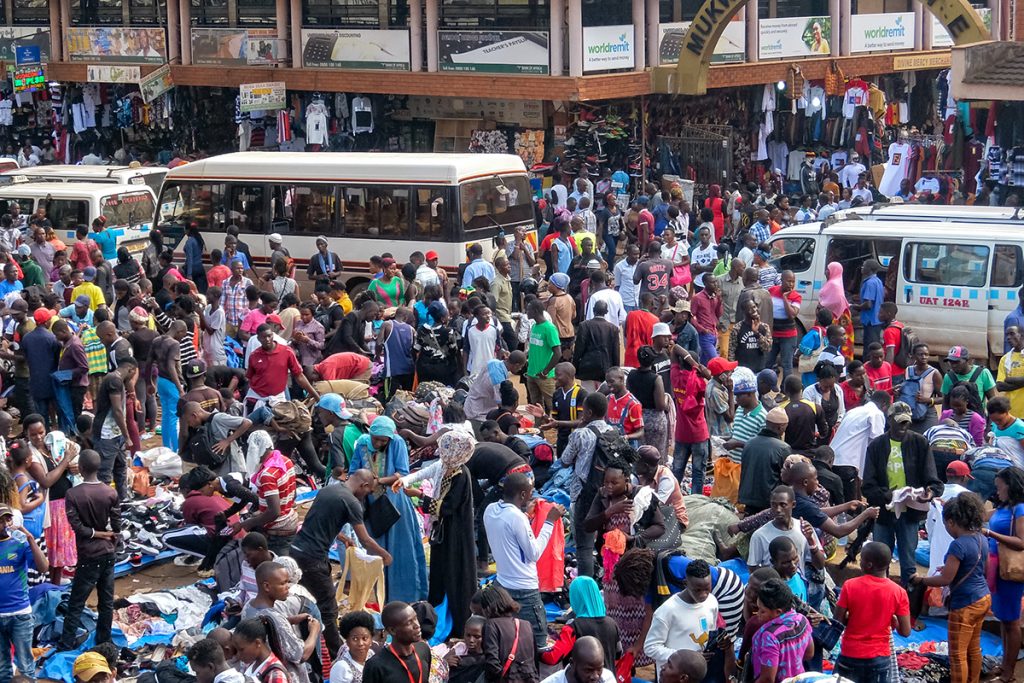
Uganda’s cities, particularly Kampala, present different safety challenges than rural areas. Petty crimes like pick-pocketing and phone snatching occur in crowded markets and late at night in cities, though violent crime against tourists remains rare.
Daily Urban Safety Practices
Pick-pocketing and bag snatching happen especially on public transport, and theft from vehicles stuck in traffic is common. Solo travelers should adopt these protective measures:
In Public Spaces:
- Never display expensive jewelry, cameras, or smartphones openly
- Keep valuables in hidden money belts or secure internal pockets
- Carry only what you need for the day; leave passports and excess cash in hotel safes
- Stay vigilant in crowded markets, bus stations, and popular tourist areas
- Be especially cautious in Kampala’s downtown areas and busy markets
Transportation Safety: U.S. embassy employees are prohibited from using taxis and boda bodas due to accident and crime risks. For solo travelers, this suggests extreme caution with public transport. Instead:
- Use reputable ride-sharing apps like Uber and Safe Boda in major cities
- Book taxis through your hotel rather than hailing them on the street
- Sit in the back seat and keep doors locked while driving through traffic
- Avoid motorcycle taxis (boda bodas) unless absolutely necessary—they account for many accidents and are involved in theft incidents
After Dark: Walking around large towns at night is theoretically possible but requires caution. Except for the Kampala-Entebbe airport road, embassy employees are prohibited from driving after dark outside city limits. For solo travelers:
- Avoid walking alone on poorly lit streets after sunset
- Use trusted taxi services for evening transportation
- Stay in well-populated, well-lit areas if walking at night
- Return to your accommodation before dark when possible
Neighborhood Awareness
Not all areas of Kampala are equally safe. Upmarket neighborhoods like Kololo, Nakasero, and Ntinda are generally secure, with lower crime rates and better lighting. However, areas like Kisenyi and Katwe experience higher crime rates and should be avoided, especially for solo travelers.
Scam Awareness
Tourist-targeted scams exist in Uganda, though they’re less prevalent than in some neighboring countries. Common schemes include:
- Fake tour guides offering unofficial services at inflated prices
- Taxi drivers taking unnecessarily long routes or claiming meters are broken
- Money exchange scams in unofficial bureaus
- Overpriced craft vendors targeting foreigners
Combat these by researching fair prices in advance, using only licensed tour operators, and exchanging money at banks or reputable forex bureaus.
Step 3: Transportation and Road Safety Strategy
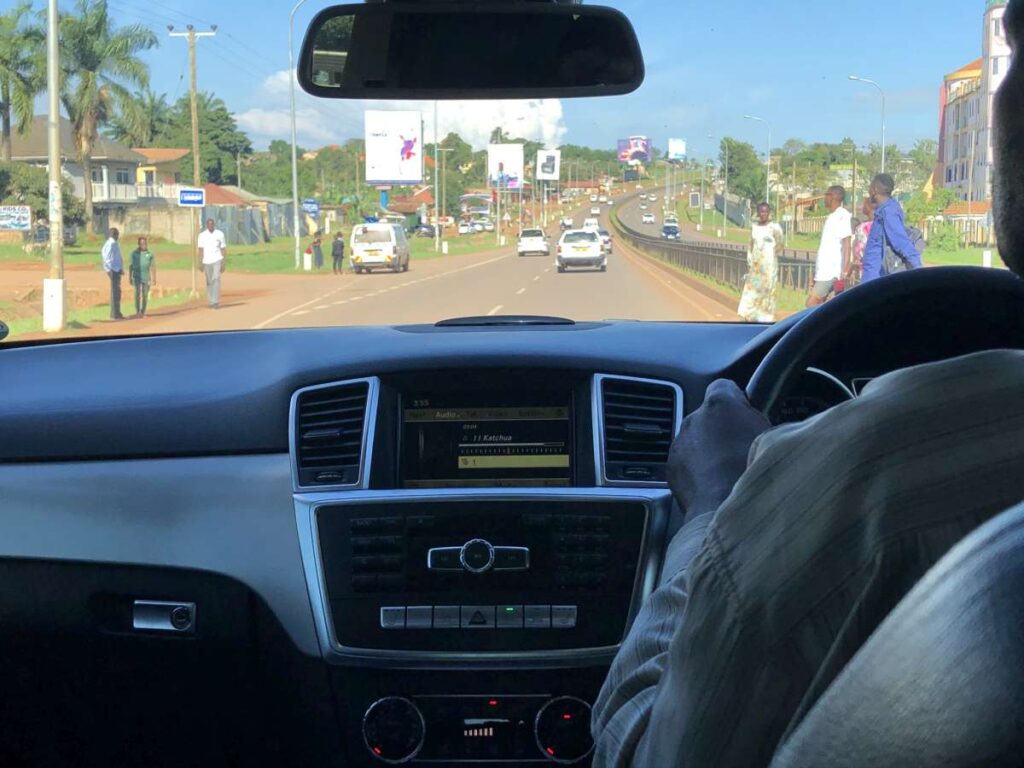
Road accidents pose one of the most significant dangers to travelers in Uganda—arguably greater than crime. Collisions with pedestrians account for nearly 20 percent of all crashes, and alcohol is frequently a contributing factor, particularly at night.
Inter-City Travel
Fatal accidents caused by reckless driving, excessive speed, and poor vehicle maintenance have occurred with intercity buses and vans in the past. For solo travelers, this means making strategic transportation choices:
Recommended Options:
- Domestic flights for long distances (especially to Kidepo Valley or western parks)
- Reputable shuttle bus services like the Pineapple Express for Kampala-Entebbe-Jinja routes
- Private hire vehicles with professional drivers from established car rental companies
- Organized tours with experienced safari drivers
Avoid:
- Overnight long-distance buses (high accident rates and banditry risk)
- Minibus taxis (matatus) that are overcrowded and poorly maintained
- Hitchhiking or accepting rides from strangers
- Any vehicle that appears poorly maintained
Driving Yourself
Self-drive is possible in Uganda, but it demands defensive driving skills and awareness of local conditions. If you choose to drive:
Avoid driving at night because street lighting in certain parts of Uganda may be poor. Additionally:
- Rent only from reputable companies with well-maintained 4×4 vehicles
- Ensure you have two spare tires (punctures from thorns are common)
- Carry your International Driving Permit along with your home license
- Never drive after consuming alcohol
- Watch for pedestrians, livestock, and cyclists on roads
- Large branches or rocks in the road sometimes indicate upcoming obstructions or dangers
The Jinja-Kampala and Kampala-Masaka roads have particularly high accident rates. Exercise extreme caution on these routes.
Accident Protocols
Crowds often gather around traffic accidents, and mob anger against the driver perceived to be at fault may occur. In Uganda, the protocol is to remain in your vehicle and drive to the nearest police station to report the accident, especially if tensions appear high. Here’s a guide on what to do next in-case of a rental car accident in Uganda.
Step 4: Political Awareness and Civil Unrest Response
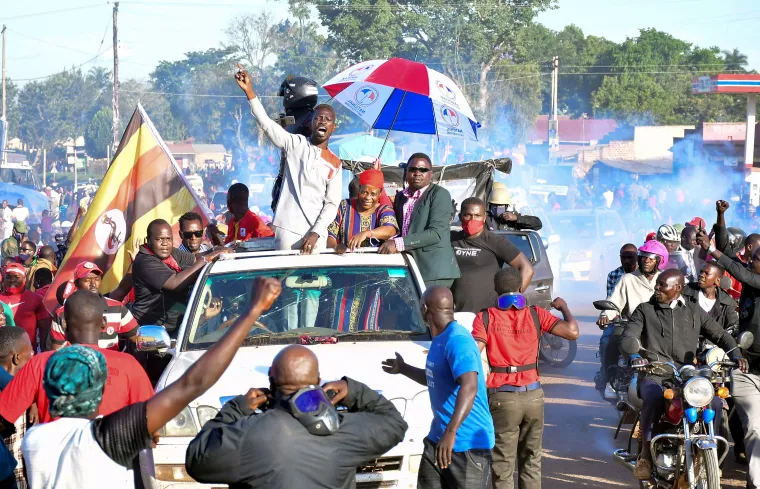
Uganda’s political landscape requires attention from solo travelers, particularly during election periods. Presidential and Parliamentary elections were held on January 15, 2026, and previous election campaigns and result announcements have led to protests and violence, including fatalities.
Recognizing Political Sensitivities
During periods of political tension, local authorities may increase security measures, restrict movement without notice, and impose curfews. Solo travelers should:
Monitor the Situation:
- Follow local news sources daily
- Check embassy alerts and travel advisories regularly
- Stay informed about planned demonstrations or rallies
- Be prepared for sudden disruptions to services
Practical Preparations: Be prepared for disruptions including unrest, curfews, roadblocks, fuel shortages, ATMs running out of cash, and internet blackouts. Maintain:
- Extra cash in small denominations (ATMs may be empty during unrest)
- Fuel tank above half full
- Supplies of bottled water, non-perishable food, and medications
- Multiple communication methods in case internet is suspended
Demonstration Protocols
When protests turn chaotic, security services respond with force using batons, rubber bullets, tear gas, and gunfire. If you encounter a demonstration:
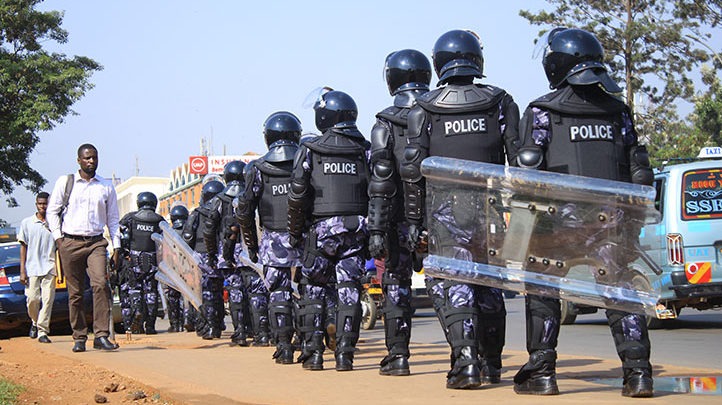
- Immediately leave the area by the safest possible route
- Don’t attempt to photograph or film protests
- If in a vehicle, keep doors locked and windows closed
- If in your accommodation, stay inside until the situation stabilizes
- Never approach crowds of protesters or security forces
Red and yellow are strongly associated with political parties in Uganda, so consider not wearing these colors around political events. Purple and blue also carry political associations. During sensitive periods, neutral-colored clothing reduces the risk of being mistakenly identified with political movements.
Legal Restrictions to Know
Uganda has specific laws that may surprise foreign visitors:
- It is illegal for anyone to dress in military-style clothing, including camouflage and red berets, with a maximum sentence of life imprisonment
- Photographing government buildings, military installations, airports, and Owen Falls Dam is forbidden
- Electronic cigarettes and shisha are illegal
- The 2023 Anti-Homosexuality Act criminalizes consensual same-sex relations with penalties including life imprisonment
Step 5: Health, Wildlife, and Environmental Safety
Uganda’s tropical environment presents health challenges that require daily vigilance. Beyond the pre-travel vaccinations mentioned earlier, maintaining health during your journey demands consistent practices.
Disease Prevention Daily Routine
Malaria poses the most significant health threat to visitors. Implement a comprehensive anti-malaria strategy:
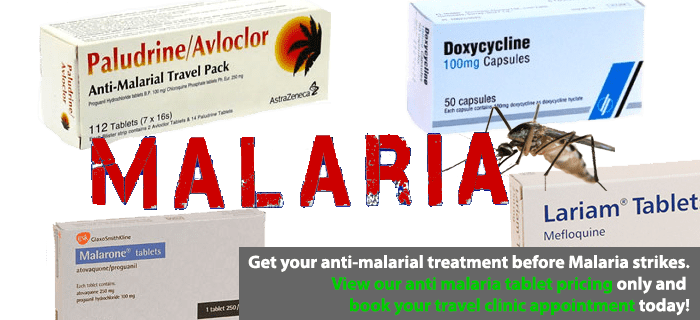
- Take prescribed antimalarial medication exactly as directed (before, during, and after your trip)
- Apply DEET-based insect repellent (30-50% concentration) to exposed skin
- Wear long sleeves and long pants during dawn and dusk when mosquitoes are most active
- Sleep under treated mosquito nets, even in hotels
- Use air conditioning or fans to discourage mosquitoes
Water and Food Safety
Only drink water from sealed bottles and carbonated drinks, and ask for drinks with no ice as ice is often made with tap water which may be contaminated. Additional precautions:
- Avoid raw salads and unpeeled fruits in rural areas
- Choose thoroughly cooked food from reputable establishments
- Skip street food unless it’s freshly cooked in front of you
- Wash hands frequently or use hand sanitizer (minimum 60% alcohol)
- Avoid brushing teeth with tap water
Wildlife Safety
Uganda’s incredible wildlife viewing opportunities come with responsibilities:
Most animals avoid people, but they may attack if threatened, protecting young or territory, or if injured or ill. During game drives and treks:
- Never exit your vehicle during game drives unless explicitly permitted by rangers
- Maintain safe distances from all wildlife (your guide will advise)
- Never attempt to touch or feed wild animals
- Do not get between animals and their escape routes
- Follow ranger instructions precisely during gorilla trekking
- Do not allow animals to lick open wounds, and do not get animal saliva in your eyes or mouth
Water-Related Risks
Schistosomiasis, a parasitic infection spread in fresh water, is found in Uganda, so avoid swimming in fresh, unchlorinated water such as lakes, ponds, or rivers. This includes:
- Lake Victoria and other freshwater lakes
- Rivers and streams
- Unchlorinated pools at budget accommodations
Stick to chlorinated hotel pools or the ocean if you want to swim.
Environmental Hazards
Uganda experiences extreme weather that can trigger flash flooding, mudslides, and landslides, particularly in mountainous areas. Monitor weather forecasts, especially if trekking or traveling to highland regions. The rainy seasons (March-May and October-November) bring the highest risk.
Putting It All Together: Your Solo Travel Success Strategy
These five steps work together to create comprehensive protection for solo travelers in Uganda. Success comes from implementing them consistently rather than perfectly.
Working with Local Expertise
Solo travel doesn’t mean traveling without support. Uganda’s tourism industry has developed specifically to serve independent travelers safely:
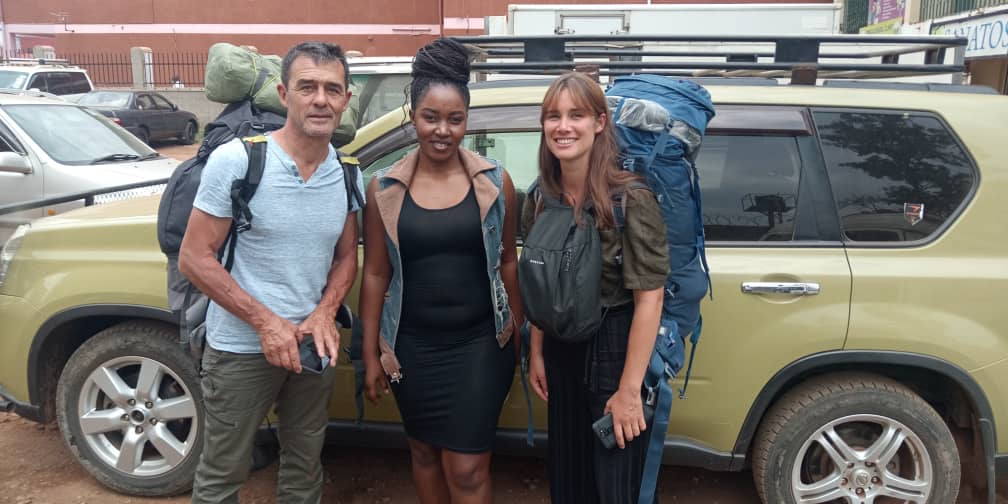
Reputable Tour Operators: Licensed tour companies employ guides who understand security situations, can adjust itineraries quickly, and provide valuable local knowledge. Even solo travelers benefit from booking gorilla treks, game drives, and complex itineraries through established operators.
Tourism Police: The Uganda Tourism Police work alongside tourism operators in popular locations like Bwindi Impenetrable Forest, Murchison Falls, Queen Elizabeth National Park, and Kibale Forest. Don’t hesitate to approach them if you need assistance.
Accommodation Staff: Hotel and lodge staff provide excellent local safety advice. Ask them about:
- Which areas to avoid in their town or city
- Safe taxi services to use
- Current security situations
- Appropriate dress codes for the local area
Balancing Caution with Experience
Uganda rewards travelers who prepare thoughtfully but don’t allow fear to paralyze them. The vast majority of solo travelers complete their Ugandan adventures without incident, creating memories of extraordinary wildlife encounters, warm hospitality, and stunning landscapes.
The key is informed awareness rather than paranoia. Understanding risks allows you to mitigate them without missing the experiences that make Uganda special. A solo traveler who follows this five-step protocol can confidently explore Kampala’s vibrant markets, track mountain gorillas through misty forests, photograph lions on the savanna, and connect with Uganda’s famously welcoming people.
When to Reconsider Plans
While Uganda is generally safe, certain situations warrant reconsidering or postponing travel:
- Active Ebola or disease outbreaks in your planned destinations
- Widespread political violence following elections
- Security incidents specifically targeting tourists
- Border conflicts affecting areas you plan to visit
- Your embassy issuing specific “do not travel” advisories
Stay flexible. If conditions change during your trip, be willing to adjust itineraries, skip certain destinations, or cut your trip short if necessary. Your safety always takes precedence over sightseeing goals.
Emergency Contacts
Program these numbers before you arrive:
- Police: 999
- Your embassy’s emergency number
- Uganda Tourism Police
- Your travel insurance emergency line
- Contacts for your accommodation and tour operator
Uganda’s combination of spectacular wildlife, diverse landscapes, and genuine hospitality makes it one of Africa’s most rewarding destinations for solo travelers. By following this five-step safety protocol—thorough pre-travel preparation, urban awareness, transportation caution, political sensitivity, and health vigilance—you create the foundation for a safe, enriching experience.
Remember: solo travel in Uganda is very much possible and can be incredibly rewarding. The protocols outlined here aren’t meant to frighten you away but to empower you with the knowledge needed to navigate Uganda confidently and safely.
Ready to explore Uganda safely? Uganda Car Rental Deal provides reliable 4×4 vehicles with experienced drivers who understand local safety protocols. We can help you navigate Uganda’s roads safely while you focus on the incredible experiences awaiting you. Contact us at info@ugandacarrentaldeal.com or call +256-779232316 to discuss your safe travel options.