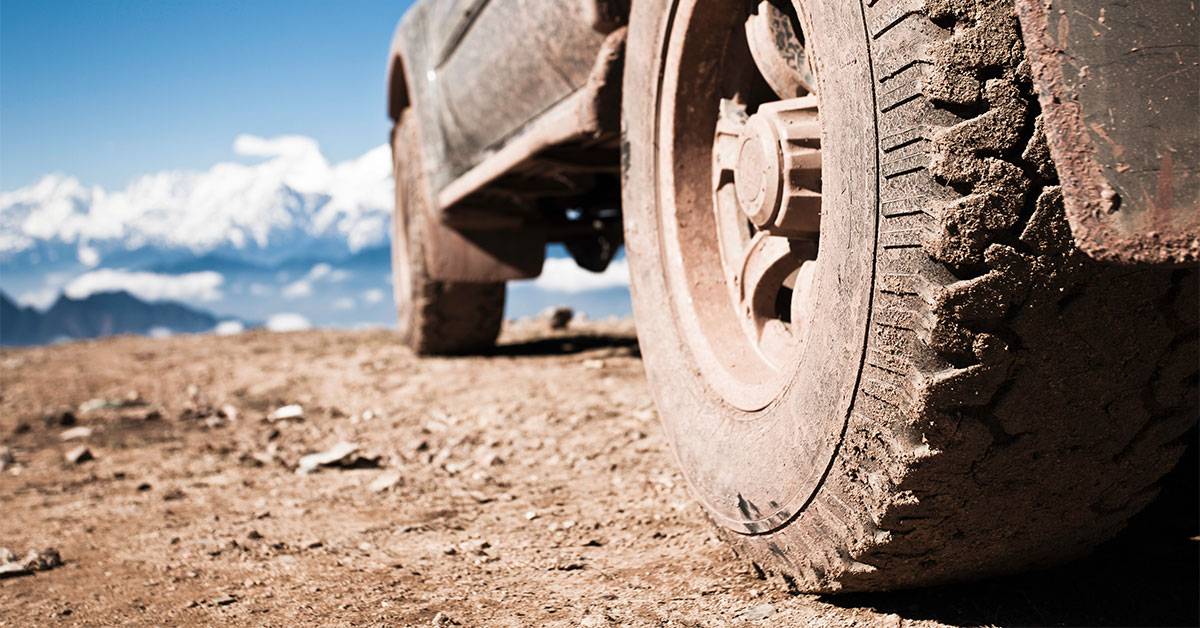
Uganda’s beauty lies not just in its destinations, but in the journey itself. Beyond the paved highways connecting major cities, a network of murram roads—compacted red earth tracks—wind through some of East Africa’s most spectacular landscapes. These rust-colored ribbons of adventure lead to hidden waterfalls, remote villages, and wilderness areas where few travelers venture. For 4×4 enthusiasts, Uganda’s murram tracks offer an unparalleled blend of challenge and reward.
Understanding Murram
Murram, derived from the Swahili word for laterite soil, is the lifeblood of rural Uganda. When dry, these roads present a deceptively smooth surface that can lull drivers into complacency. When wet, they transform into treacherous clay-slicked obstacles that have humbled even experienced off-roaders. The iron-rich soil that gives murram its distinctive red-orange hue becomes incredibly slippery during the rainy seasons, creating conditions where even gentle slopes become formidable challenges.

The key to mastering murram is understanding its dual nature. During Uganda’s dry seasons—roughly December to February and June to August—these tracks offer excellent traction and relatively straightforward passage. However, during the wet seasons, the same roads can become impassable quagmires overnight. A route that took two hours yesterday might require six hours today, with recovery operations and careful navigation through waterlogged sections.
Essential Vehicle Preparation
Success on Uganda’s murram tracks begins with proper vehicle preparation. While a basic 4×4 can handle many routes during dry conditions, serious exploration demands more robust equipment. High ground clearance is non-negotiable—many tracks feature deep ruts, embedded rocks, and water crossings that will challenge low-slung vehicles.
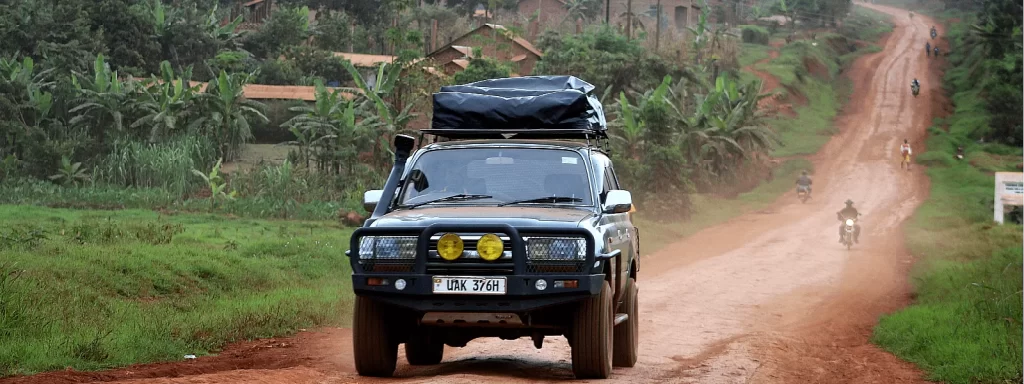
All-terrain tires with aggressive tread patterns provide crucial grip on slippery surfaces, though they should be properly inflated to prevent punctures from sharp rocks and thorns. A full-size spare tire is mandatory, but experienced travelers carry two. Remote tracks can be littered with debris, and finding tire repair services in rural areas isn’t guaranteed.
Recovery equipment saves the day when things go wrong. A high-lift jack, recovery boards, tow straps, and a winch transform potentially trip-ending situations into minor delays. Many experienced drivers also carry basic tools, spare fluids, and emergency supplies including water, food, and a comprehensive first-aid kit.
Notable Tracks Worth Conquering
The journey to Kidepo Valley National Park in Uganda’s remote northeast corner ranks among the country’s most epic 4×4 adventures. The final stretch from Kitgum involves hours of challenging murram through stunning savannah landscapes dotted with granite outcrops. The isolation and raw beauty make every bone-jarring kilometer worthwhile.
Western Uganda’s tracks through the Rwenzori foothills offer different challenges. Routes around Fort Portal and toward Semuliki National Park combine murram sections with forest tracks, river crossings, and steep mountain passes. The constantly changing terrain demands vigilance and adaptability.
In southwestern Uganda, the approach roads to Bwindi Impenetrable Forest and Mgahinga Gorilla National Park test both vehicle and driver. Steep gradients, sharp switchbacks, and frequently misty conditions create an environment where four-wheel drive and low-range gearing prove their worth.
Reading the Road
Experienced murram drivers develop an intuition for reading conditions ahead. Dark, wet-looking patches indicate recent rain and potentially treacherous surfaces. Deep ruts often hide sharp rocks or stumps that can damage undercarriages. Standing water might conceal anything from a shallow puddle to an axle-deep hole.
When approaching questionable sections, the old overlander’s maxim applies: when in doubt, walk it out. A three-minute reconnaissance on foot can prevent hours of recovery work. Look for the firmest line, identify potential trouble spots, and plan your approach before committing.
Momentum management is crucial. Too little speed on slippery climbs results in getting stuck; too much speed creates loss of control and potential damage. The goal is maintaining steady forward progress while retaining the ability to stop or change direction if needed.
Community and Conservation
Driving Uganda’s murram tracks means passing through communities where these roads serve as vital lifelines. Responsible travelers respect local customs, drive carefully through villages, and understand that they’re guests in someone’s home territory. Reducing speed near settlements prevents dust clouds that coat homes and crops, while also protecting children and livestock.
These tracks also access some of Uganda’s most important conservation areas. Staying on established routes, avoiding shortcuts through vegetation, and properly disposing of waste helps preserve the ecosystems that make these journeys worthwhile.
The Reward
The challenges of Uganda’s murram roads are precisely what makes them appealing. Each successful journey builds confidence and capability. The landscapes accessed by these tracks—pristine forests, sweeping savannahs, and mountain vistas—remain largely undiscovered by conventional tourism. For those willing to embrace the adventure, Uganda’s wildest tracks offer an authentic connection to one of Africa’s most beautiful countries, measured not in kilometers covered but in experiences gained and challenges overcome.
Planning to adventure Uganda and require a strong and reliable 4×4 rental vehicle- simply contact us now by sending an email to info@ugandacarrentaldeal.com or call us now on +256-700135510 to speak with the reservations team.