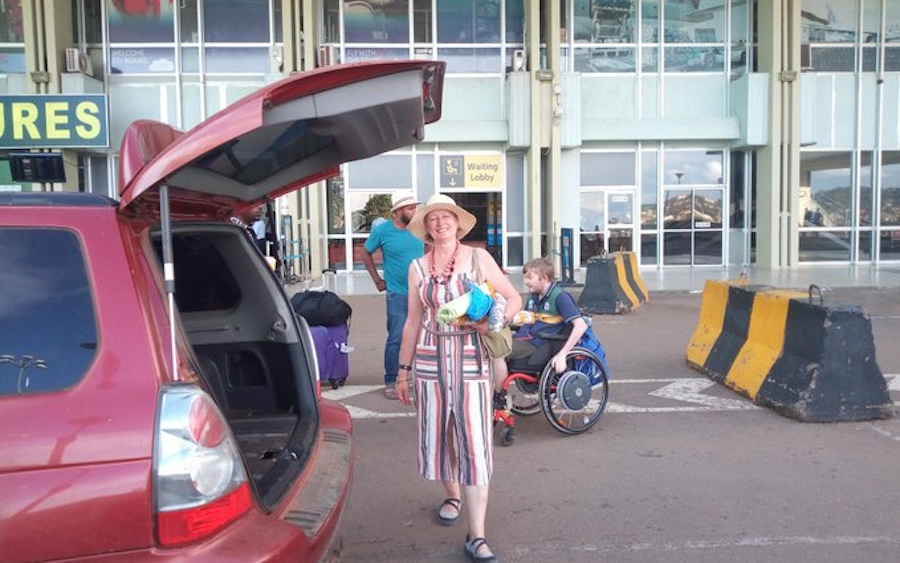
Uganda is compact on the map but slow on the road. A journey that looks short can take most of a day once you factor in Kampala traffic, trucks on single-carriageway highways, market towns and the odd downpour. That is why intercity transfers in Uganda deserve real planning. The right choice saves hours, protects your budget and gets you to your gorilla permit, boat safari or flight on time.
This guide covers every realistic way to move between Uganda’s towns and national parks: private driver transfers, shared shuttles, public buses, domestic flights and self-drive. It also gives you typical travel times, safety advice and a booking checklist for choosing a provider you can trust.
Why Intercity Transfers in Uganda Need Planning
Before comparing options, it helps to understand what makes Ugandan roads different from what many visitors are used to.
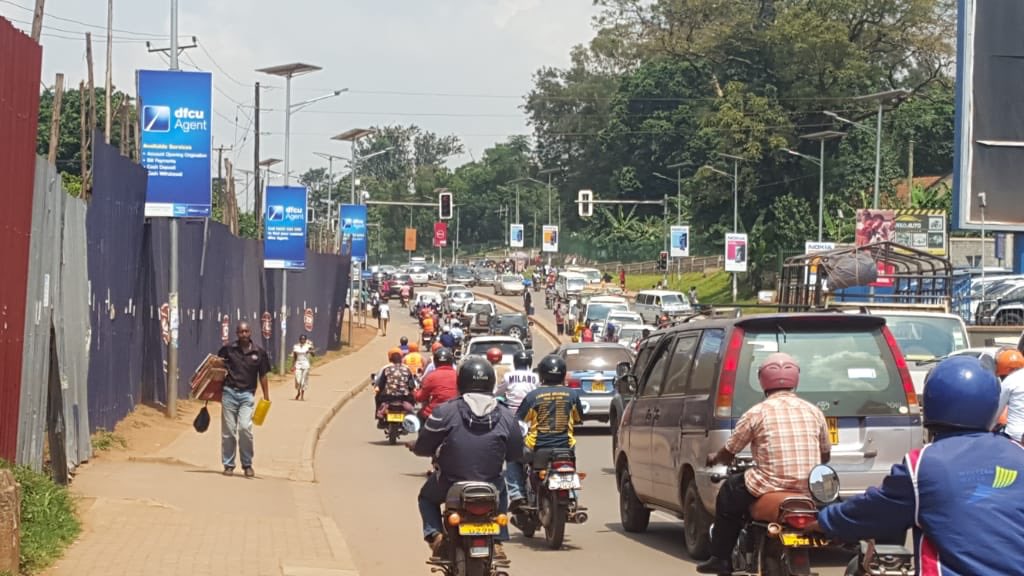
- Kampala congestion. Getting in or out of the capital can take one to three hours at peak times, regardless of your destination.
- Mixed traffic. Trucks, buses, boda-bodas (motorcycle taxis), cyclists, pedestrians and livestock share the same roads, so average speeds are lower than the distance suggests.
- Speed bumps and roadworks. Towns have frequent bumps, and construction can cause delays on major corridors.
- Rain. Paved highways handle it well, but the murram (dirt) roads to many parks can become slick and slow.
- Daylight. Driving after dark is tiring and risky because of poorly lit roads and unlit vehicles and pedestrians, so most good operators avoid it.
Build buffer time into every plan, especially before flights or trek briefings.
Typical Travel Times From Kampala
These are realistic estimates for a private vehicle without long stops. Conditions vary, so treat them as planning figures.
| Route | Approx. distance | Typical drive time |
|---|---|---|
| Entebbe Airport to Kampala | 40 km | 1 to 2 hours (traffic dependent) |
| Kampala to Jinja | 80 to 90 km | 2 to 3 hours |
| Kampala to Mbale (Sipi Falls area) | 230 to 250 km | 4.5 to 5.5 hours |
| Kampala to Masindi | 210 km | 3.5 to 4.5 hours |
| Kampala to Murchison Falls (Paraa area) | 300 to 350 km | 6 to 8 hours |
| Kampala to Fort Portal | 290 to 320 km | 5 to 6 hours |
| Kampala to Kibale Forest (chimp trekking) | 320 to 340 km | 5.5 to 6.5 hours |
| Kampala to Lake Mburo | 230 to 250 km | 4 to 4.5 hours |
| Kampala to Mbarara | 270 km | 4 to 5 hours |
| Kampala to Queen Elizabeth NP | 380 to 420 km | 6.5 to 8 hours |
| Kampala to Bwindi (Buhoma, Rushaga, Ruhija) | 450 to 550 km | 8 to 10 hours |
| Kampala to Kisoro / Mgahinga | 500 to 520 km | 9 to 10 hours |
| Kampala to Kidepo Valley | 560 to 600 km | 10 to 12+ hours |
Distances and times vary by route and season, so confirm with your provider.
Your Main Options for Intercity Transfers in Uganda
1. Private Driver Transfers
Best for: couples, families, small groups, first-time visitors and anyone on a tight schedule.
A private transfer means a vehicle and driver dedicated to you, leaving when you want and stopping where you like.

Pros
- Door-to-door service, including airport and hotel pick-ups
- Flexible timing, with stops for photos, meals and viewpoints
- Local knowledge of road conditions, weather and traffic
- Comfortable for long drives, with space for luggage
- Most secure and predictable option for connecting to flights or park check-ins
Cons
- More expensive per person than buses or shuttles for solo travelers
- Quality varies by operator, so vetting matters (see the checklist below)
Typical vehicles:
- Saloon car or sedan: budget-friendly for paved routes and city transfers
- Toyota RAV4 or similar SUV: comfortable for couples on main highways
- Toyota Land Cruiser Prado: capable and comfortable for small groups on mixed roads
- Safari Land Cruiser with pop-up roof: ideal for groups, rough park roads and wildlife viewing on the way
- Minivan or Coaster bus: for larger groups and events
2. Shared Shuttles
Best for: solo travelers and budget-conscious visitors on popular routes.
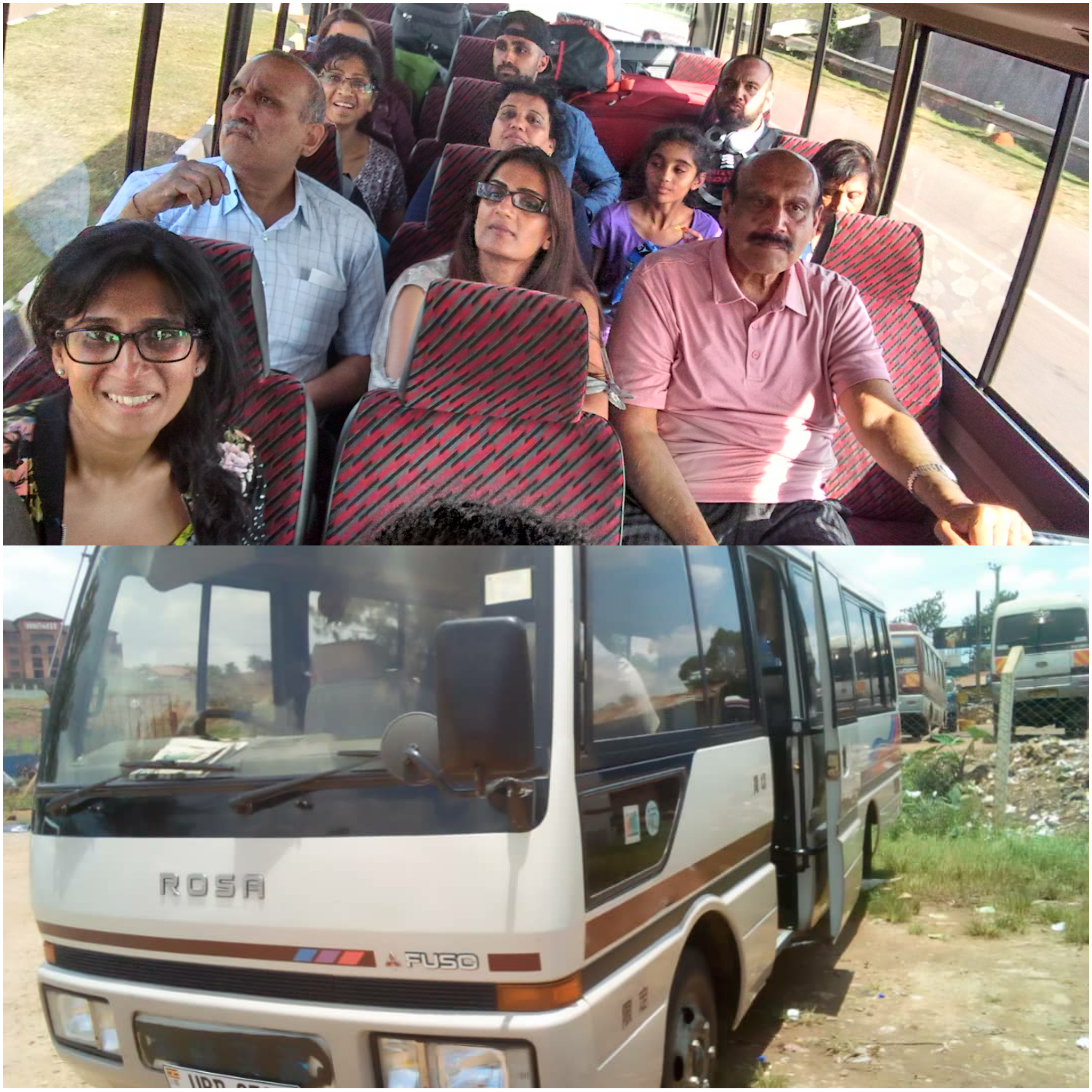
Shared shuttles run on set routes and schedules, carrying several passengers in a minivan.
Pros
- Lower cost per person than a private driver
- More comfortable and predictable than public buses
- Good for common corridors such as Kampala to Jinja, Kampala to Fort Portal or Entebbe to Kampala
Cons
- Fixed departure times and pick-up points
- Fewer routes, and some destinations (remote parks) are not served
- Less flexibility on stops and luggage space
Availability changes, so confirm current schedules and routes directly with the operator.
3. Public Buses and Coaches
Best for: experienced, budget-focused travelers who are flexible on time.
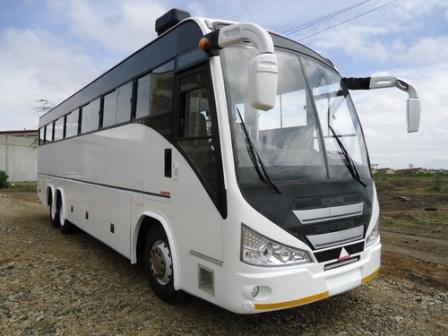
Uganda has a network of intercity coach companies running from Kampala to major towns such as Jinja, Mbale, Gulu, Fort Portal, Mbarara, Kabale and Kisoro.
Pros
- The cheapest way to cover long distances
- Frequent departures on major routes
- A genuine local experience
Cons
- Slower, with many stops
- Crowded at peak times, with limited luggage space
- They generally drop you in town, not at a park gate or lodge, so you still need onward transport
- Schedules and standards vary by company
If you go this route, choose established companies, book seats where possible, keep valuables close and avoid overnight or late-arriving journeys where possible.
4. Domestic Flights
Best for: long distances to remote parks, and travelers short on time.
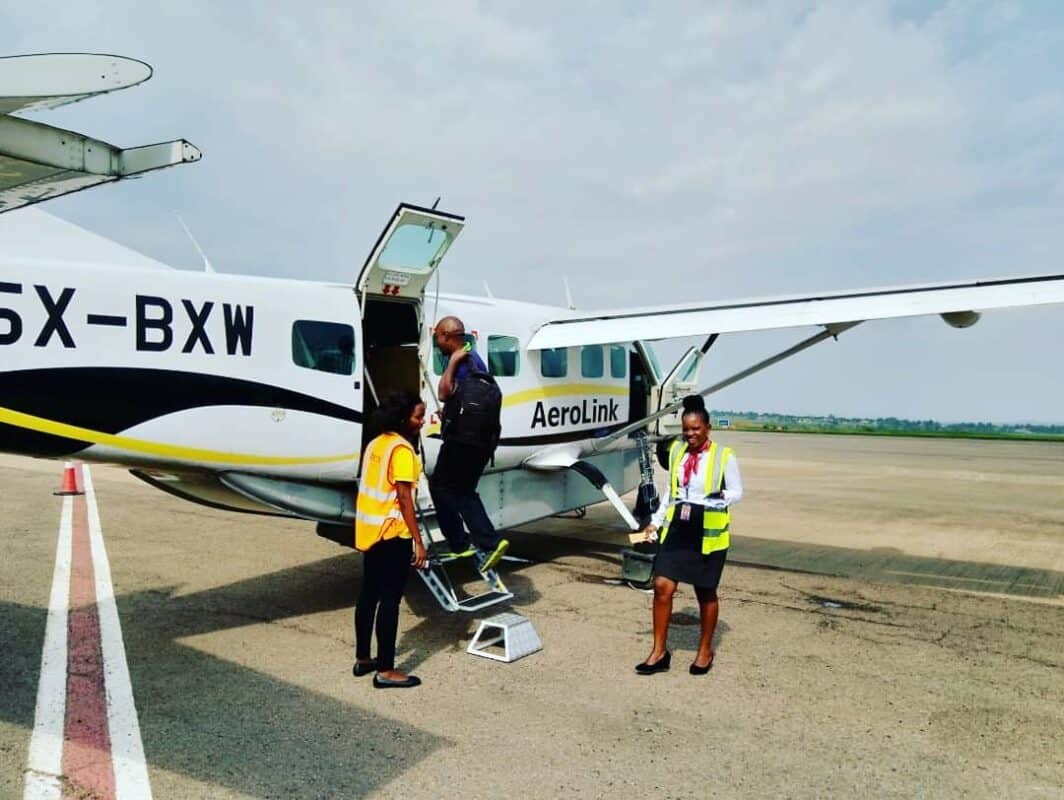
A small number of airlines operate scheduled and charter flights from Entebbe International Airport and Kajjansi Airfield to airstrips near key parks, such as Kihihi or Kisoro (for Bwindi and Mgahinga), Kasese, Pakuba and Kidepo.
Pros
- Turns a 9 to 12 hour drive into roughly an hour or so in the air
- Spectacular views of the landscape
- Reduces fatigue before a trek
Cons
- Considerably more expensive than road travel
- Strict luggage limits (usually soft bags only) and weather-dependent schedules
- You still need a ground transfer from the airstrip to your lodge
Flights are worth considering for gorilla trekking or Kidepo when time matters more than budget. Always check current schedules, baggage rules and airfields, because they change.
5. Self-Drive
Best for: confident, experienced drivers who want full independence.
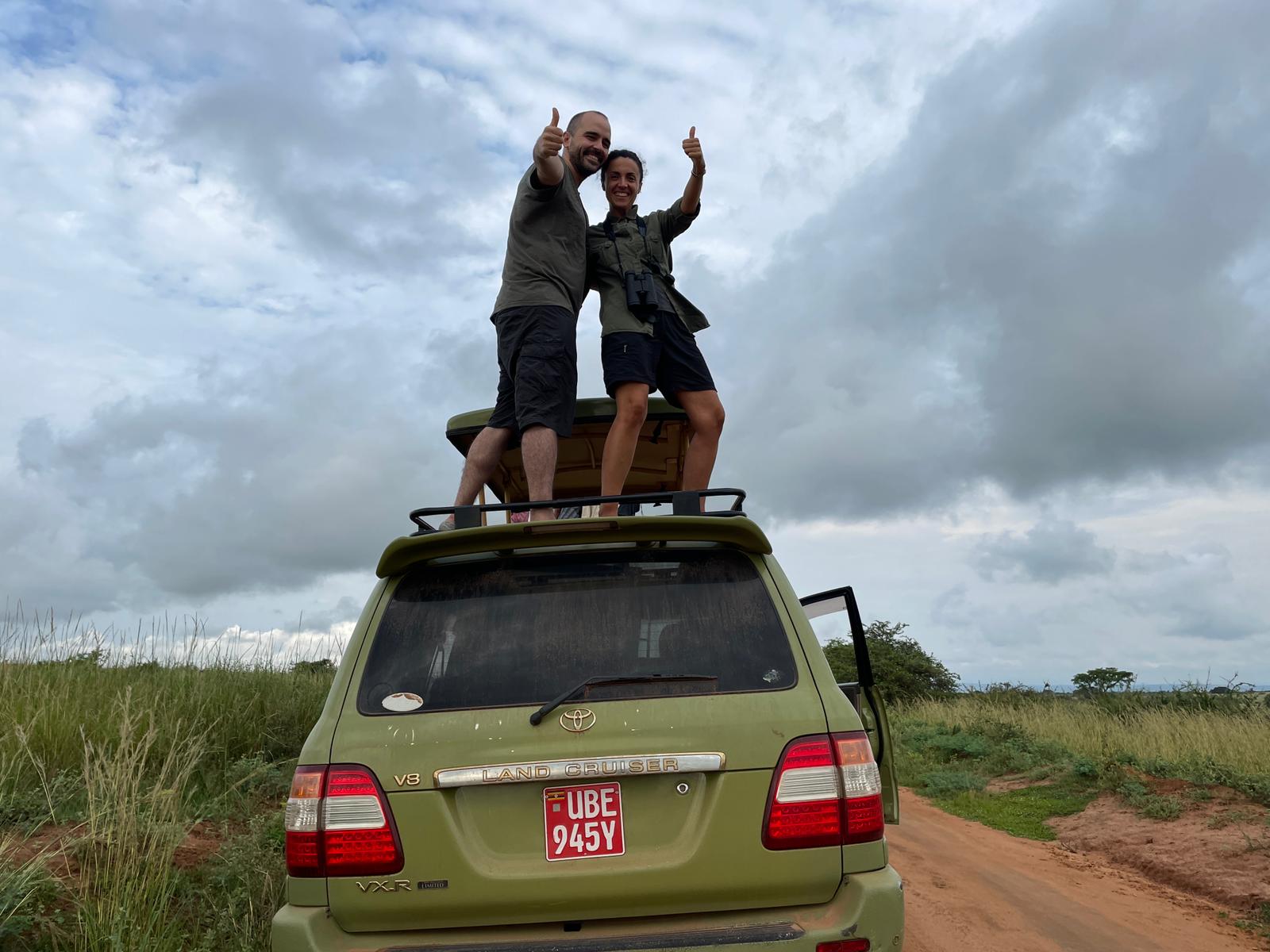
Self-drive gives you total freedom, and some visitors combine it with a rooftop-tent setup for a camping adventure.
Pros
- Complete flexibility and privacy
- Can be cost-effective for groups sharing one vehicle
Cons
- Demanding driving conditions and unfamiliar road rules
- You carry the responsibility for navigation, breakdowns and fatigue
- Insurance and rental terms may restrict off-road or night driving
- Not recommended for nervous drivers or those new to African roads
If you self-drive, choose a 4×4 with good ground clearance for park roads, download offline maps and avoid night driving.
6. Ride-Hailing and Local Transport (Within Cities)
Apps like Uber, Bolt and SafeBoda are useful for getting around Kampala and Entebbe. Boda-bodas are fast in traffic but riskier and unsuitable for luggage or long distances. For anything between towns, use one of the options above.
Comparing Your Options at a Glance
| Factor | Private driver | Shared shuttle | Public bus | Domestic flight | Self-drive |
|---|---|---|---|---|---|
| Cost | Mid to high | Low to mid | Lowest | Highest | Varies |
| Comfort | High | Good | Basic | High | Depends on vehicle |
| Flexibility | Highest | Low | Low | Low | High |
| Door-to-door | Yes | Sometimes | No | No | Yes |
| Speed | Good | Moderate | Slowest | Fastest | Good |
| Best for | Most travelers | Solo, budget | Budget, adventurous | Long distances | Experienced drivers |
Choosing the Right Vehicle for Your Transfer
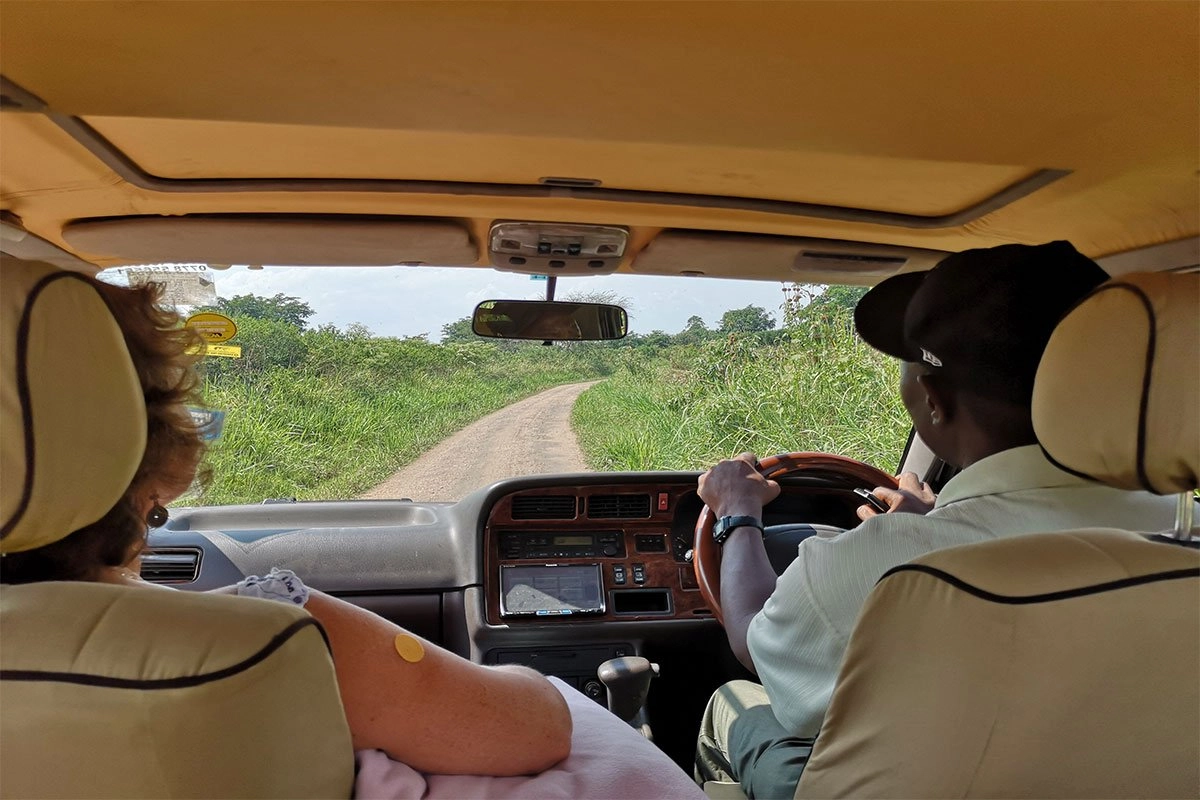
- RAV4 or similar SUV: couples and solo travelers on paved main routes in the dry season.
- Prado (Land Cruiser Prado): comfort and capability for families and small groups, including mixed and moderately rough roads.
- Safari Land Cruiser with pop-up roof: groups of four to six, park roads, wet-season travel and trips combining transfers with game viewing.
- Minivan or Coaster: larger groups and school, corporate or event travel.
If you are heading to a park with rough final roads, such as Bwindi’s southern sectors, favor a 4×4 with high clearance and a driver who knows the route.
Sample Routes and Transfer Ideas
Entebbe airport to Kampala or Jinja
Short, but plan for traffic. A pre-booked driver waiting at arrivals saves stress after a long flight.
Kampala to Murchison Falls
A long day of 6 to 8 hours. Many travelers break the journey at Masindi or visit Ziwa Rhino Sanctuary on the way.
Kampala to Fort Portal and Kibale
A scenic route through tea plantations, ideal for chimpanzee trekking. Plan an early start.
Kampala to Queen Elizabeth National Park
Often combined with a stop at the Equator crossing and a stay near Kasese or Mweya.
Kampala to Bwindi
The longest of the common routes at 8 to 10 hours. Many travelers split it with an overnight at Lake Mburo, Mbarara or Kabale, or fly to a nearby airstrip.
Bwindi to Queen Elizabeth (Ishasha sector)
A popular loop offering a chance to see tree-climbing lions on the way.
How to Choose a Reliable Transfer Provider
The provider matters as much as the vehicle. Before you book, check:

- Registration and licensing. Is the company a registered business, and is it a member of a recognized industry body such as the Association of Uganda Tour Operators (AUTO)?
- Vehicle condition. Ask for recent photos, the vehicle type and age, and confirm it has working seatbelts, air conditioning and a spare tyre.
- Insurance. Confirm passenger and vehicle insurance.
- Driver experience. Ask whether the driver is English-speaking, licensed and familiar with your route.
- Clear pricing. Get a written quote showing what is included: fuel, driver’s accommodation, parking, road tolls and waiting time.
- Reviews and references. Look for recent, independent reviews on platforms like TripAdvisor and Google, and ask for past client references.
- Communication. A reliable operator responds quickly and confirms details in writing.
- Flexibility and cancellation terms. Understand what happens if your flight is delayed or your plans change.
- Emergency support. Ask who you call if there is a breakdown or an issue on the road.
Beware of unusually low quotes, requests for large upfront payments to personal accounts with no paperwork, and vague answers about vehicles and insurance.
Safety Tips for Traveling Between Cities in Uganda
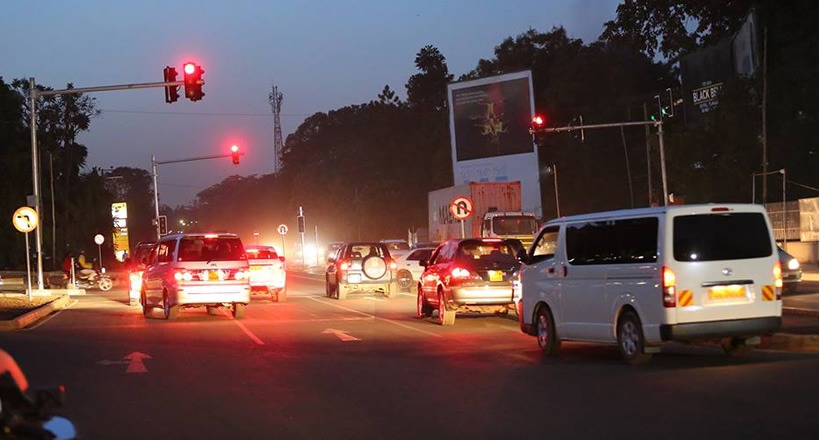
- Avoid night driving wherever possible.
- Use seatbelts in every seat, and ask your driver to respect speed limits.
- Keep valuables discreet and close to you, especially on buses and in towns.
- Carry copies of your documents (passport, visa, permits and booking confirmations).
- Keep small cash for fuel stops, snacks and tips, since card machines are unreliable in rural areas.
- Stay hydrated and pack snacks for long stretches between towns.
- Share your itinerary with your accommodation or a contact at home.
- Check travel advisories and local conditions before long journeys.
- Consider travel insurance that covers medical evacuation and trip disruption.
Practical Booking Tips
- Book early in peak season. July to September and December to February are busy for gorilla permits, lodges and good drivers.
- Pre-book airport pick-ups. Have your driver’s name and number before you land.
- Confirm pick-up times the day before, especially for early starts.
- Allow buffer time before flights and trek briefings; never schedule tight connections.
- Split very long routes with an overnight stop where you can.
- Clarify luggage limits, particularly for domestic flights and shared shuttles.
- Ask about extras, such as child seats, Wi-Fi, bottled water and charging ports.
- Get everything in writing: price, inclusions, vehicle type and cancellation policy.
Frequently Asked Questions
What are the best intercity transfers in Uganda for tourists?
For most visitors, a private driver in a well-maintained vehicle is the most reliable and flexible option. Shared shuttles suit solo budget travelers on popular routes, and domestic flights are best for long distances to remote parks.
How long does it take to travel between Kampala and the national parks?
It ranges from roughly 4 hours to Lake Mburo to 8 to 10 hours for Bwindi and 10 to 12 hours or more for Kidepo, depending on traffic, roads and stops.
Is it safe to travel between cities in Uganda?
Millions of people do it every year, but road conditions and driving standards require care. Use a reputable operator, avoid night driving and wear seatbelts.
Should I self-drive or hire a driver?
If you are inexperienced with African roads, a driver-guide is safer and less stressful. Self-drive suits confident, well-prepared travelers with a proper 4×4 and offline maps.
Are there shared shuttles between Kampala and the parks?
There are shuttles on some popular corridors, but coverage is limited compared with private transfers. Confirm current routes and schedules with the provider.
Can I take a bus to a national park?
Buses will get you to nearby towns, but you will usually need a private or lodge-arranged transfer for the final leg to the park gate.
Do domestic flights in Uganda save time?
Yes, a flight of around an hour can replace a 9 to 12 hour drive, but it costs more and you still need a ground transfer at the other end.
How far in advance should I book transfers?
As early as possible in peak seasons, and at least a few days ahead otherwise. Airport pick-ups and long-distance private transfers should be confirmed before you travel.
Final Thoughts
Reliable intercity transfers in Uganda come down to matching the transport to your priorities. A private driver offers the best mix of comfort, safety and flexibility for most visitors. Shuttles and buses stretch a tight budget on the main routes, and flights save hours when you’re heading for the far corners of the country. Whatever you choose, vet your provider, allow generous buffer time and put every detail in writing.
Get the transfers right, and the rest of your Uganda trip, from gorillas to chimps to the Nile, runs a lot more smoothly. To book an intercityb transfer to or from Kampala- simply contact us now by sending an email to info@ugandacarrentaldeal.com or call us on +256-7779232316.