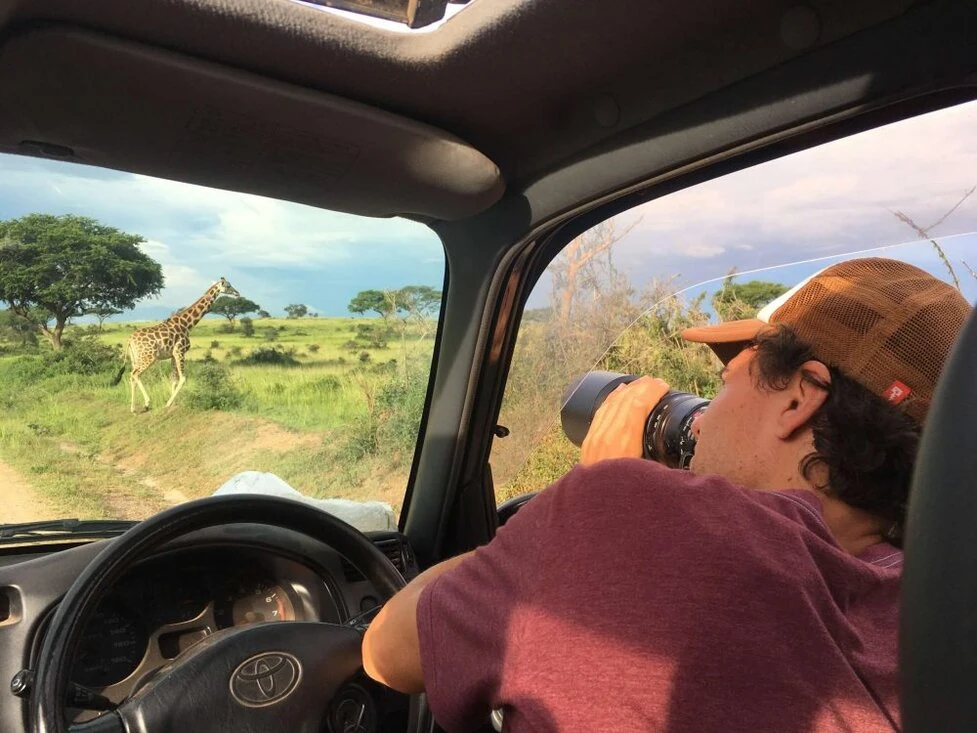
The cost of self drive safari in Uganda is one of the most misunderstood topics among travelers planning their first adventure in the Pearl of Africa. Many visitors assume that renting a car and hitting the road is as simple as paying a daily rate and buying fuel. But Uganda’s safari landscape is layered, unpredictable, and full of small details that shape the final cost of your journey. Understanding these realities is the difference between a smooth, affordable adventure and a stressful, overpriced experience.
A self‑drive safari is freedom. It is the thrill of choosing your own pace, stopping where you want, discovering hidden corners of the country, and experiencing Uganda in its raw, authentic form. But freedom comes with responsibility, and responsibility comes with costs that most travelers never see until they are already deep into their trip. This article breaks down those costs honestly, transparently, and with the kind of depth only a local operator can provide.
The True Price of the Vehicle
The first and most obvious part of the cost of self drive safari in Uganda is the rental fee. But even this is not as straightforward as it seems. Uganda’s terrain is diverse, and the vehicle you choose determines not only your comfort but also your total expenses. A Toyota RAV4 may be cheaper per day, but it consumes more fuel on rough terrain than a diesel Land Cruiser Prado. A Safari Van may look expensive, but it saves money when traveling as a group.
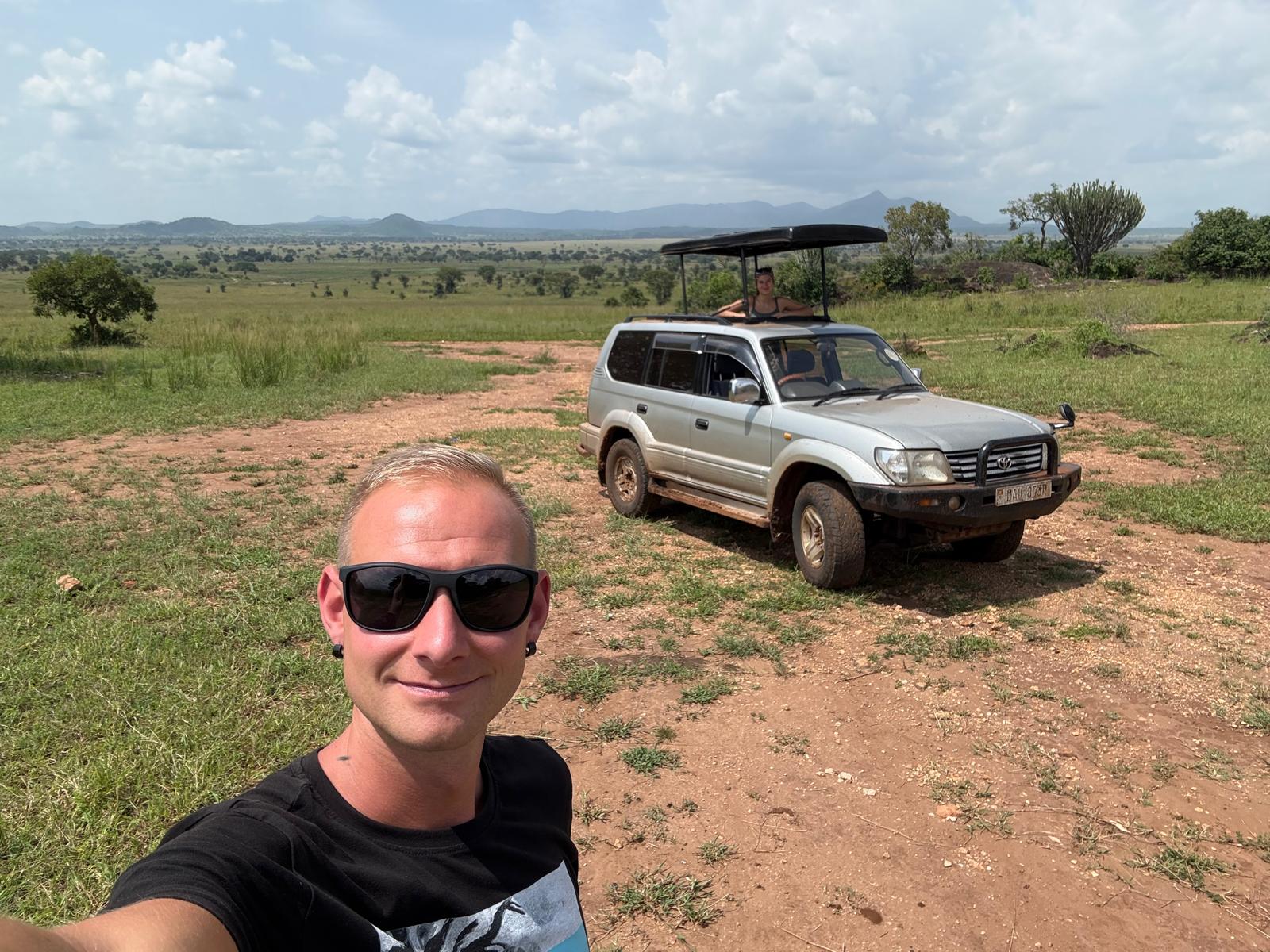
The rental price also changes depending on the season. During peak months—June to September and December to February—demand rises sharply, and so do prices. Travelers who book early often secure better deals, while last‑minute bookings can be significantly more expensive. Some companies include insurance in the daily rate, while others charge it separately. Understanding what is included and what is not is essential before confirming your booking.
Fuel Consumption: The Silent Cost
Fuel is the heartbeat of any self‑drive safari. Uganda’s national parks are vast, and distances between attractions can be longer than expected. A traveler who plans to visit Murchison Falls, Queen Elizabeth, Bwindi, and Lake Mburo in one trip should expect fuel to become one of the largest expenses.
Diesel vehicles are more economical, especially on long routes and rough terrain. Petrol vehicles consume more, particularly when climbing hills or navigating muddy tracks. The cost of fuel also varies depending on location. Stations inside or near national parks often charge slightly higher prices than those in major towns. A traveler who fills up in Kampala or Entebbe before heading out usually saves money.
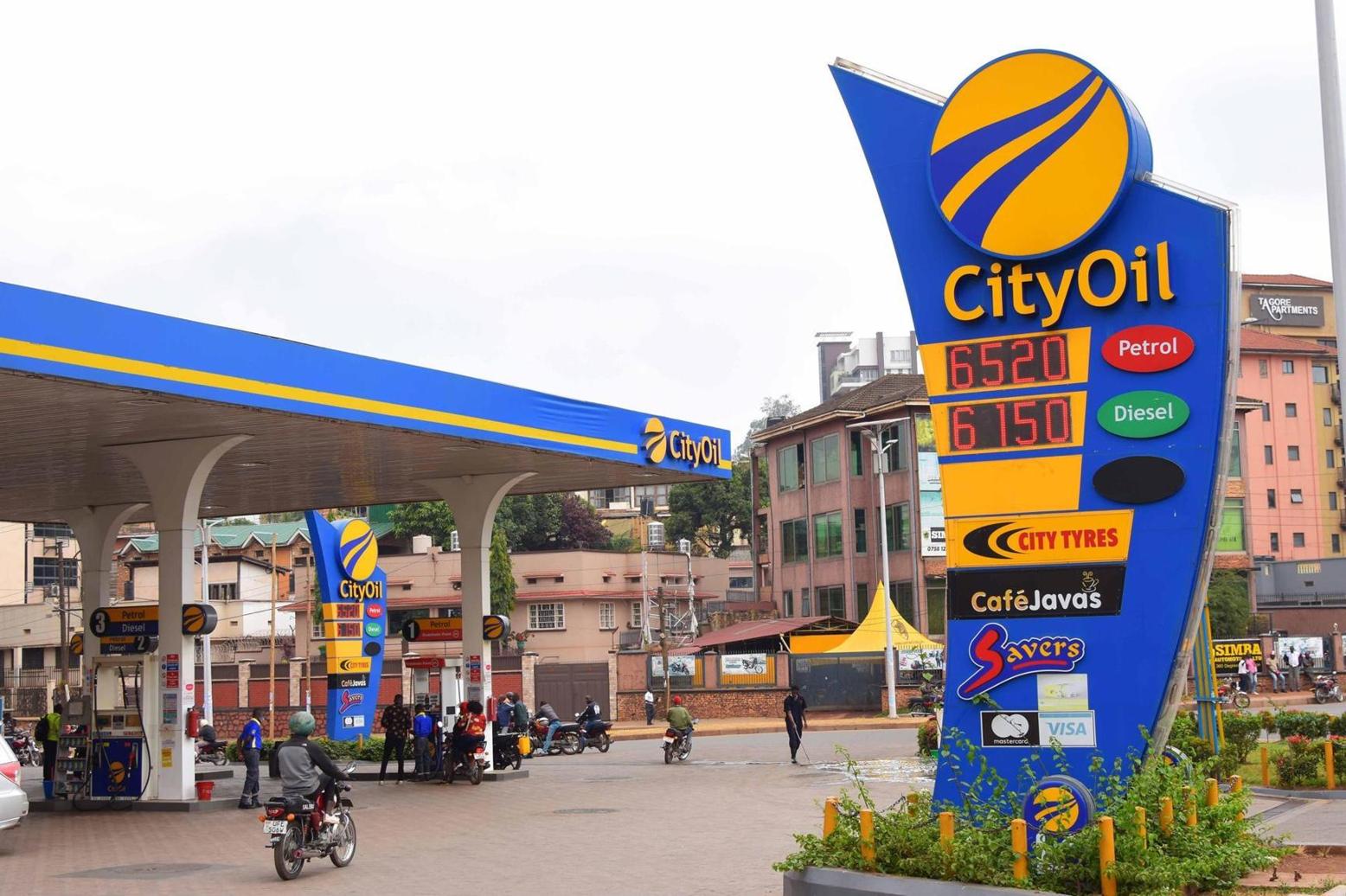
Fuel consumption also depends on driving style. Aggressive acceleration, high speeds on gravel roads, and unnecessary idling all increase consumption. A calm, steady pace not only saves fuel but also protects the vehicle from damage.
Park Entry Fees and Vehicle Charges
Uganda’s national parks are beautiful, but they are not free. Every traveler must pay entry fees, and every vehicle must pay a separate charge. These fees vary from park to park, and they can add up quickly on multi‑park itineraries.
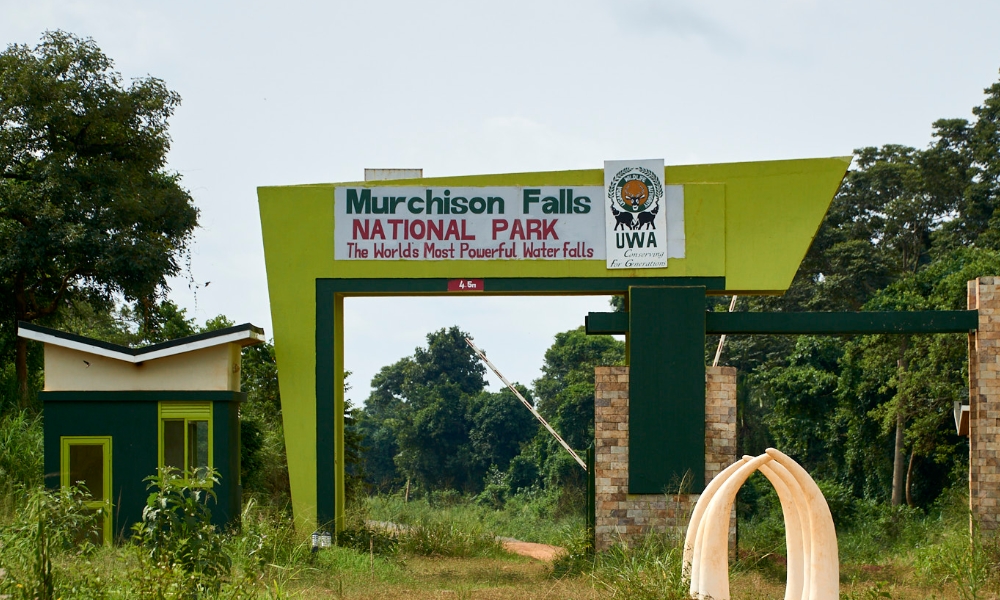
For example, Murchison Falls National Park charges both per person and per vehicle. Queen Elizabeth National Park does the same. Bwindi Impenetrable National Park, famous for gorilla trekking, has its own fee structure. Travelers who plan to visit several parks should calculate these charges in advance to avoid surprises.
Some parks also charge extra for night drives, guided walks, or special activities. These optional experiences enrich your safari but also increase the total cost. Understanding the full fee structure helps travelers plan realistically and avoid overspending.
Road Conditions and Unexpected Expenses
Uganda’s roads are unpredictable. A route that looks smooth on Google Maps may turn into a muddy challenge after a night of rain. Gravel roads can be rough, and potholes can appear suddenly. These conditions affect the cost of self drive safari in Uganda in several ways.
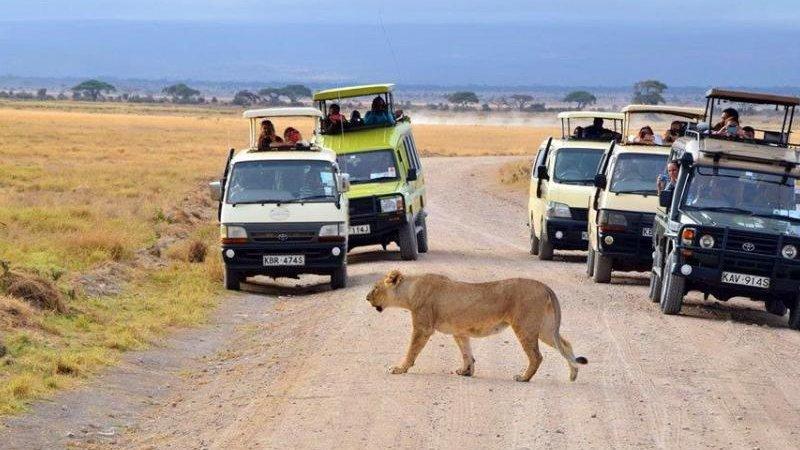
First, rough roads increase fuel consumption. Second, they increase the risk of minor vehicle damage—punctures, scratches, broken lights, or damaged shock absorbers. While reputable rental companies provide well‑maintained vehicles, travelers must still drive carefully to avoid unnecessary expenses.
Unexpected costs may also arise from roadblocks, detours, or delays caused by weather. A traveler who gets stuck in a remote area may need assistance, which can come with a fee depending on distance and time. Planning routes carefully and avoiding risky shortcuts helps reduce these risks.
Insurance and Security Deposits
Insurance is another key part of the total cost. Most companies offer comprehensive insurance, but it does not cover everything. Windscreens, tires, and under‑body damage are often excluded. Travelers should read the insurance policy carefully and ask questions before starting their journey.
Security deposits are also common. These deposits protect the rental company in case of damage or loss. They are usually refunded at the end of the trip, but only if the vehicle is returned in good condition. Understanding the deposit rules helps travelers avoid misunderstandings.
Accommodation and Meals
While not directly related to the vehicle, accommodation and meals are part of the overall safari cost. Travelers who choose lodges inside national parks pay more than those who stay outside. Campsites are cheaper but require more preparation. Meals inside parks are often more expensive due to transportation costs.
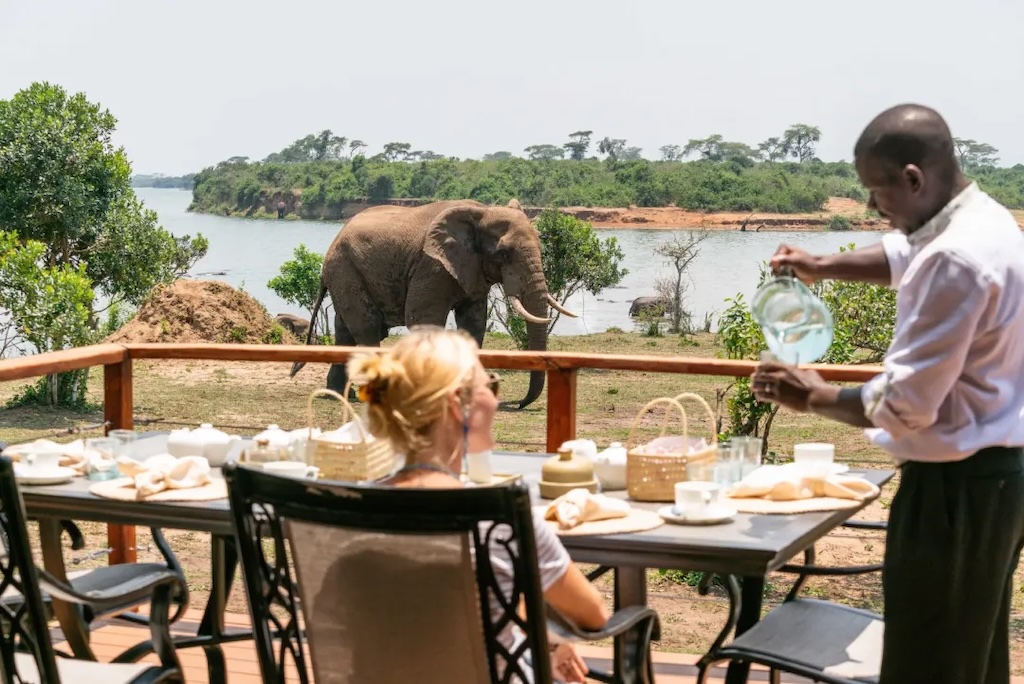
Planning accommodation in advance helps control expenses. Many travelers combine mid‑range lodges with budget options to balance comfort and cost. Self‑drive safaris offer flexibility, allowing travelers to choose where to stay based on their budget.
Smart Savings Every Traveler Should Know
The cost of self drive safari in Uganda can be significantly reduced with smart planning. Booking early, choosing the right vehicle, driving carefully, and avoiding unnecessary detours all help lower expenses. Filling up fuel in major towns, carrying snacks and water, and selecting affordable lodges also make a big difference.
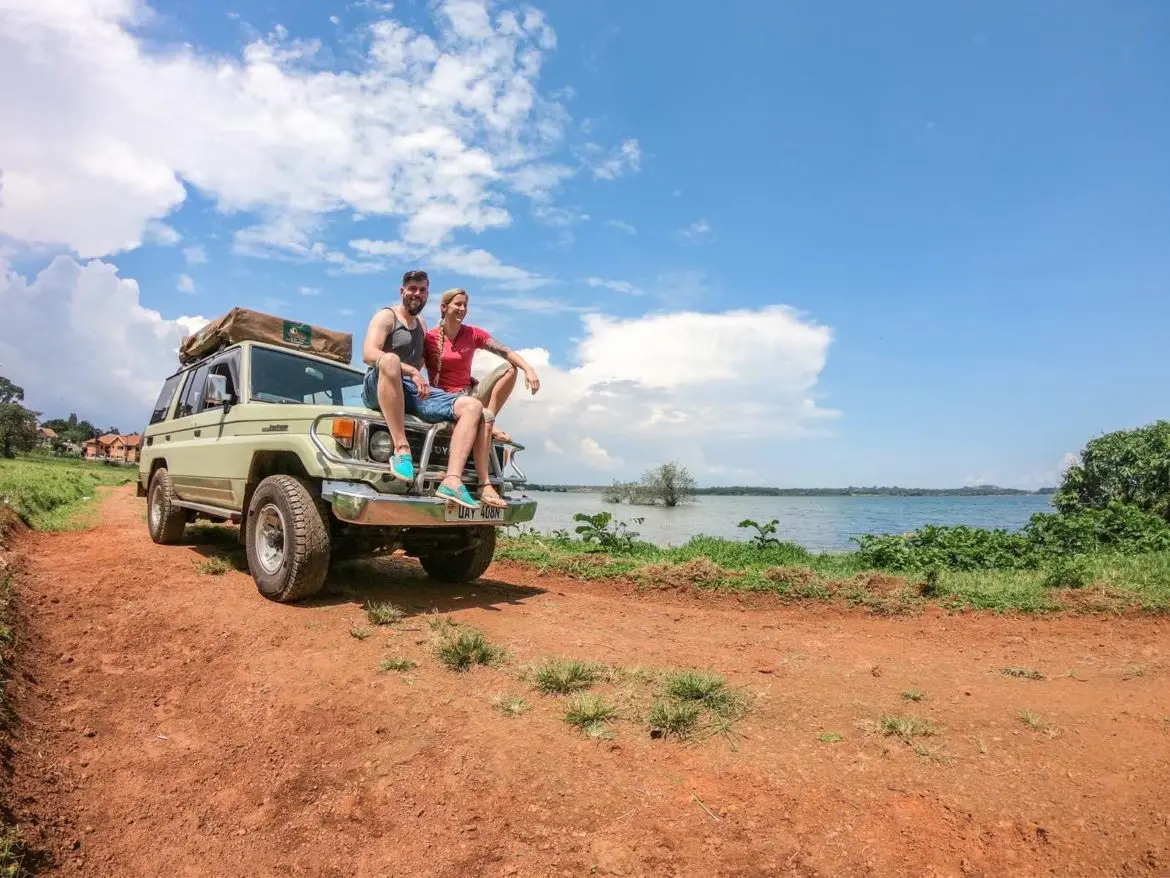
Travelers should also consider traveling during shoulder seasons—March to May and October to November. Prices are lower, parks are less crowded, and the experience is still beautiful. Another smart saving is sharing the vehicle with friends or family. A Safari Van may seem expensive, but when divided among several travelers, it becomes one of the most affordable options.
Finally, choosing a reputable rental company is the most important saving of all. A cheap vehicle from an unreliable operator may break down, leading to huge unexpected costs. A well‑maintained vehicle from a trusted company ensures safety, reliability, and peace of mind.
Final Thoughts
A self‑drive safari in Uganda is one of the most rewarding travel experiences in East Africa. It offers freedom, adventure, and a deep connection to the country’s landscapes and wildlife. But understanding the true cost of self drive safari in Uganda is essential for planning a smooth, enjoyable journey.
When travelers know what to expect—fuel, park fees, insurance, road realities, and smart savings—they make better decisions and enjoy their safari without stress. Uganda is a land of beauty, and with the right preparation, your self‑drive adventure becomes a story worth telling for years.
To book a rental car for self drive safari in Uganda- simply contact us now by sending an email to info@ugandacarrentaldeal.com or call us now on +256-779232316.