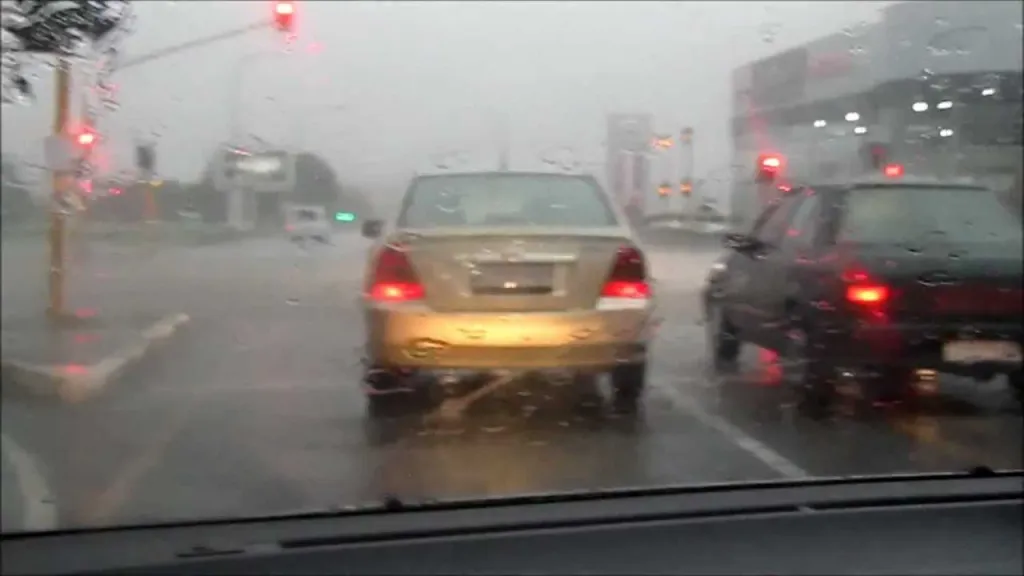
Uganda is green for a reason. Twice a year the rains arrive, turning hills into emerald walls, filling waterfalls and turning dusty park tracks into slick red mud. It can be a beautiful time to visit, with fewer crowds and lush scenery, but it changes how you should plan your transport. When it comes to renting cars for Uganda’s rainy season, the vehicle you choose, the insurance you buy and the way you drive matter far more than they do in the dry months.
This guide covers everything you need to know, from picking the right 4×4 car in Uganda to handling flooded roads and avoiding costly surprises at drop-off.
Understanding Uganda’s Rainy Seasons
Uganda has two main wet seasons: the long rains from roughly March to May and the short rains from about September to November. Because the country sits on the equator, rain can also fall outside these windows, especially in the west near Bwindi, Rwenzori and Kibale, where showers are common year-round.
Rain usually arrives in heavy afternoon downpours rather than all-day drizzle, so mornings are often clear. That pattern helps your planning: start early, drive the difficult stretches before midday and aim to be settled by mid-afternoon.
Why Renting Cars for Uganda’s Rainy Season Requires Extra Care
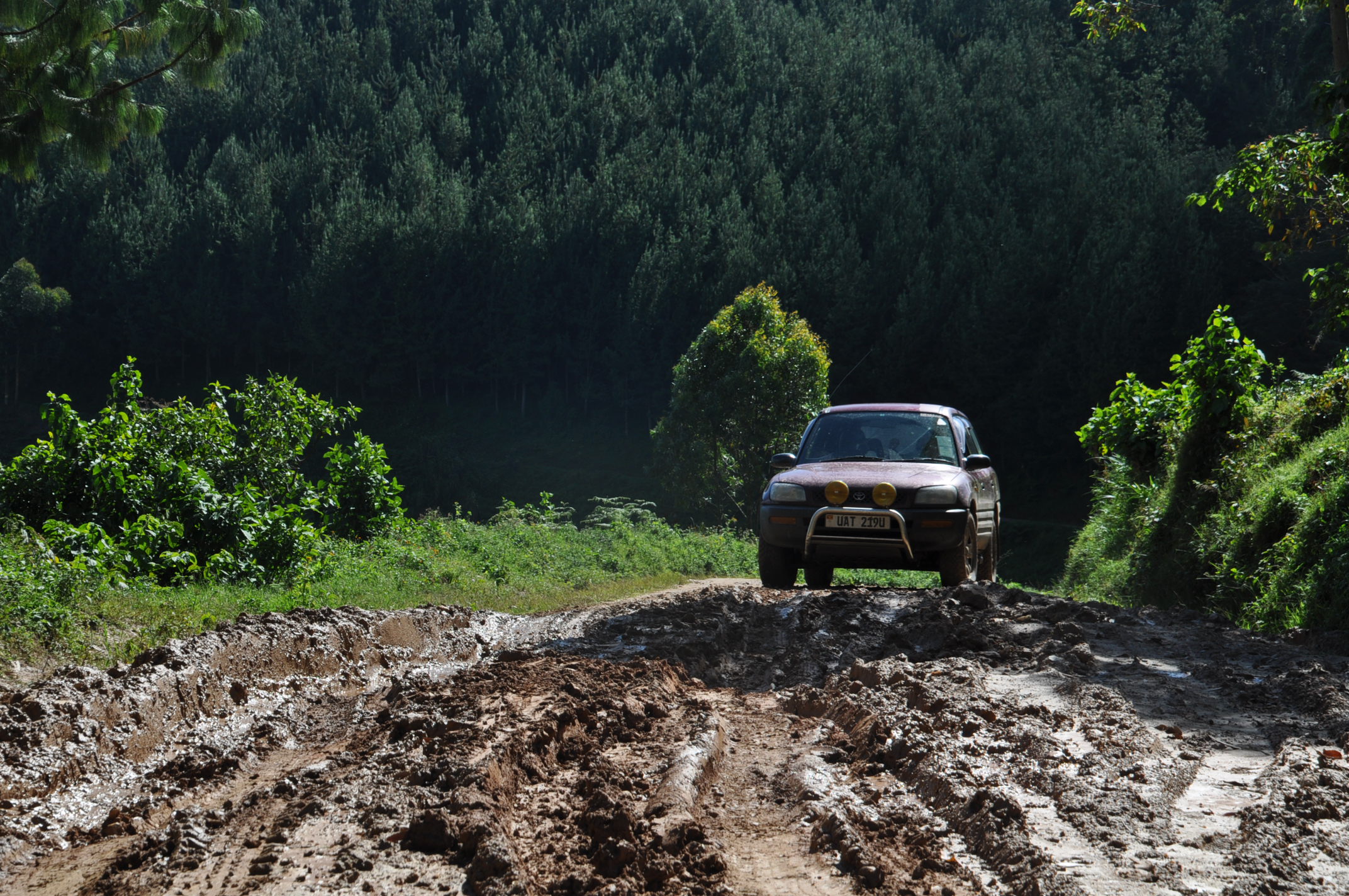
In the dry season, many main roads are straightforward. In the rains, conditions change quickly. Murram (gravel) roads become slippery, potholes fill with water and hide their depth, and low-lying sections can flood. Mountain roads in the southwest can have landslides or washouts, and park tracks may become impassable to vehicles without proper clearance and traction.
That’s why renting cars for Uganda’s rainy season is not just a question of price. A cheap saloon car that copes fine on the Kampala–Entebbe highway can get stuck within minutes on a wet track to a gorilla trekking trailhead.
Choosing the Right Vehicle for Renting Cars in the Rainy Season
4×4 Is the Safe Default
For any trip involving national parks, rural roads or the southwest, a genuine 4×4 with high ground clearance is the safest choice. Popular options include:
- Toyota Land Cruiser (Prado or V8): Comfortable, powerful and well suited to rough terrain. This is the classic safari choice.
- Toyota Hilux double cab: A rugged pickup that handles mud well and is common with local operators.
- Safari van (Toyota Hiace with pop-up roof): Good for groups and wildlife viewing, but usually two-wheel drive, so it is better for main roads and drier routes.
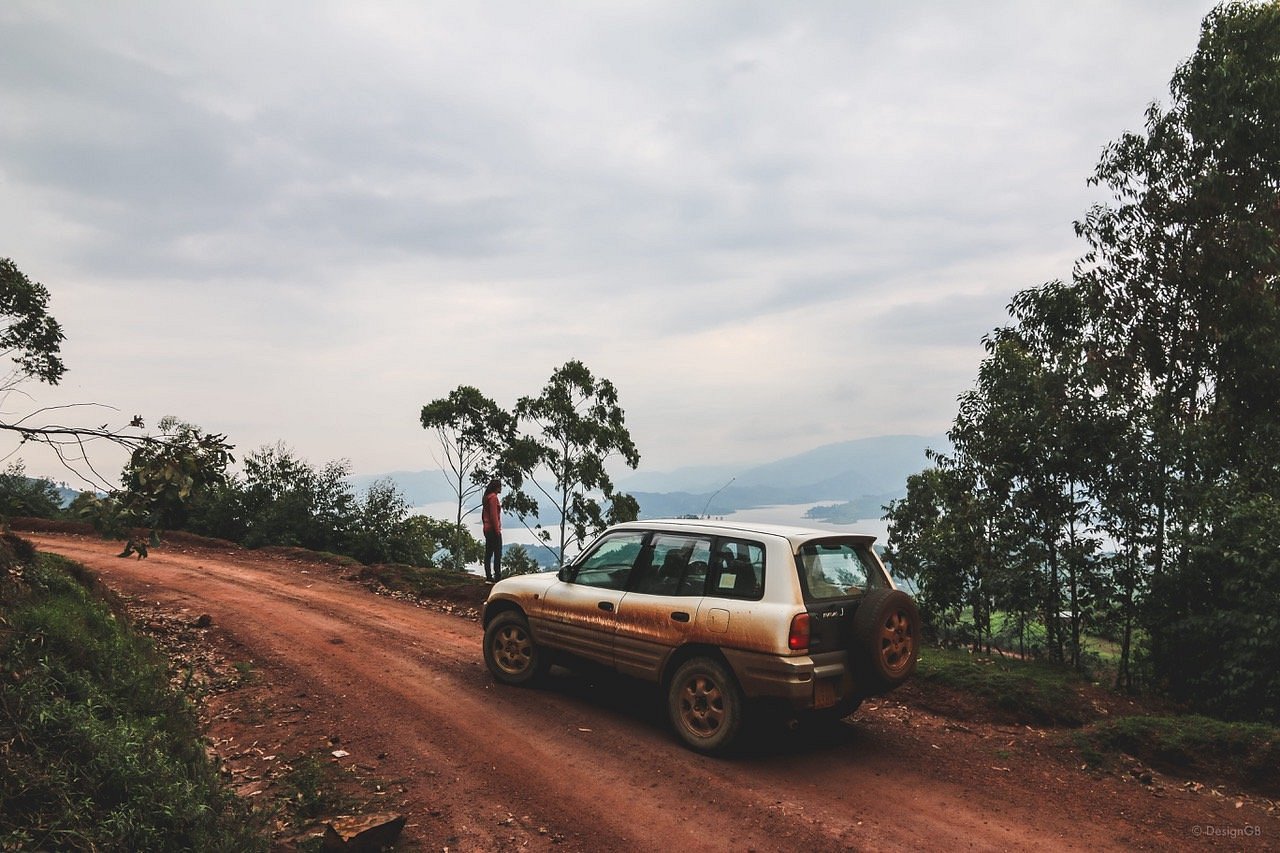
- Toyota RAV4 or similar compact SUVs: Fine for tarmac and light gravel, but limited in deep mud, so ask whether it is genuinely all-wheel drive.
Match the Car to Your Itinerary
If you’re staying around Kampala, Entebbe and Jinja, most of your driving is on tarmac and a standard SUV may be enough. If your plans include Bwindi, Queen Elizabeth, Murchison Falls, Kibale or Kidepo, treat a proper 4×4 as essential when renting cars for Uganda’s rainy season, even if the company says a smaller car will “probably be fine.”
Check the Tyres First
Tyres are the most important feature in wet conditions. Look for deep tread, even wear and a full-size spare in good condition. Ask for all-terrain tyres if available, and check that the jack and wheel spanner are in the car before you leave the yard.
Self-Drive vs. Chauffeur-Driven Rentals
Many visitors ask whether they should drive themselves. In the rainy season, a chauffeur-driven rental is often the better choice. Local drivers know which roads flood, how to read a slippery slope and when to turn back. They also handle recovery if you get stuck, which can otherwise become a stressful, hours-long ordeal.
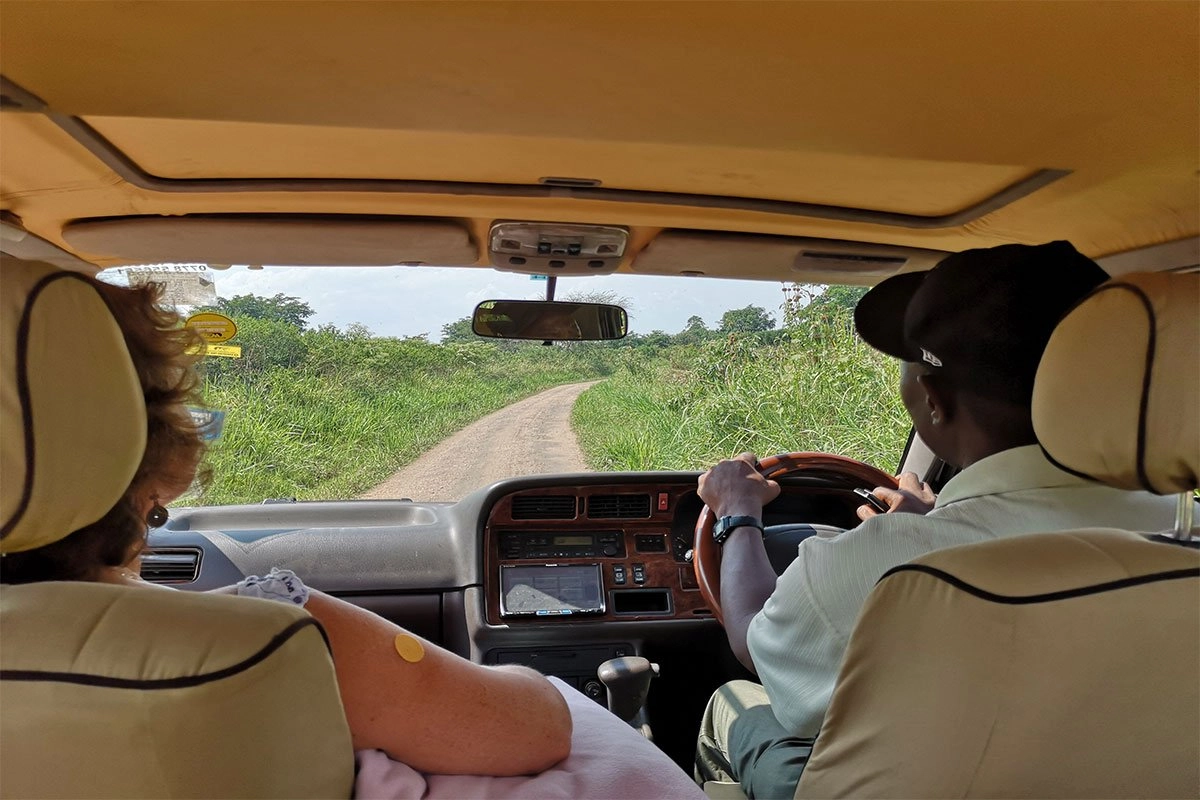
If you prefer to self-drive, be honest about your experience with mud, gravel and left-hand driving (Uganda drives on the left). Confirm the current licence requirements, which usually mean your home licence plus an International Driving Permit, and plan shorter driving days than you would in the dry season.
Insurance and Contract Details to Check Before You Sign
Rental agreements can hide expensive exclusions, and the rains are when they’re most likely to matter. Before signing, ask about:
- Collision damage waiver (CDW) and excess: Find out how much you pay if the car is damaged.
- Exclusions: Many policies exclude tyres, windscreens, the undercarriage and water damage, which are exactly the parts most at risk in the rains.
- Off-road and flood clauses: Some contracts void cover if you drive through floodwater or on roads the company considers unsuitable.
- Breakdown and recovery: Ask whether roadside assistance is included, how quickly help can reach remote areas and who pays for towing.
- Mileage and fuel policy: Wet roads slow you down and use more fuel, so make sure the limits still suit your route.
Take dated photos and video of the car, inside and out, before you drive away. This protects you in any dispute when you return it.
What to Pack When Renting Cars for Uganda’s Rainy Season
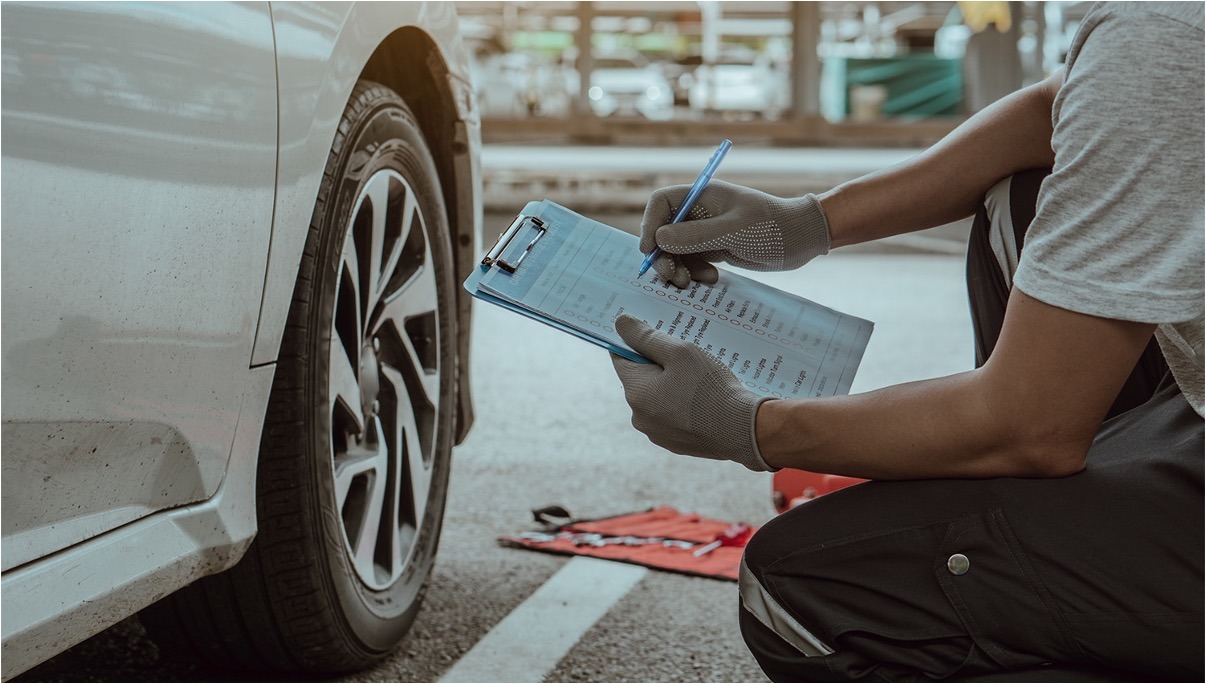
A few extras make a big difference on wet-season trips:
- A full-size spare tyre, jack and wheel spanner
- A tow rope or recovery strap
- A torch or headlamp with spare batteries
- Drinking water and snacks in case you’re delayed
- A power bank and a local SIM card for navigation and emergencies
- Waterproof bags for luggage and electronics
- Rubber boots or sturdy shoes and a rain jacket
Driving Safely on Wet and Muddy Roads
Slow Down and Increase Your Distance
Wet tarmac and murram both reduce grip. Drive at a reduced speed, brake gently and leave far more space than usual between you and the vehicle ahead. Heavy trucks and buses often kick up spray and mud, so be patient rather than overtaking on blind bends.
Handling Mud
Keep a steady, moderate speed and avoid sudden steering or braking. Use a higher gear in slippery conditions if the vehicle allows it, and switch to 4×4 mode before you reach the muddy section, not after you’re stuck. If the car starts to slide, ease off the accelerator and steer gently in the direction you want to go.
Flooded Roads and River Crossings
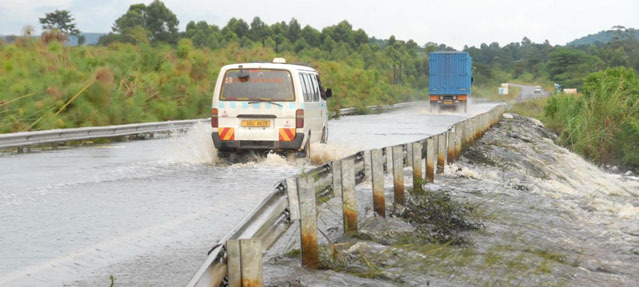
Never assume you can cross moving or unclear water. If you can’t see the road surface, don’t drive through it. Check the depth and current if it’s safe to do so, or ask local people. Even shallow, fast-moving water can push a vehicle sideways, and water entering the engine can cause severe damage that your insurance may not cover. When in doubt, wait for the level to drop or take another route.
Watch for Landslides and Washouts
In hilly areas, look out for fresh soil on the road, fallen rocks and cracks in the surface. Avoid stopping beneath steep slopes during heavy rain.
Planning Your Route and Timing
- Start early. Mornings are generally drier and give you buffer time if you hit delays.
- Avoid night driving. Rain, darkness and unlit vehicles are a dangerous mix.
- Add buffer days. Travel between parks can take much longer than the map suggests.
- Check conditions locally. Ask your lodge, park rangers or other drivers about the road ahead.
- Be flexible. A fixed itinerary is harder to keep in the rains, so leave room to adjust.
Kampala deserves a mention too: heavy rain can flood parts of the city and turn slow traffic into gridlock, so allow extra time for airport transfers and meetings.
Saving Money When Renting Cars for Uganda’s Rainy Season
The rainy season is low season for many operators, which can work in your favour. You may find lower rates, better availability and more room to negotiate on longer hires. Compare quotes from several reputable companies and read reviews before booking. Just don’t save money at the expense of safety: a well-maintained 4×4 with good tyres and solid insurance is worth paying more for.
Final Thoughts on Renting Cars for Uganda’s Rainy Season
Uganda in the rains is lush, dramatic and less crowded, and with good preparation it’s a wonderful time to travel. The key to renting cars for Uganda’s rainy season is choosing a capable 4×4, reading the contract carefully, packing sensibly and driving with patience. If you’re unsure about the roads, a driver-guide is often the smartest investment you can make.
Plan well, stay flexible, and let the rain be part of the adventure.
Note: Rental terms, licence rules and road conditions can change, so confirm current details with your rental company and local authorities before you travel..