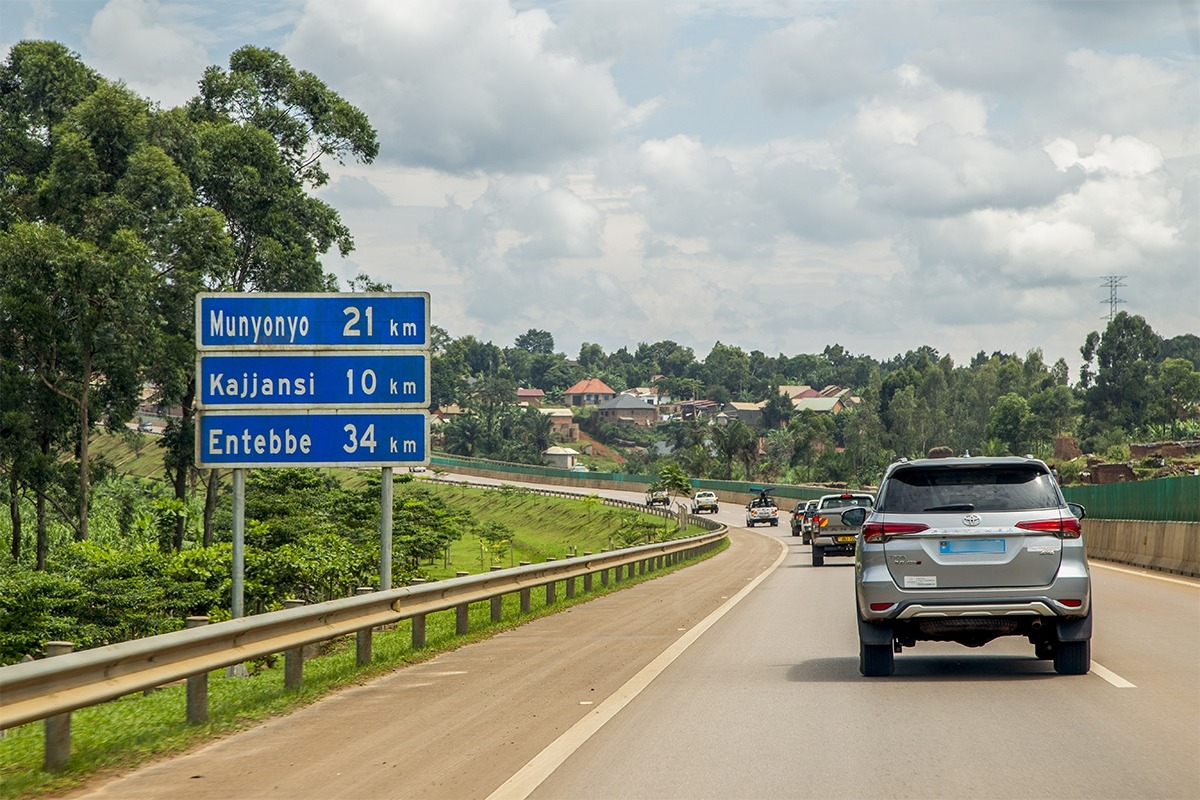
Uganda is one of East Africa’s most rewarding destinations. Mountain gorillas in Bwindi, the source of the Nile in Jinja, tree-climbing lions in Queen Elizabeth National Park: the “Pearl of Africa” delivers. But getting between these places means spending time on the road, and that’s where visitors need to be careful. Understanding road safety in Uganda before you arrive is one of the smartest things you can do to protect your trip.
The good news is that most tourists travel safely. With a little preparation, the right transport choices and a realistic view of local driving conditions, you can avoid the most common risks.
Why Road Safety in Uganda Deserves Your Attention
Uganda’s roads carry a mix of traffic that surprises many first-time visitors: trucks, minibus taxis (matatus), private cars, motorcycle taxis (boda bodas), bicycles, pedestrians and sometimes livestock, all sharing the same space. Road crashes claim thousands of lives in the country every year, and pedestrians and motorcyclists are among the most vulnerable.
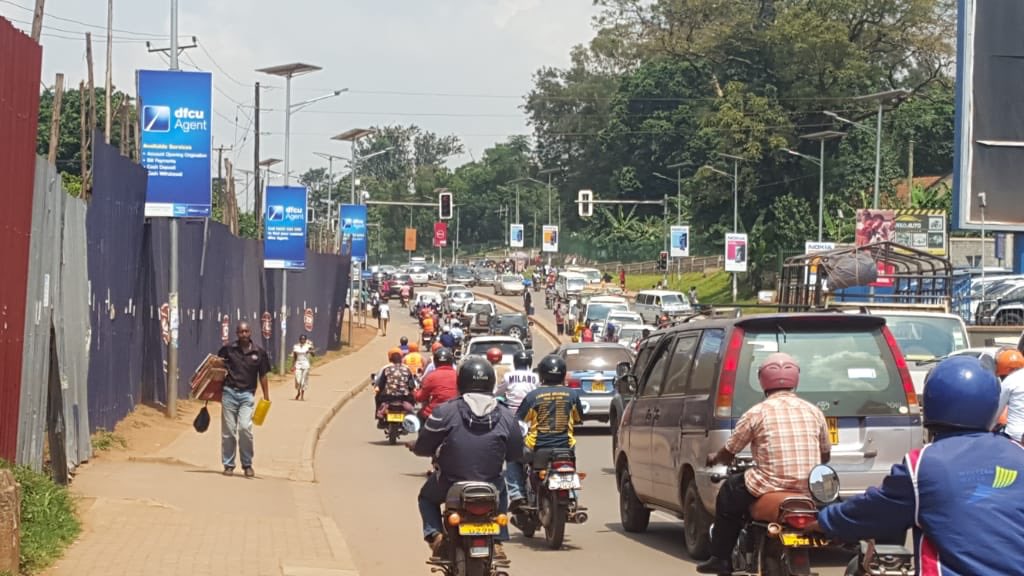
Several factors contribute to this. Some roads are narrow with no shoulders, overtaking on blind bends is common, and speed limits are not always observed. Roads are also busiest around Kampala and along major routes such as Kampala–Jinja, Kampala–Masaka and Kampala–Gulu. None of this should put you off visiting, but it does mean road safety in Uganda is a real part of trip planning, not an afterthought.
Choosing the Safest Way to Get Around
Hire a Reputable Driver-Guide
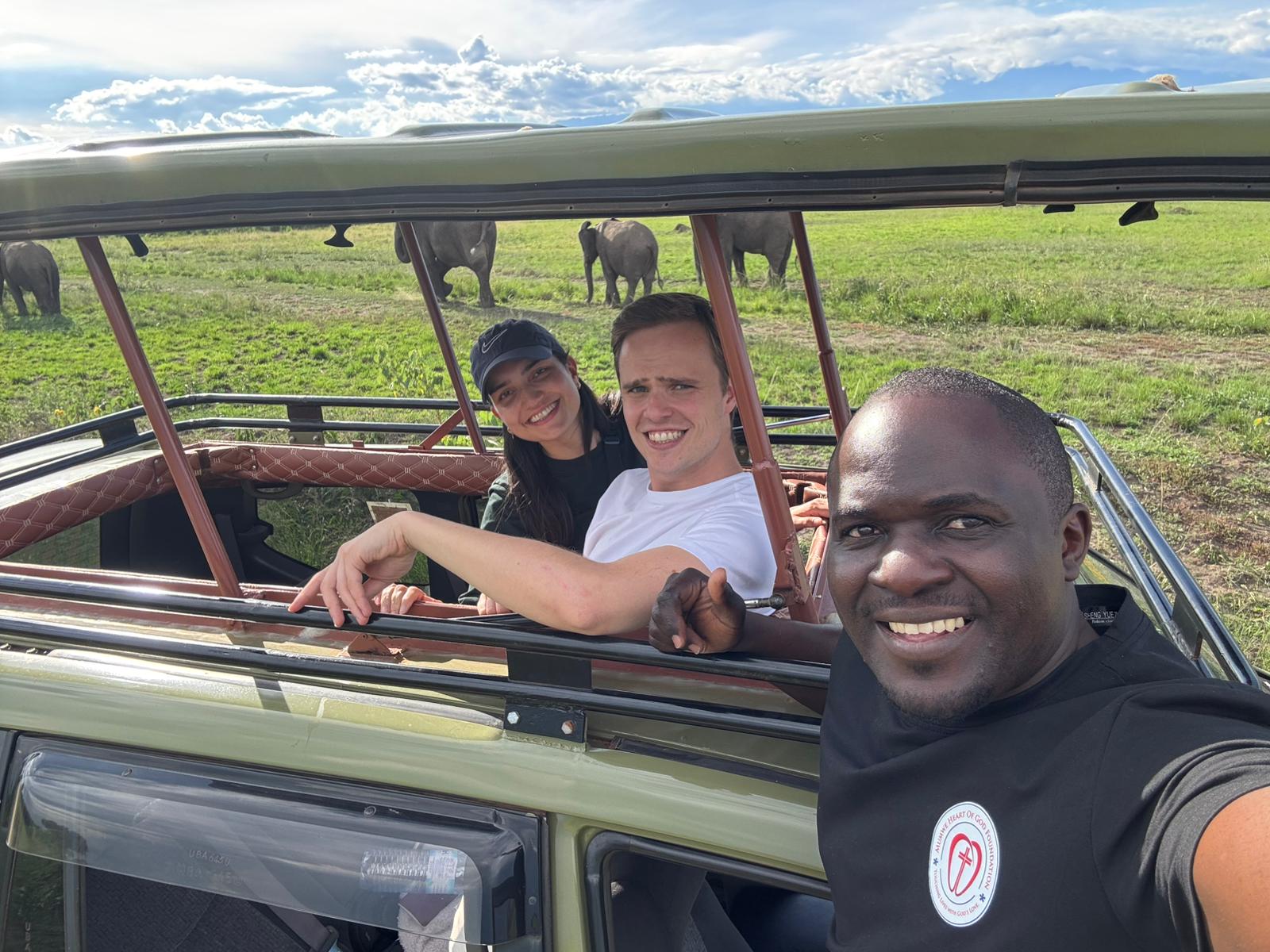
For most tourists, especially those visiting national parks, a licensed Uganda driver-guide from a reputable safari company is the safest and least stressful option. Experienced drivers know the roads, the hazards and the driving culture, and they can handle rough park tracks in a 4×4 that you may never have driven before. When comparing operators, ask about vehicle maintenance, whether seat belts work in every seat and how many hours drivers spend behind the wheel each day.
Should You Self-Drive?
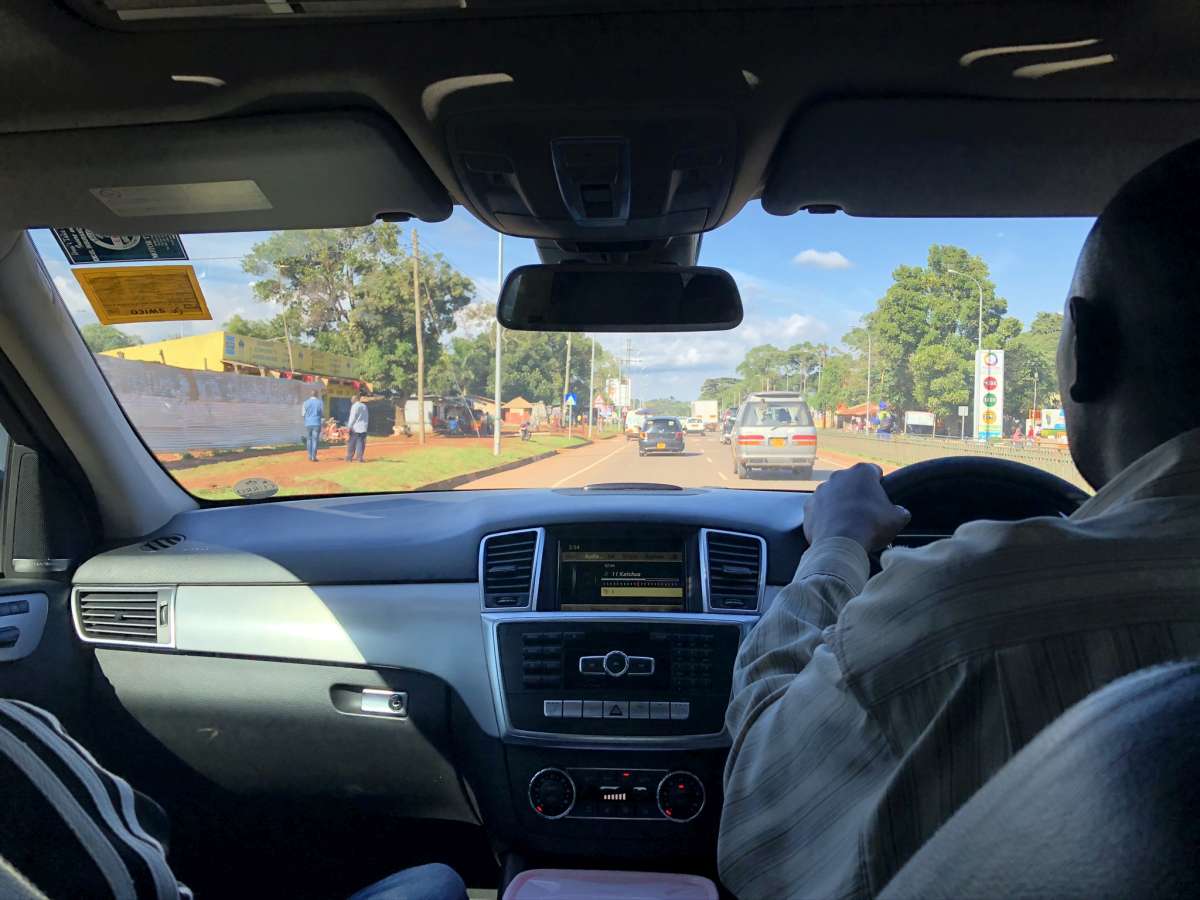
Self-driving is possible, and some travellers enjoy the freedom. Uganda drives on the left, and visitors typically need their home licence plus an International Driving Permit, though you should check current requirements before you travel. Be honest about your experience: unfamiliar rules of the road, unpredictable overtaking, potholes and heavy trucks can be tiring even for confident drivers. If you do self-drive, choose a sturdy vehicle with good tyres, carry a spare, and plan shorter driving days.
Public Transport and Tourist Buses
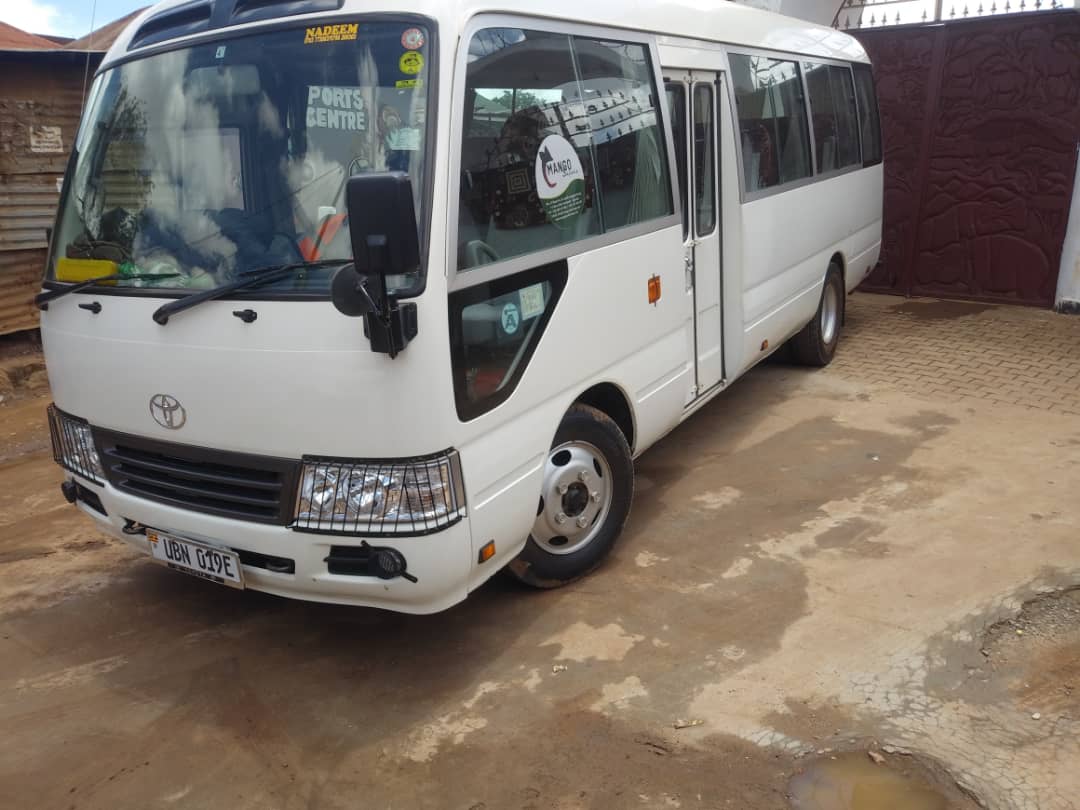
Long-distance coaches from established companies are generally a safer budget option than crowded minibus taxis. Choose daytime departures, sit where you can wear a seat belt if one is fitted, and avoid vehicles that are visibly overloaded. Matatus are cheap and fun but are often driven fast and packed full, so many visitors use them only for short hops, if at all.
Boda Bodas: Convenient but Risky
Motorcycle taxis are everywhere in Uganda and are often the quickest way through Kampala’s traffic. They are also a leading cause of serious injuries. If you decide to use one:
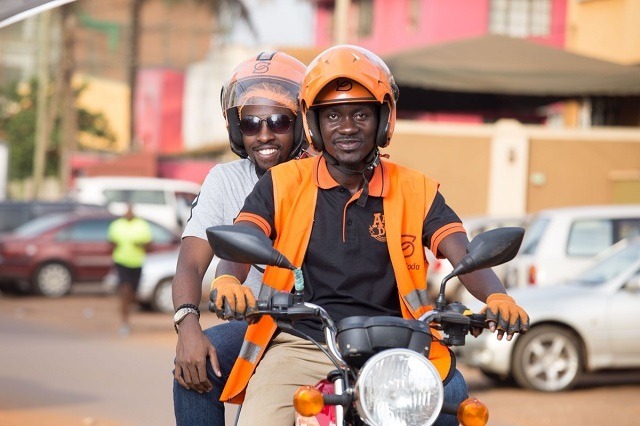
- Insist on a helmet, and ideally bring or buy your own properly fitting one.
- Use app-based services such as SafeBoda, where riders are typically vetted and equipped with helmets.
- Agree the route and fare before you set off.
- Avoid boda bodas at night, in heavy rain or on fast highways.
- Never ride with more than one passenger on the bike.
Many insurance policies exclude motorcycle accidents or require a valid motorcycle licence, so read your travel insurance carefully.
Driving Conditions Every Visitor Should Expect
Understanding what the road actually looks like helps you stay calm and alert. Expect these conditions:
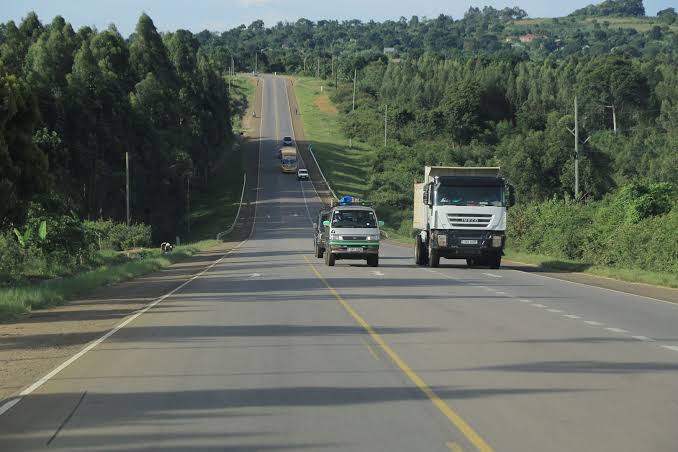
- Potholes and uneven surfaces: Even good roads can deteriorate quickly, especially in the rainy seasons (roughly March to May and September to November).
- Sudden hazards: Pedestrians, cyclists, goats, cattle and speed bumps can appear without warning, particularly through trading centres and villages.
- Heavy trucks: Slow lorries on highways lead to risky overtaking. Be patient and never overtake unless you can see clearly ahead.
- Limited lighting: Many roads have no street lights, and some vehicles drive with faulty or dazzling headlights.
- Police checkpoints: These are routine. Slow down, be polite and keep your documents accessible.
Night Travel: A Simple Rule to Follow
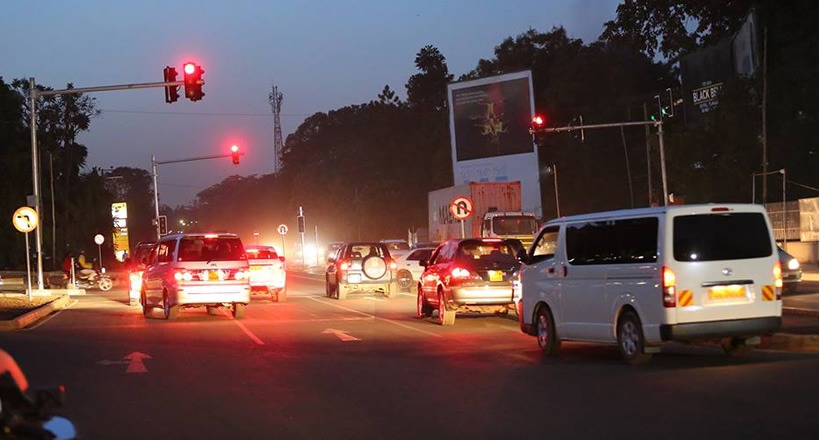
If there’s one piece of advice that improves road safety in Uganda for tourists more than any other, it’s this: avoid driving at night. Poor visibility, unlit vehicles, pedestrians on dark roads and tired drivers all raise the risk. Plan your days so you arrive at your lodge or hotel before dusk, which falls around 7 p.m. year-round because Uganda sits on the equator. Crossing Kampala at rush hour is also worth avoiding, since congestion can turn a short journey into hours.
Smart Preparation Before You Travel
A few steps before departure make a big difference:
- Buy comprehensive travel insurance that covers medical treatment, emergency evacuation and any activities you plan to do.
- Check your route and timing. Build in extra time; distances that look short on a map can take far longer than expected.
- Save emergency numbers. The police emergency line is 999 or 112. Keep your safari operator’s or hotel’s number handy too.
- Carry copies of your documents, including your passport, licence and insurance details.
- Wear your seat belt every time, including in the back seat.
What to Do If There’s an Accident
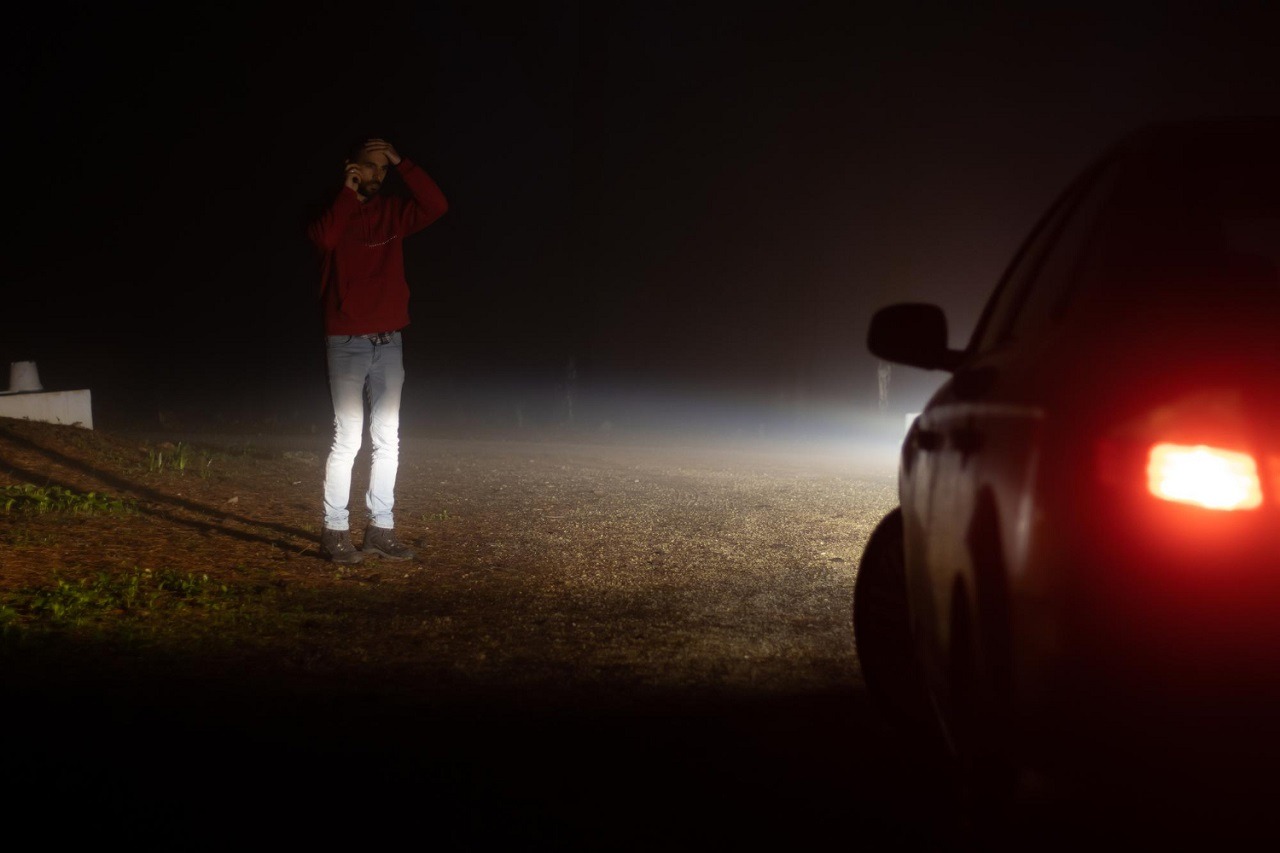
If you’re involved in a road accident, stay calm and check for injuries first. Call the police and emergency services, and contact your travel insurer and tour operator as soon as possible. Take photos of the scene if it’s safe to do so, and keep any police report, since your insurer will likely need it. Be aware that in some situations a crowd may gather quickly, so if you feel unsafe, move to a secure location and wait for police to arrive rather than getting into a dispute.
Final Thoughts on Road Safety in Uganda
Uganda’s roads are part of the adventure, and with the right approach they don’t have to be a worry. Hire experienced drivers, avoid night travel, treat boda bodas with caution, wear your seat belt and buy good insurance. Prioritising road safety in Uganda means you can spend less energy worrying about the journey and more time enjoying the gorillas, the savannah sunsets and the warmth of the Ugandan people.
Safe travels, and enjoy every kilometre of the Pearl of Africa.
Note: Road rules, permit requirements and emergency numbers can change, so double-check current details with official sources or your tour operator before you travel.
To travel safely by road in Uganda, we highly recommend you rent a car and driver- simply contact us now by sending and email to info@ugandacarrentadeal.com or call/ chat with us on +256-779232316