
Uganda’s car market is busy, varied, and — for a first-time buyer — not always easy to navigate. Between authorized franchise showrooms selling brand-new vehicles, established importers specializing in used Japanese stock, roadside dealers along Kampala’s motor trade streets, and a growing number of online listing platforms, there are several very different ways to buy a car in Uganda, each with its own price range, paperwork process, and level of buyer protection. This guide breaks down the main types of dealerships, what to expect from each, and how to buy with confidence.
3 Main Categories of Uganda Car Dealerships
1. Authorized Franchise Dealers (New Vehicles)
These are official, brand-authorized showrooms selling brand-new vehicles with full manufacturer warranties. Toyota Uganda is the most prominent example, alongside dealers representing brands like Nissan, Suzuki, Hyundai, Mercedes-Benz, and Land Rover/Jaguar through established distributors such as CMC (U) Ltd, which has historically represented multiple franchises including Land Rover, Jaguar, Ford, Mazda, and Suzuki, alongside commercial vehicle brands. Spear Motors is another long-established name in this space, known for new vehicle sales, servicing, and corporate fleet supply.

Buying from an authorized dealer is the most expensive route, but it comes with the clearest paperwork trail, manufacturer warranty coverage, and dealer-backed after-sales service — an important consideration given Uganda’s roads and the wear they put on a vehicle.
2. Used and Reconditioned Vehicle Importers
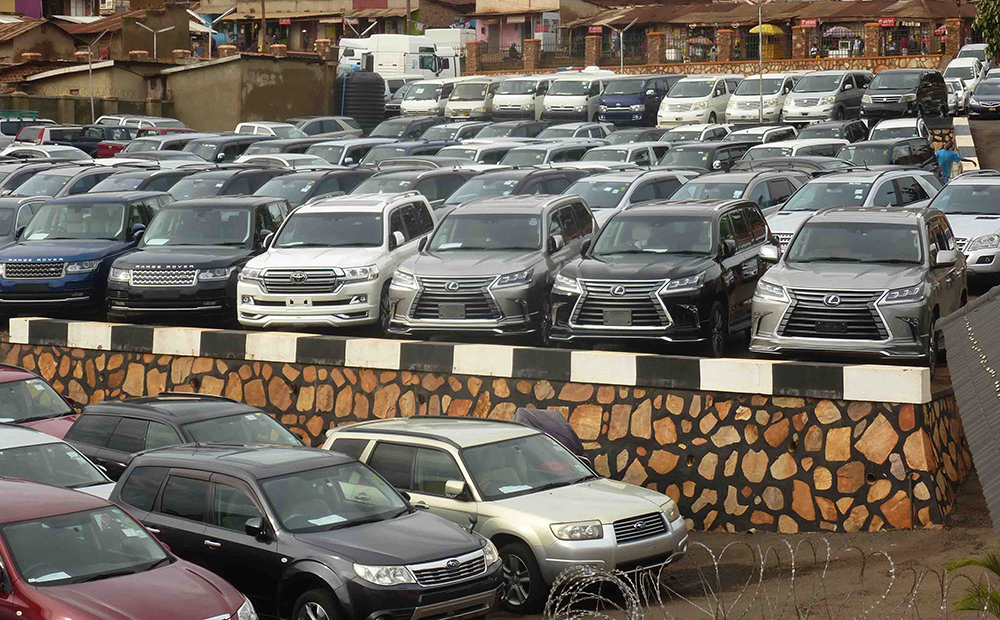
This is the backbone of Uganda’s car market. Most vehicles on Uganda’s roads arrive as used imports, overwhelmingly from Japan (right-hand drive, well-suited to Uganda’s driving side), with a smaller share from the UAE and the UK. Importers along Kampala’s Jinja Road, Lumumba Avenue, and the Kampala–Entebbe Road corridor specialize in these vehicles, often advertising specific stock — Toyota Premios, RAV4s, Land Cruiser Prados, Noahs, and similar models — with mileage and import history disclosed upfront.
Reputable importers will provide:
- A logbook (registration document) either already processed or in progress
- Confirmation of import duty and URA (Uganda Revenue Authority) tax payment status
- A vehicle inspection report, since Ugandan import regulations require newsworthiness verification before registration
- Some level of after-sale support, even if informal, for early mechanical issues
This category offers the widest range of prices and is where most buyers — from first-time owners to families upgrading vehicles — end up shopping.
3. Independent and Roadside Dealers
Smaller, independently run dealerships and roadside lots also make up a significant part of the market, often clustered in areas like Nakawa, Ntinda, and the Old Kampala motor trade zones. These can offer more negotiable prices, but the level of due diligence required from the buyer is higher — verifying that the logbook is genuine, that import taxes have actually been paid (rather than promised), and that the vehicle hasn’t been in a serious accident, are all steps a buyer needs to take personally or through an independent mechanic rather than assuming the dealer has handled them.
Where to Find Listings

Alongside physical dealership visits, online platforms have become a standard part of car shopping in Uganda. Sites aggregating dealer inventory allow buyers to filter by brand, price, and location before visiting a lot in person, which saves considerable time in a market spread across multiple neighborhoods and industrial areas. It’s worth cross-referencing a vehicle’s listed price against a few different platforms or dealers before settling on one, since pricing for similar used imports can vary meaningfully between sellers.
What to Check Before You Buy
Regardless of which type of dealership you’re buying from, a few checks apply universally:
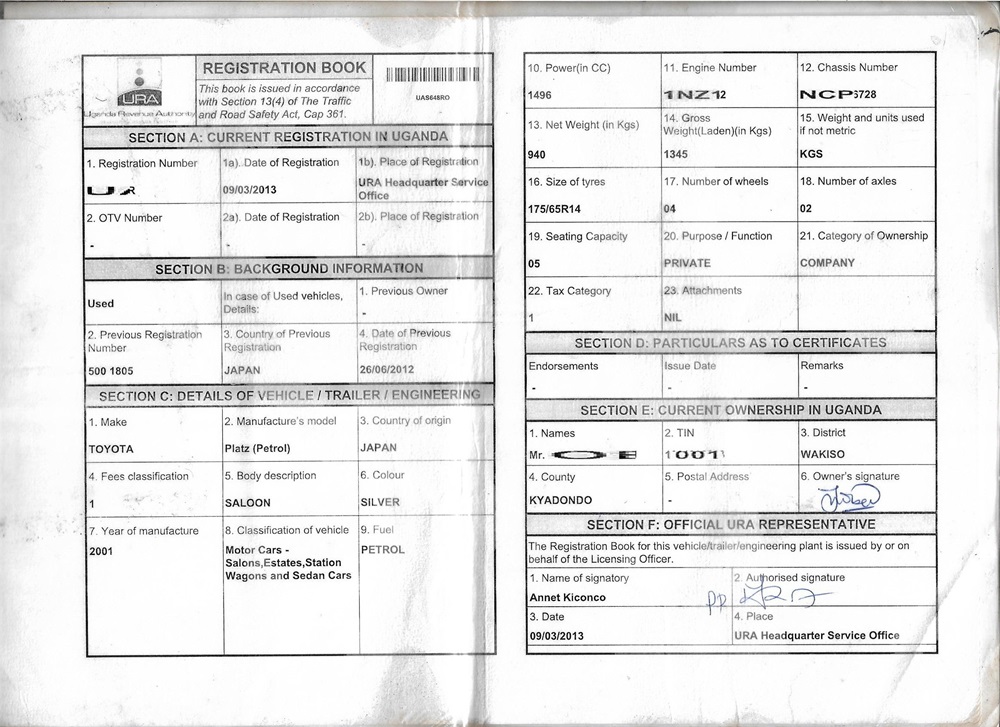
- Logbook authenticity. Confirm the registration document matches the chassis and engine numbers on the vehicle itself, and that ownership can be legally transferred.
- Import duty and tax status. Ask specifically whether URA taxes have been fully paid — an unpaid or partially paid import can become the buyer’s problem after purchase.
- Independent mechanical inspection. Even with a dealer’s own inspection report, having your own trusted mechanic check the vehicle — engine, suspension, electricals, accident history — is worth the modest cost, especially for used imports.
- Mileage verification. Odometer readings on used Japanese imports are generally considered reliable due to Japan’s inspection system, but it’s still worth asking for any available export auction sheet, which often documents condition and history in more detail than the dealer’s own listing.
- After-sale support. Ask directly what happens if a mechanical issue surfaces in the first few weeks — some dealers offer an informal grace period, others sell strictly as-is.
New vs. Used: Which Makes Sense for You?
Brand-new cars in Uganda from authorized dealers make the most sense for buyers who want warranty protection, financing options through dealer-linked banks, and zero uncertainty about vehicle history — often the right call for corporate fleets, NGOs, or long-term residents planning to keep a vehicle for many years.
Used Japanese imports, by contrast, dominate the market because they offer significantly more vehicle for the price — a well-maintained, mid-range used Land Cruiser Prado or RAV4 often costs a fraction of an equivalent new model, while still offering years of reliable service if properly vetted before purchase.
Financing and Payment
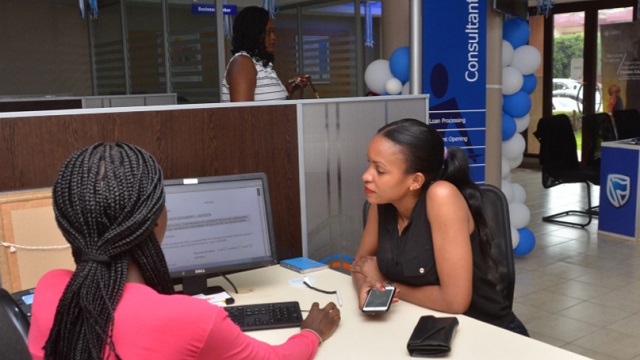
Several banks in Uganda offer asset-financing products specifically for vehicle purchases, often arranged directly through larger dealerships that have existing banking partnerships. Independent importers are more likely to expect full payment or a structured deposit-and-balance arrangement, so it’s worth clarifying financing options early in the buying process rather than assuming they’re available everywhere.
A Note for Visitors and Short-Term Travelers

If you’re in Uganda temporarily — for a holiday, a work assignment, or a multi-week safari — buying a car rarely makes financial or practical sense once you factor in registration, insurance setup, and resale before departure. For that kind of trip, renting a well-maintained 4×4 or sedan through an established Uganda car rental company is almost always the simpler and more cost-effective route, letting you skip the dealership process entirely while still getting a reliable, road-ready vehicle for your time in the country.
Final Thoughts
The Uganda car dealership landscape offers something for every budget and need, from full-warranty new vehicles at authorized showrooms to competitively priced used imports along the country’s busiest motor trade corridors. The right choice comes down to how long you plan to keep the vehicle, how much risk you’re comfortable taking on with a used import, and how much time you’re willing to invest in due diligence before signing. Whichever route you choose, verifying paperwork and getting an independent mechanical check are the two steps that matter most — they’re what separate a good purchase from a costly mistake.
If renting a car in Uganda sounds like the better fit for your trip, we at Uganda Car Rental Deal would be glad to help. We offer a wide range of self-drive and chauffeur-driven vehicles at genuinely affordable rates, matched to whatever your itinerary requires. Simply contact us to book or make an inquiry, email us at info@ugandacarrentaldeal.com, or call us directly on +256-700135510 — we’re ready whenever you are.