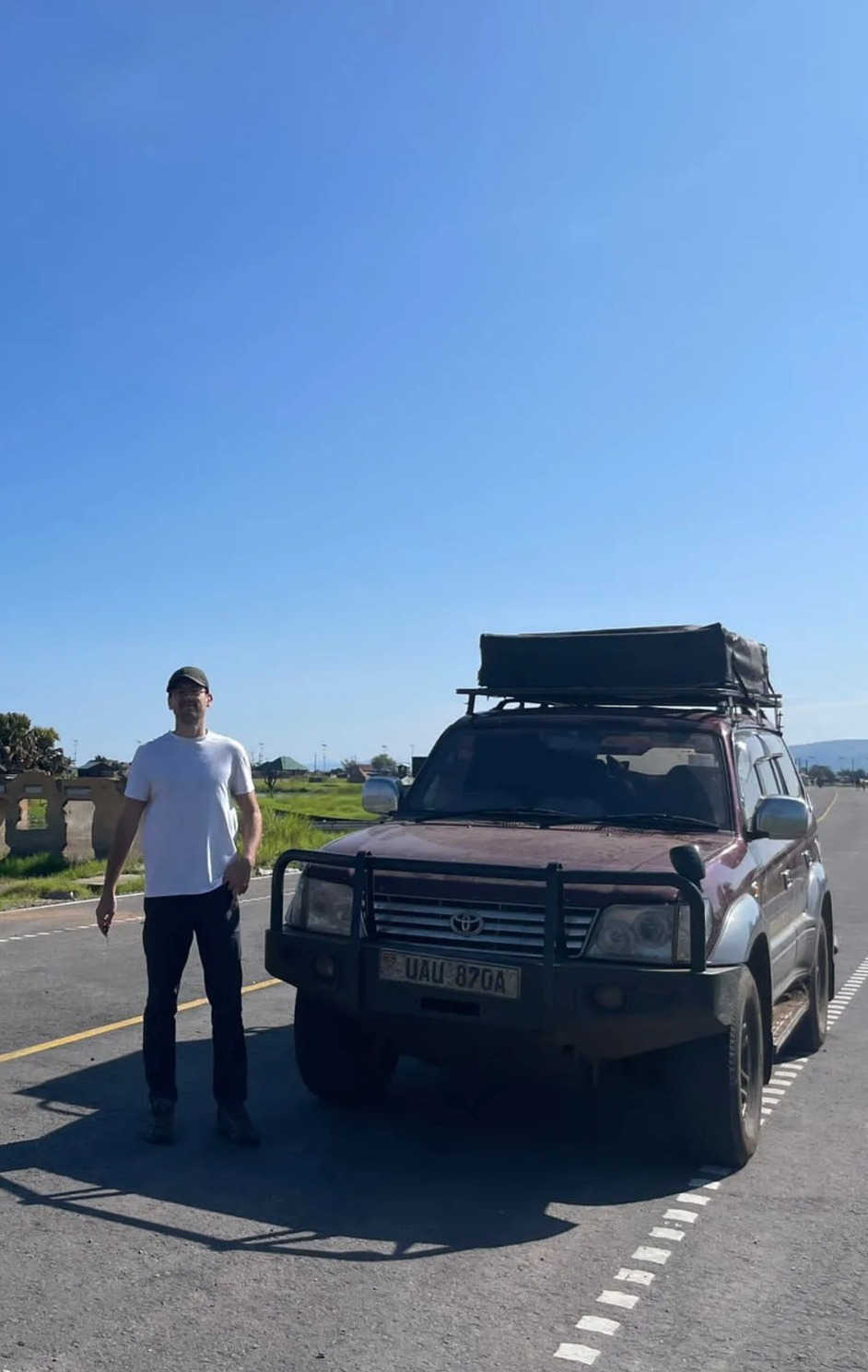
Uganda has become one of East Africa’s most rewarding safari destinations, offering everything from tree-climbing lions in Queen Elizabeth National Park to mountain gorilla trekking in Bwindi Impenetrable Forest. But before you even think about which parks to visit, there’s a more fundamental decision to make: should you drive yourself, or hire a driver-guide?
Both options are popular among travelers, and each comes with real trade-offs in cost, convenience, safety, and the overall quality of your safari experience. Here’s a detailed breakdown to help you decide which approach suits your trip best.
What Self-Drive Safaris Involve
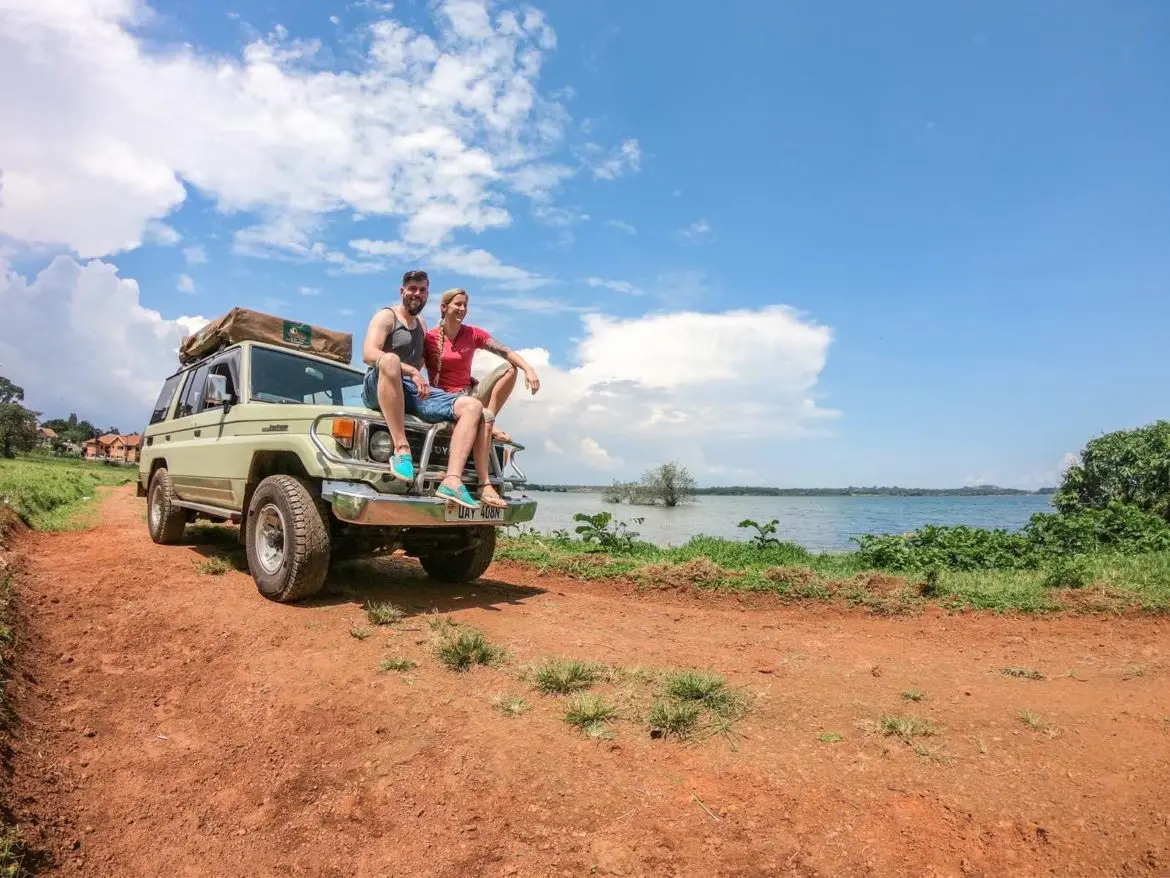
A self-drive safari means renting a 4×4 vehicle (usually a Toyota Land Cruiser or RAV4) and navigating Uganda’s parks and highways on your own. You plan the route, manage your own schedule, and handle everything from fuel stops to park entry formalities.
Advantages of Self-Drive
Full control over your itinerary. You decide when to leave camp, how long to linger at a sighting, and which detours to take. There’s no need to negotiate your pace with anyone else.
Lower cost for some travelers. If you’re comfortable driving and navigating independently, self-drive can be cheaper than hiring a guide, especially for longer trips or larger groups splitting a vehicle.
A sense of adventure and independence. For confident, experienced travelers, driving yourself through Uganda’s landscapes—crossing the equator, navigating rural trading centers, spotting wildlife on your own—adds a rewarding layer to the trip.
Flexibility with accommodation and stops. You’re not tied to a guide’s preferred lodges or schedule, so you can improvise more easily.
Challenges of Self-Drive
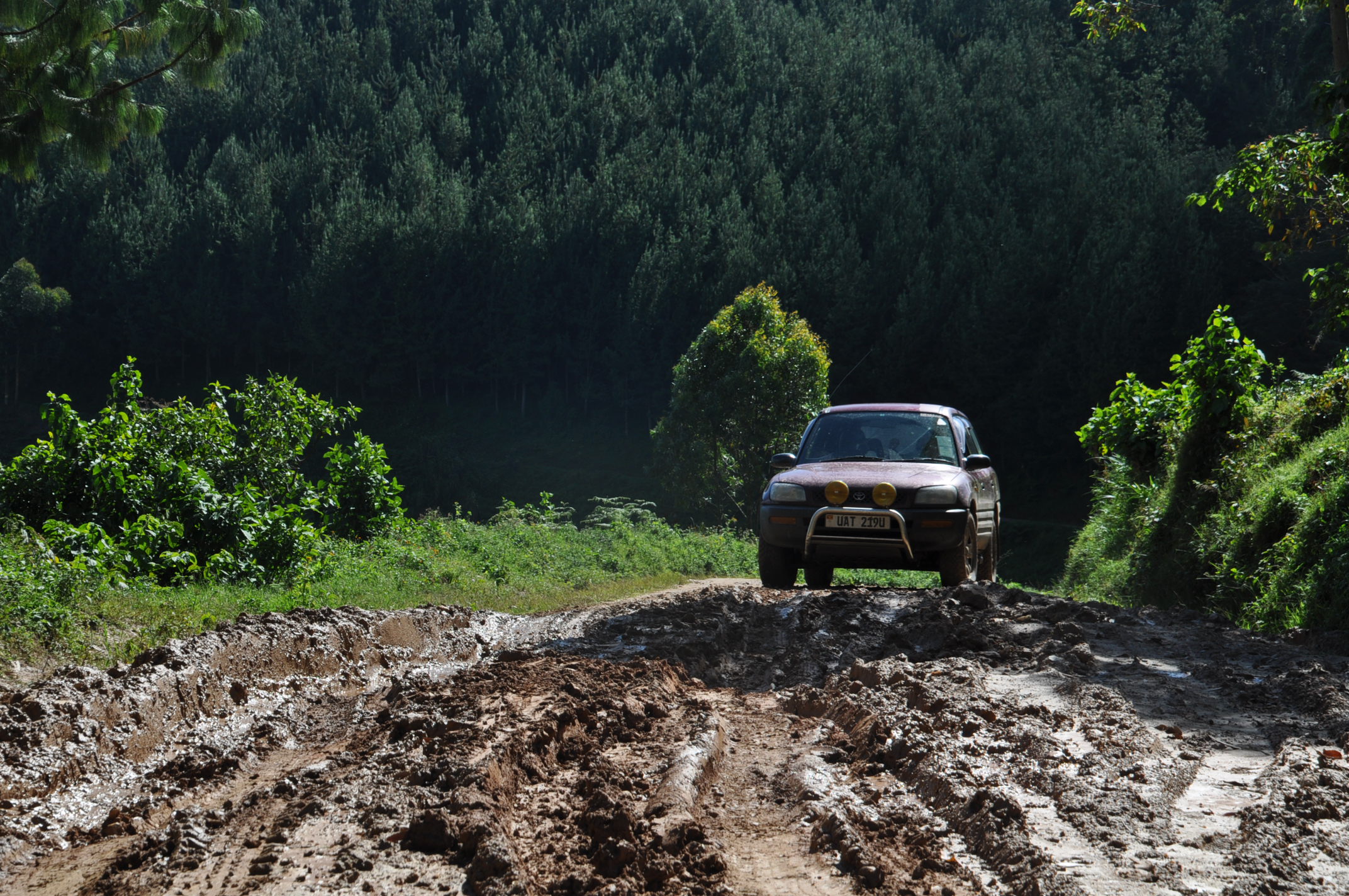
Uganda’s roads can be demanding. Many park roads are unpaved, rutted, and become slippery or impassable during the rainy season. Some routes require real off-road driving experience.
Wildlife spotting is harder without local knowledge. Guides know where animals tend to gather, how to read tracks, and how to interpret animal behavior. Without that expertise, you may drive right past sightings you’d otherwise have caught.
Navigation can be tricky. GPS signal is unreliable in many park areas, and road signage is sparse. Getting lost, especially near closing time, is a real risk.
No one to handle logistics or emergencies. If you get a flat tire, get stuck in mud, or the vehicle breaks down in a remote area, you’re on your own to sort it out—though most rental companies provide 24-hour roadside support.
You lose the storytelling and context a guide provides. Much of the richness of an African safari comes from a guide’s explanations of ecology, animal behavior, and local culture—something you simply don’t get driving solo.
What Driver-Guide Safaris Involve
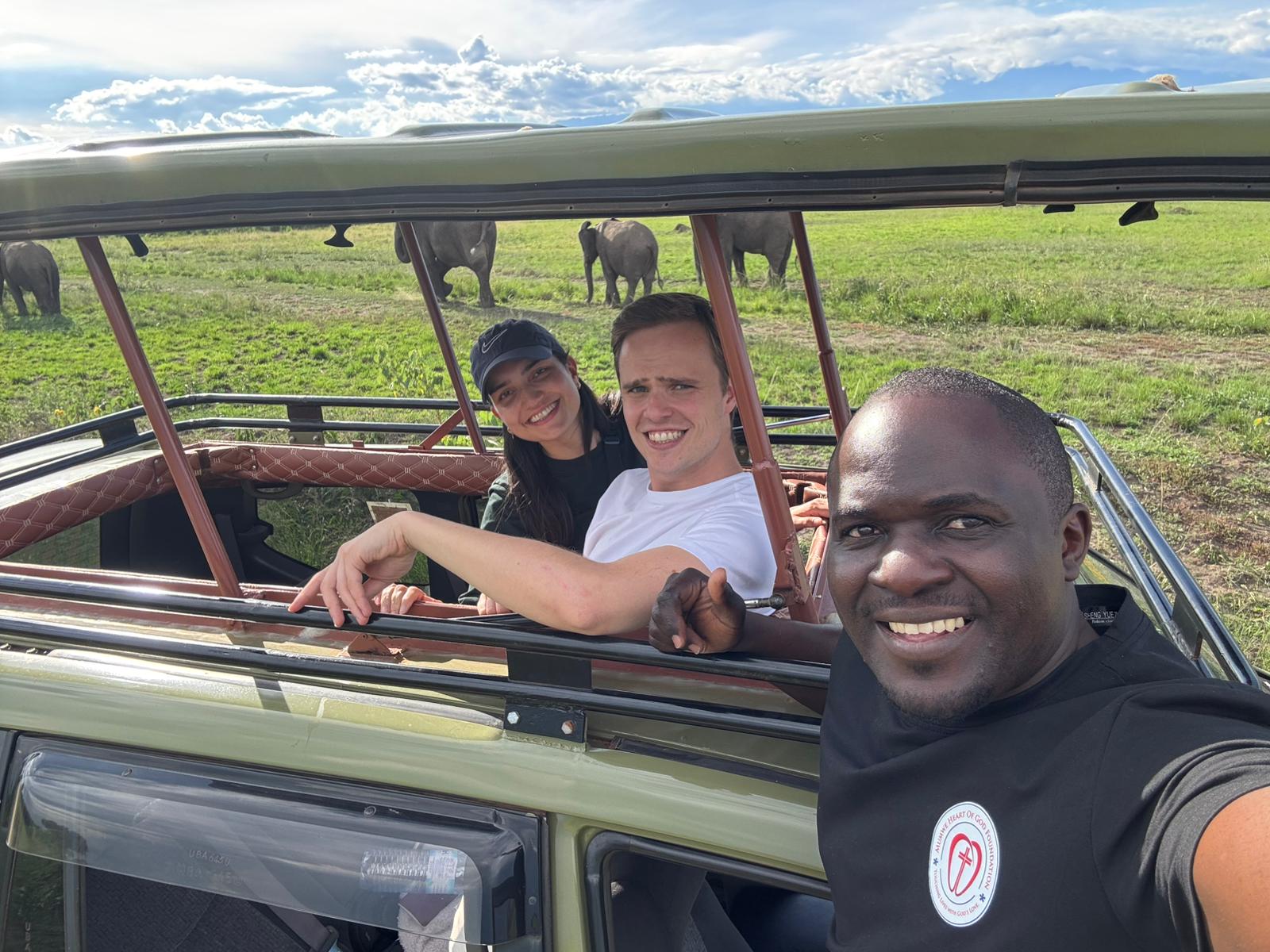
With a driver-guide, an experienced local professional drives you throughout your trip, handles route planning, communicates with park rangers, and actively helps you find and understand wildlife.
Advantages of Driver-Guide Safaris
Expert wildlife tracking. Driver-guides know the parks intimately—the best game-viewing circuits, where predators are likely to be, and how to read subtle signs in the bush. This dramatically increases your chances of quality sightings.
Stress-free logistics. Your guide manages fuel, permits, park fees, route changes, and vehicle issues, so you can focus entirely on the experience.
Safety on challenging terrain. Guides are experienced with Uganda’s sometimes-difficult roads, including muddy tracks in Bwindi, Kibale, and Queen Elizabeth National Park, and know how to navigate them safely.
Cultural and ecological insight. A good guide adds context—explaining animal behavior, local history, and conservation issues—that transforms sightings into a fuller understanding of the ecosystem.
Better for gorilla and chimp trekking logistics. These activities involve permits, ranger coordination, and early starts. A guide who knows the system saves you time and hassle.
Challenges of Driver-Guide Safaris
Higher cost. You’re paying for a professional’s time, expertise, and often their accommodation and meals as well, which adds to your overall budget.
Less independence. Your schedule is shaped in part by the guide’s plans and routines, even if they’re accommodating.
Compatibility matters. Spending days in a vehicle with someone means personality and communication style matter. A mismatched guide can affect your enjoyment of the trip.

Comparing the Two: Key Factors
Experience level. If you’ve driven off-road before and are comfortable navigating with limited signage, self-drive can work well. First-time visitors to Africa often find a driver-guide far less stressful.
Trip length and route complexity. Short, single-park trips (like just Lake Mburo) are more manageable solo. Multi-park itineraries covering Bwindi, Queen Elizabeth, Kibale, and Murchison Falls benefit enormously from a guide’s route knowledge.
Rainy season travel. Uganda’s rainy seasons (March–May and September–November) turn many park roads into serious mud challenges. A driver-guide with local experience is a major safety advantage during these months.
Wildlife-focused travelers. If maximizing sightings is your top priority, a driver-guide’s tracking skills usually outweigh the cost.
Budget-conscious groups. Larger groups splitting a self-drive vehicle can sometimes bring per-person costs below a guided option, particularly for shorter trips.
Gorilla and chimpanzee trekking. These experiences involve rangers, permits, and forest logistics that a guide typically manages far more smoothly than a solo traveler would.
Is a Hybrid Approach Possible?
Many travelers combine both. It’s common to self-drive between major towns or lower-risk areas, then hire a local guide-driver for specific parks—particularly Bwindi or Queen Elizabeth—where road conditions or wildlife-tracking expertise matter most. This can offer a balance of independence and expert support without the full cost of a guide for the entire trip.
Final Thoughts
There’s no universally “better” option—it depends on your experience, budget, and priorities. Confident, adventurous travelers with off-road driving experience and a taste for independence may find self-drive deeply rewarding. Travelers who want to maximize wildlife sightings, minimize stress, and gain cultural insight—especially on multi-park or gorilla-trekking itineraries—are usually better served by a driver-guide.
Whichever you choose, planning ahead with a reputable rental company or tour operator, checking road and weather conditions for your travel dates, and being honest about your comfort level with driving in unfamiliar terrain will go a long way toward making your Ugandan safari a success.
Planning to rent a car in Uganda – choosing between self drive and driver-guide hire cam make a huge difference. Get in touch with us by sending an email to info@ugandacarrentaldeal.com or calling +256-700135510.