Renting a 4×4 in Uganda is the backbone of any self-drive safari — it gets you across rutted park tracks, muddy crater-lake roads, and long highway stretches between destinations. But not every rental vehicle that looks capable in the yard is actually ready for the trip. A vehicle that seems fine parked outside the rental office can turn a dream safari into a roadside ordeal if the basics haven’t been checked. Before you sign anything or drive off the lot, work through this list.
1. Confirm the Vehicle Is Genuinely 4×4 (Not Just 4×4-Badged)
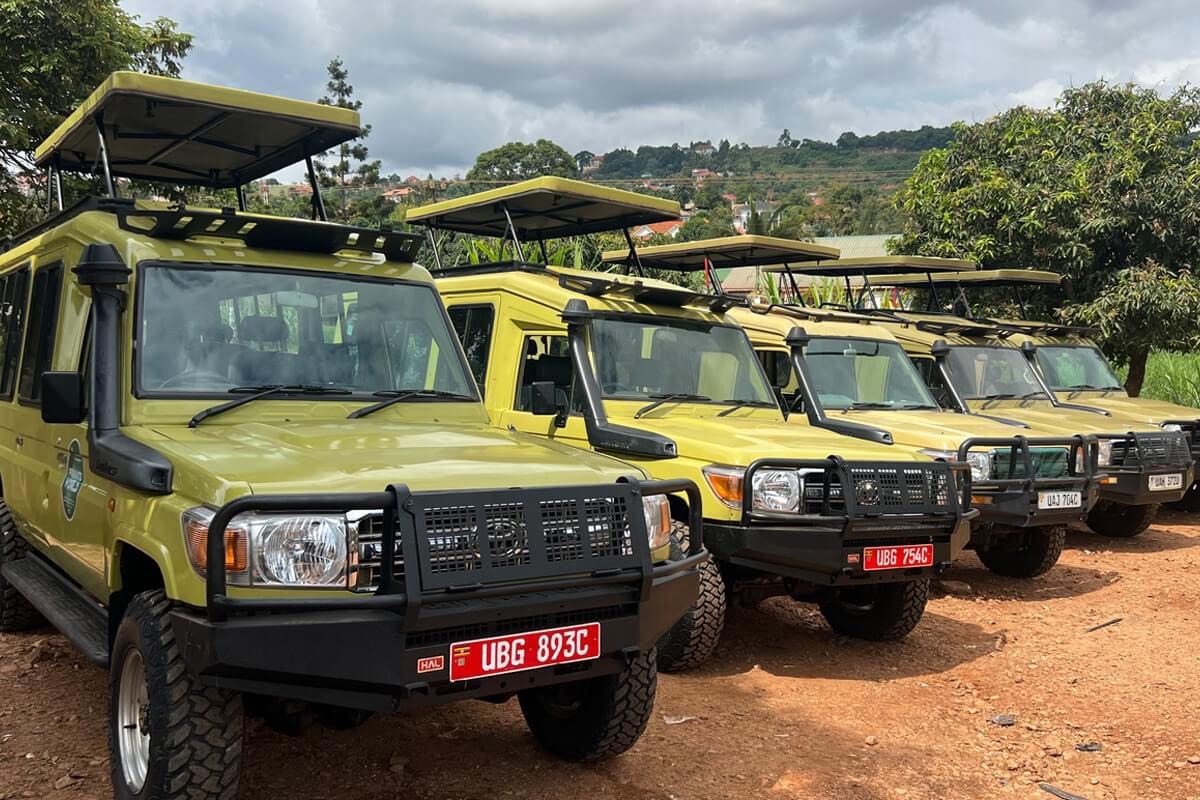
Some vehicles are marketed as “4×4” but are really 4×2 models with off-road styling, or the four-wheel-drive system is unreliable or partially disabled. Ask the rental company to physically demonstrate engaging 4WD (high and low range, if applicable) before you leave. Uganda’s park roads — especially in Queen Elizabeth, Murchison Falls, and the approach to Bwindi — routinely require real four-wheel traction, not just the badge.
2. Inspect Tire Condition and Confirm a Working Spare
Tires take the brunt of Uganda’s murram (dirt) roads. Check:

- Tread depth on all four tires, not just the ones facing you
- No visible sidewall cracking or bulges
- A full-size spare tire that’s actually inflated — many rental disputes start with a spare that turns out to be flat when you need it most
- That a jack and wheel spanner are present and functional, not just theoretically included
3. Test the Air Conditioning and Ventilation
Long highway stretches through Uganda’s heat make working AC more than a comfort item — it also keeps windows fog-free during early morning game drives. Run it for several minutes before accepting the vehicle, not just a quick blast at handover.
4. Check Fuel Type, Tank Range, and the Fuel Policy
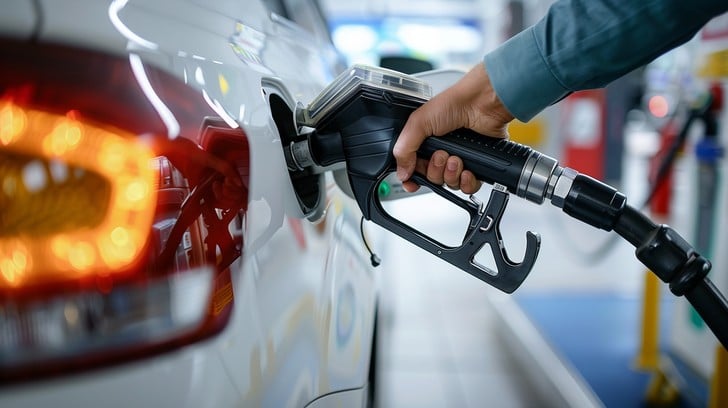
Confirm whether the vehicle runs diesel or petrol (most safari 4x4s in Uganda are diesel) and roughly how far a full tank goes — this matters because fuel stations thin out significantly inside and between national parks. Also clarify the fuel policy in writing: full-to-full is standard and fairest, but some companies use less favorable terms that can cost you extra at drop-off.
5. Review the Insurance Coverage and Excess Amount
This is one of the most overlooked steps when renting a 4×4 in Uganda, and one of the costliest to get wrong. Ask specifically:
- What is covered (collision, theft, windscreen, tires) and what isn’t
- The excess (deductible) amount you’re liable for in the event of damage
- Whether the excess can be reduced with an optional top-up policy
- Whether off-road or park-track driving is explicitly covered, since some cheaper policies exclude it
6. Check Recovery and Roadside Assistance Terms
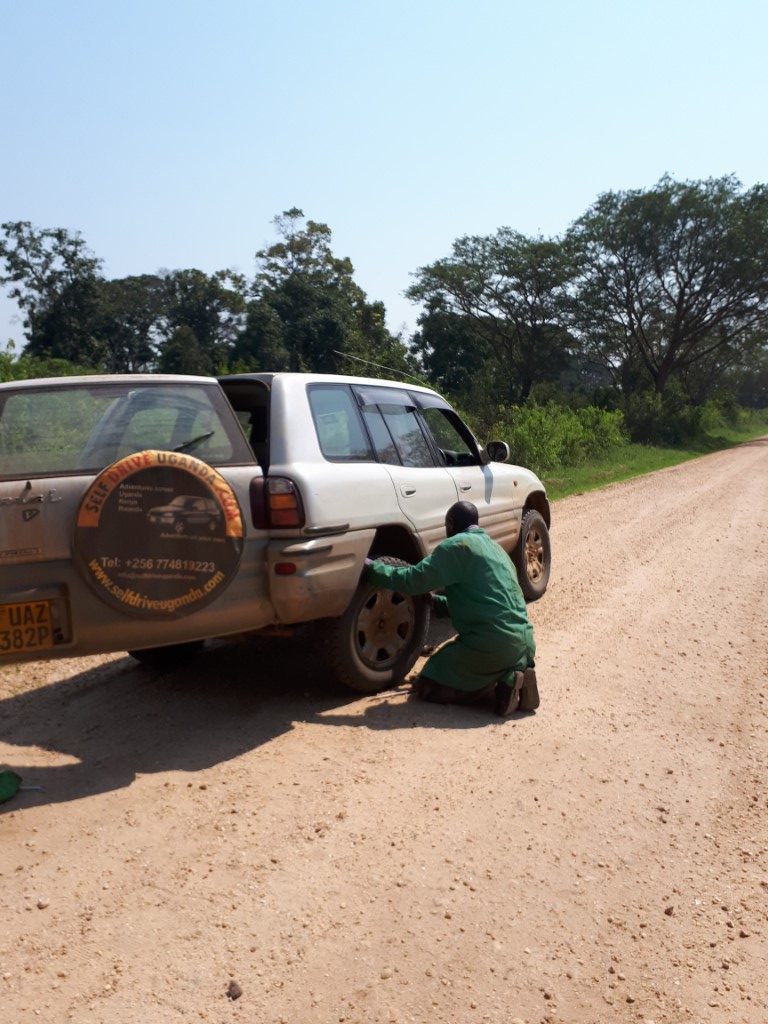
Ask what happens if the vehicle breaks down or gets stuck in mud on a remote park road: does the company provide 24-hour recovery, and how far do they typically travel to reach a stranded vehicle? Save the emergency contact number directly in your phone before you leave the yard, not just in an email you might not have signal to check later.
7. Confirm Included Extras and That They Actually Work
Camping and safari rentals often bundle rooftop tents, cool boxes, camp chairs, and cooking equipment. Physically check each item rather than trusting the inventory sheet:
- Rooftop tent ladder, zips, and mattress condition
- Cool box actually cools when plugged in or pre-chilled
- Camping gas or cooking equipment is complete and functional
- Any GPS unit or offline map device is charged and preloaded with Uganda routes
8. Document Existing Damage Thoroughly
Before driving away, walk around the entire vehicle with your phone camera and photograph every scratch, dent, and worn area, including the roof, undercarriage where visible, and interior upholstery. Timestamp the photos and, if possible, get the rental agent to acknowledge the pre-existing damage in writing. This single step prevents the majority of deposit disputes at drop-off.
9. Check the Mileage Allowance and Cross-Border Terms
Some Uganda 4×4 rentals include unlimited mileage; others cap it and charge per extra kilometer, which adds up fast on a multi-park itinerary. If your route includes Rwanda (for example, combining Bwindi with Volcanoes National Park), confirm whether the rental company permits cross-border travel and whether additional insurance or a cross-border permit fee applies — this is not automatically included in most agreements.
10. Verify the Paperwork You’ll Need at Checkpoints
Uganda’s roads have periodic police and park checkpoints, so before you drive off, make sure you’re holding:
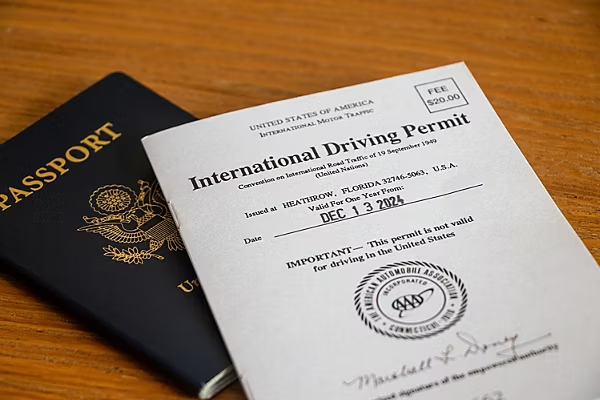
- The vehicle’s logbook or ownership documents (or a copy)
- A signed rental agreement with the company’s contact details
- Proof of insurance
- Your International Driving Permit alongside your home license
Missing any of these can mean delays at checkpoints or park gates, particularly at more remote entry points.
Final Thoughts
Renting a 4×4 in Uganda gives you the freedom to explore the country’s parks on your own schedule, but that freedom depends on the vehicle actually being ready for the terrain. Spending twenty focused minutes on this checklist before you sign the agreement and drive away costs you nothing but time — and it’s the difference between a smooth safari and dealing with a breakdown, a coverage gap, or a disputed damage claim hundreds of kilometers from the rental office.
To book a 4×4 rental car in Uganda for self drive or driver-guided road trip- simply contact us now by sending an email to info@ugandacarrentaldeal.com or calling us on +256-700135510.