Packing for your first Uganda safari can feel overwhelming, especially when trying to balance the need for practical gear with luggage weight restrictions. Unlike beach vacations where you can pack liberally, safari packing requires strategic planning to ensure you’re prepared for diverse activities, unpredictable weather, and varying terrain. From gorilla trekking in misty mountains to game drives across sun-baked savannas, Uganda’s diverse ecosystems demand versatile clothing and essential equipment. This comprehensive packing guide will help you bring exactly what you need—nothing more, nothing less—for an unforgettable Ugandan adventure.
Understanding Uganda’s Climate and Conditions
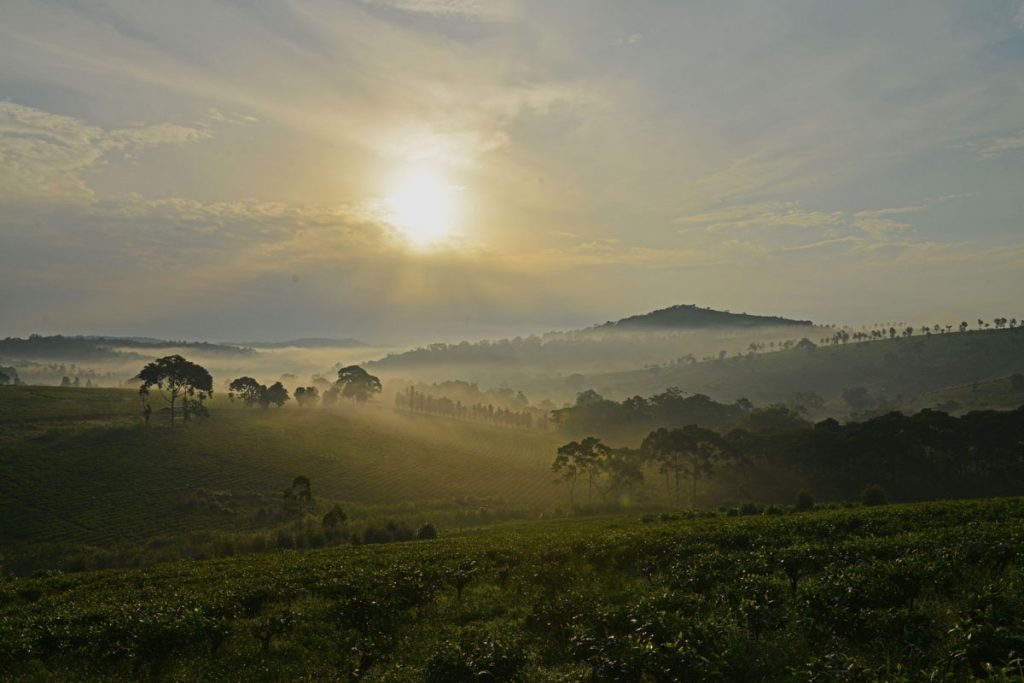
Before diving into specific items, understanding Uganda’s equatorial climate is crucial. The country experiences relatively consistent temperatures year-round, typically ranging from 25-29°C (77-84°F) during the day in lower elevations. However, higher altitude areas like Bwindi Impenetrable Forest, where gorillas live, can be significantly cooler, especially during early morning treks when temperatures may drop to 10-15°C (50-59°F). Uganda’s weather can be unpredictable, with sudden rain showers possible even during dry seasons, making waterproof gear essential regardless of your travel dates.
Clothing Essentials for Safari Activities
The foundation of safari packing is appropriate clothing that serves multiple purposes. Lightweight, breathable fabrics in neutral colors—khaki, olive green, brown, and beige—work best for game drives as they don’t attract insects and help you blend into the environment. Avoid bright colors, particularly white which shows dirt quickly, and black or dark blue which attract tsetse flies in certain regions.
Pack at least three to four quick-dry, long-sleeved shirts that protect against sun exposure and insect bites while keeping you cool. Long pants are essential, with convertible zip-off pants offering versatility for changing conditions. Bring at least two pairs, as one will inevitably get muddy during gorilla trekking. A pair of comfortable shorts is acceptable for lodge downtime but avoid wearing them during activities in areas with high insect populations.
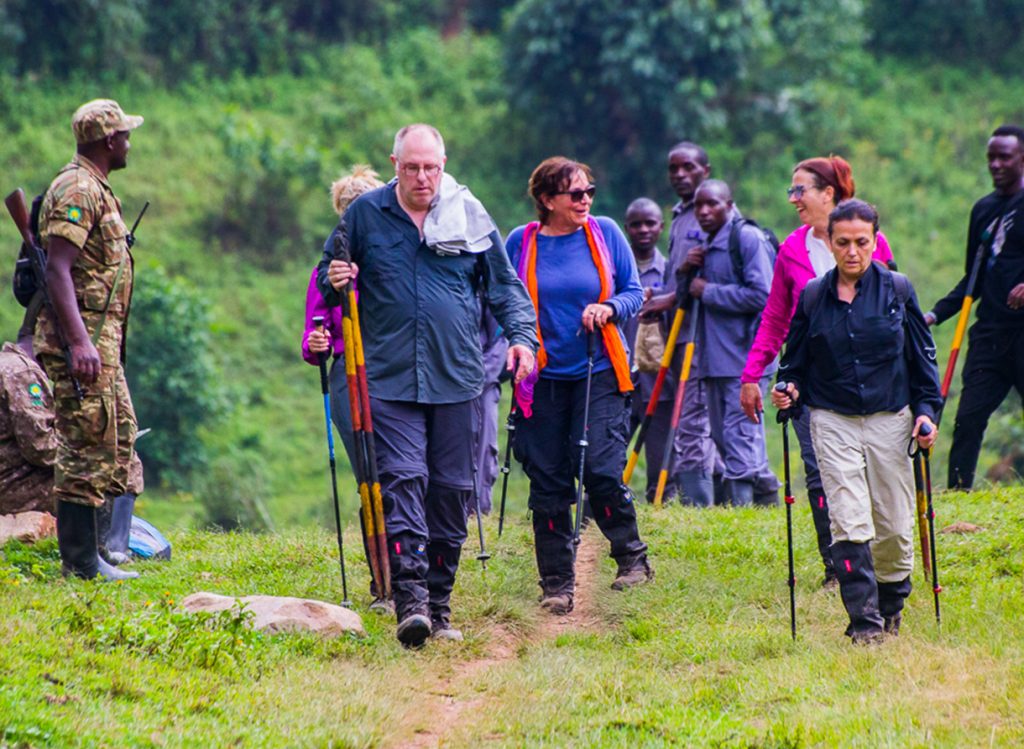
For gorilla trekking specifically, pack sturdy, waterproof hiking pants or consider wearing rain pants over regular trousers. The forest vegetation is often wet from morning dew and recent rains, and you’ll likely brush against dripping leaves throughout your trek. Long sleeves are mandatory not just for warmth but also to protect against stinging nettles common in gorilla habitats.
Footwear That Won’t Fail You
Your footwear choices can make or break your safari experience. Broken-in, waterproof hiking boots with excellent ankle support and aggressive tread are absolutely essential for gorilla trekking. The mountain trails are steep, muddy, and slippery—inadequate footwear leads to falls, twisted ankles, and miserable experiences. Break in your boots completely before traveling; blisters during a six-hour gorilla trek turn adventure into agony.
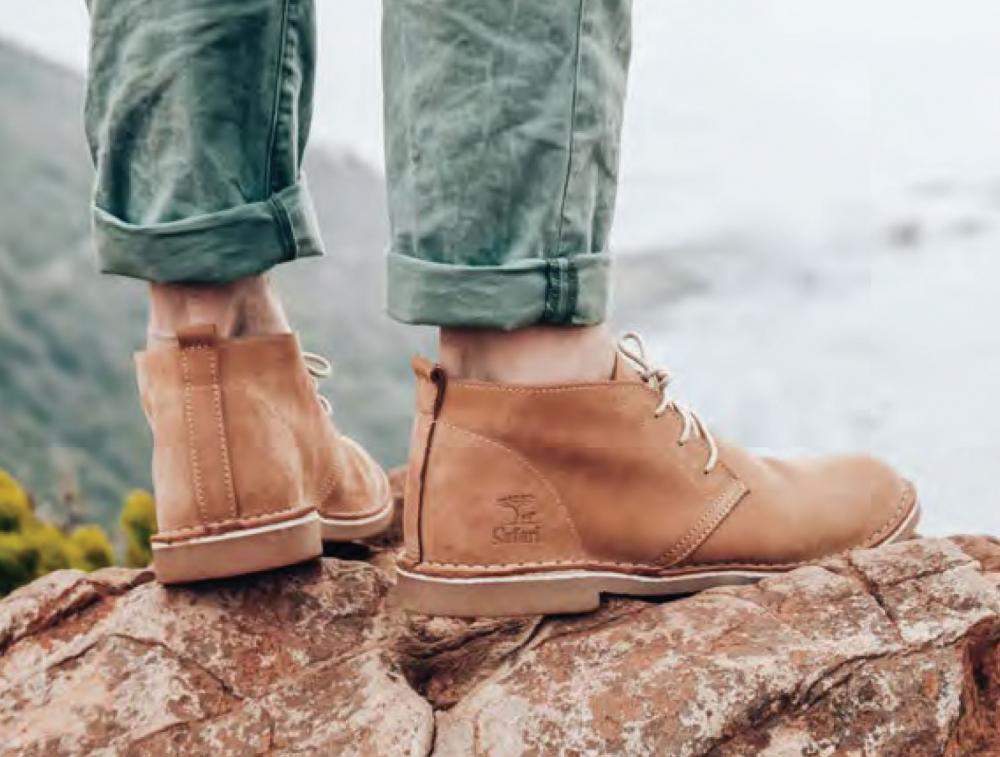
Beyond hiking boots, pack comfortable closed-toe shoes for game drives and casual wear at lodges. Many travelers bring lightweight trail runners or walking shoes that can handle dusty roads and short nature walks. Flip-flops or sandals are useful for lodge areas and showers but shouldn’t be your primary footwear. Gaiters, though optional, provide excellent protection against driver ants, stinging nettles, and mud during forest treks—many experienced trekkers swear by them.
Layering for Temperature Variations
Uganda’s temperature fluctuations throughout the day require a layering strategy. Early morning game drives and gorilla treks begin in chilly conditions that warm significantly as the day progresses. Pack a lightweight fleece jacket or pullover that provides warmth without bulk. A quality waterproof rain jacket with a hood is non-negotiable—it serves dual purposes as both rain protection and windbreaker during open-vehicle game drives.
Consider packing a light down jacket if you’re particularly sensitive to cold or traveling during June-August when temperatures drop more noticeably at higher elevations. Many lodges in gorilla trekking areas provide fireplaces, but rooms can be cool, especially at night.
Essential Accessories and Protection
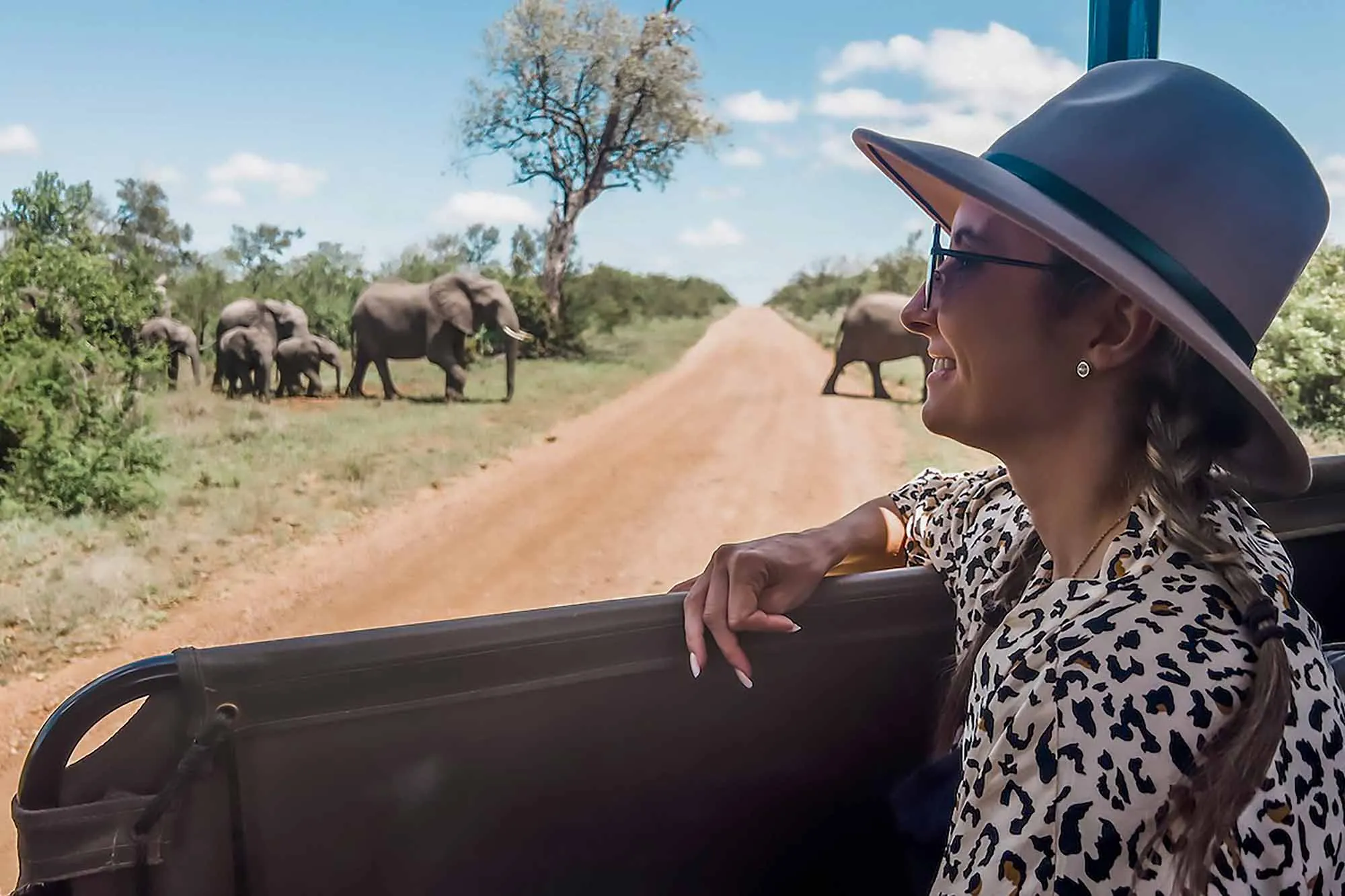
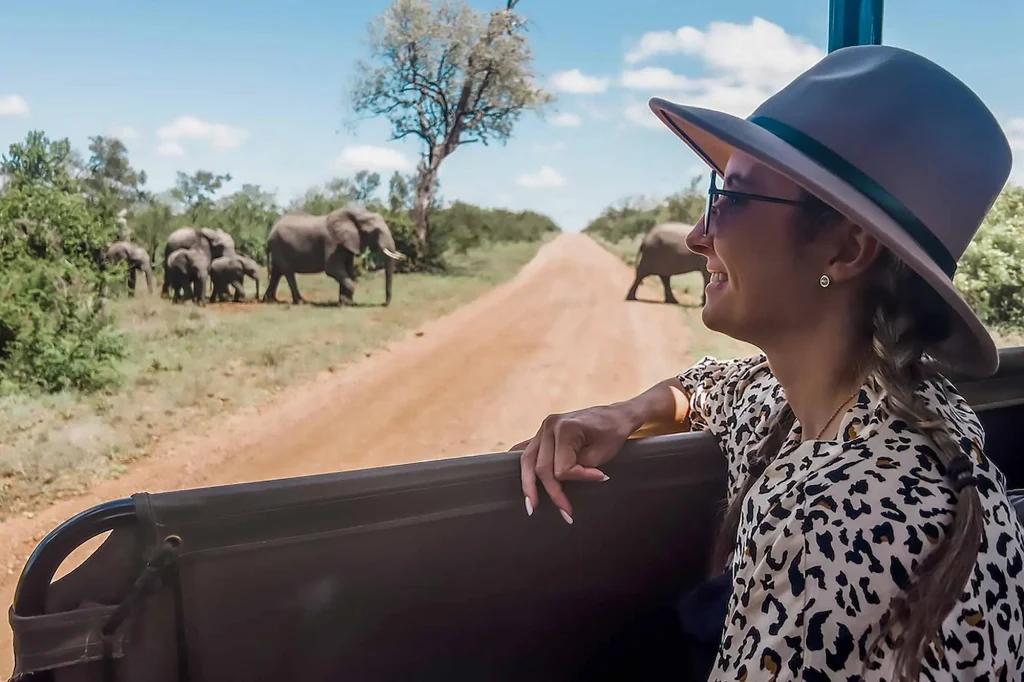
Sun protection is critical despite Uganda’s equatorial cloudiness. Bring a wide-brimmed hat that won’t blow off during open-vehicle game drives—hats with chin straps work best. High-SPF sunscreen (50+ recommended) should be applied liberally and frequently, as reflection off vehicle hoods and water intensifies UV exposure. Quality polarized sunglasses protect your eyes and reduce glare during wildlife viewing.
Insect protection deserves serious attention. Pack DEET-based insect repellent (30-50% concentration) for body application, and consider treating clothing with permethrin before your trip for long-lasting protection. A mosquito head net, while rarely necessary, weighs nothing and provides peace of mind during particularly buggy conditions. Malaria prophylaxis prescribed by your doctor is essential—Uganda is a malaria-endemic country.
Photography and Optical Equipment
Binoculars dramatically enhance wildlife viewing, allowing you to observe distant animals and appreciate intricate bird plumage. Compact 8×32 or 10×42 binoculars offer excellent magnification without excessive weight. For photography, bring your camera body, telephoto lens (ideally 200-400mm range for wildlife), wide-angle lens for landscapes, and plenty of extra batteries and memory cards. Remote lodges may have limited or unreliable electricity, so portable charging solutions are invaluable.
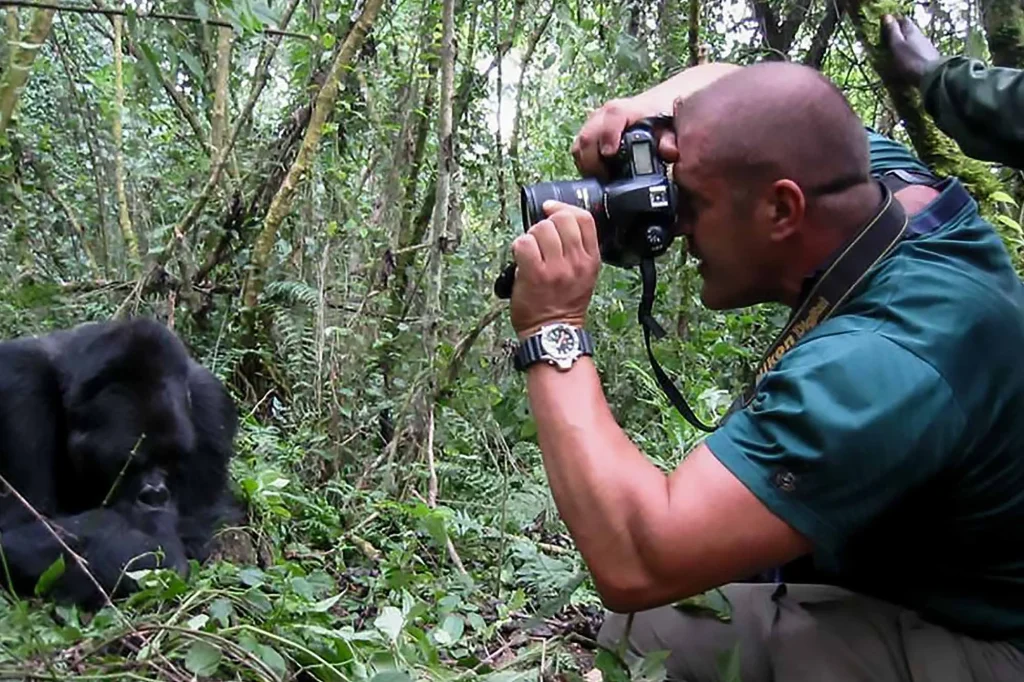
A dust-proof camera bag protects expensive equipment during bumpy, dusty game drives. Bring lens cleaning supplies as dust is unavoidable. For gorilla trekking, waterproof camera bags or rain covers protect gear during sudden downpours.
Health and Hygiene Essentials
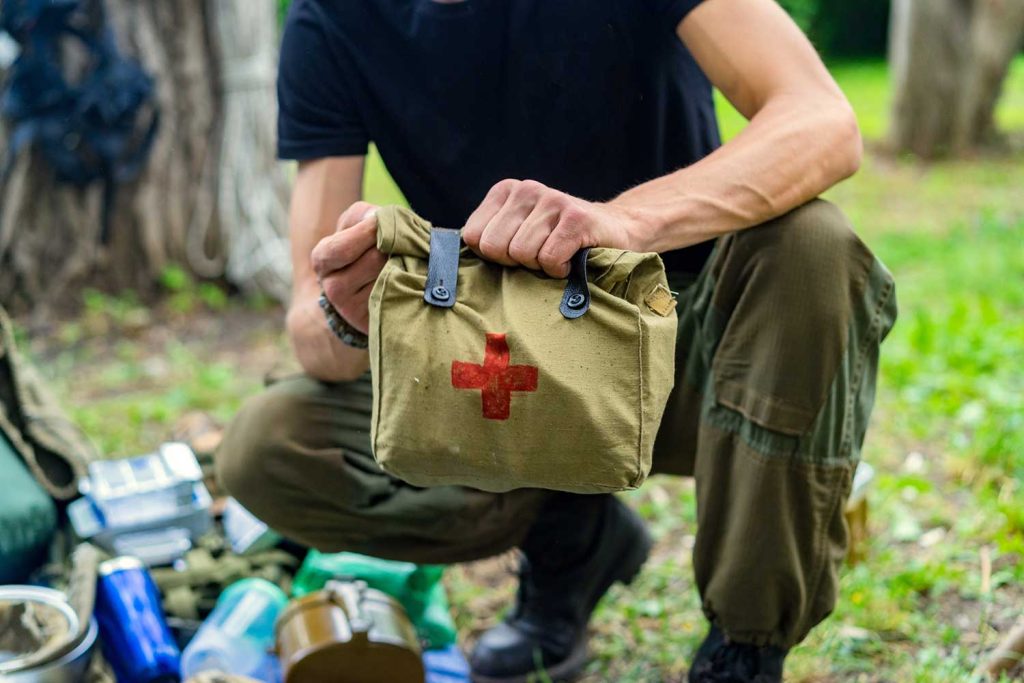
Create a comprehensive first-aid kit including band-aids, blister treatment, antiseptic wipes, pain relievers, anti-diarrheal medication, and any prescription medications with copies of prescriptions. Pack more medication than you think you’ll need in case of travel delays. Hand sanitizer and antibacterial wipes are essential when facilities are limited.
Don’t forget personal toiletries, though pack travel-sized items to minimize weight. Many lodges provide basic amenities, but bring any specific products you can’t live without. A small, quick-dry travel towel proves useful for unexpected situations. Toilet paper and tissues should always be in your daypack—facilities during activities may be basic or non-existent.
Documents and Money
Keep photocopies of your passport, visa, travel insurance, and gorilla trekking permits separate from originals. Store digital copies in cloud storage accessible offline. Bring a money belt or hidden pouch for passport and cash security. US dollars in good condition (post-2013 bills) are widely accepted and necessary for visa fees, tips, and some permits. Small bills ($1, $5, $10) are essential for tipping guides, drivers, and lodge staff.
Final Packing Tips
Soft-sided duffel bags work better than hard-shell luggage for safari vehicles and small aircraft transfers common in Uganda. Keep luggage weight under 15kg (33lbs) if flying between parks, as smaller planes have strict weight limits. Pack a small daypack for daily activities—this carries water, snacks, camera, rain gear, and other essentials during game drives and treks.
Remember that many lodges offer laundry services, allowing you to pack less and re-wear items. Focus on versatile pieces that serve multiple purposes and layer effectively. With this comprehensive packing guide, you’ll be prepared for whatever your Uganda safari adventure brings—from misty mountain gorilla encounters to golden savanna sunsets.
Here’s a compelling call to action ending for your article:
Ready to Start Your Uganda Safari Adventure?
Now that you know exactly what to pack, it’s time to turn your Uganda safari dreams into reality. Don’t let the planning process overwhelm you—let the experts handle the details while you focus on the excitement ahead.
At Uganda Car Rental Deal, we specialize in creating unforgettable, tailor-made safari experiences that showcase the very best of the Pearl of Africa. Whether you’re dreaming of coming face-to-face with mountain gorillas, witnessing lions in their natural habitat, or experiencing the thundering power of Murchison Falls, our experienced team will craft the perfect itinerary to match your interests, budget, and timeline.
Why Choose Uganda Car Rental Deal?
- Expert local guides with intimate knowledge of Uganda’s wildlife and landscapes
- Seamless logistics from airport pickup to your final departure
- Gorilla trekking permit arrangements and priority bookings
- Flexible itineraries designed around your preferences
- Competitive pricing with transparent, no-hidden-fees policy
- 24/7 support throughout your journey
Don’t wait to secure your Uganda safari of a lifetime. Gorilla trekking permits are limited and book months in advance, especially during peak season. Contact us today for a free, personalized safari quote and let us help you create memories that will last forever.
Get in Touch: 📧 Email: info@ugandacarrentaldeal.com 📱 Phone/WhatsApp: +256-779232316
Your Ugandan adventure awaits—let’s make it extraordinary!