
Kampala, Uganda — September 3, 2026
Uber has officially ended its ride-hailing operations in Uganda, closing the book on nearly ten years of service that helped reshape how residents of Kampala move around the city. The exit, effective September 2, 2026, came alongside a simultaneous withdrawal from Nigeria, where the company had operated for 12 years.
What Happened
Uber notified riders and drivers by email on Wednesday, saying the decision followed “a thorough review” of its business. In its message to customers, the company wrote that it had made the “tough decision to wind down our operations in Uganda, effective 2 September 2026,” describing its time in the country as “an absolute privilege.”

Riders who now try to book a trip through the app are met with a message informing them that no rides are available. Uber said support services for both drivers and riders — covering outstanding payments, account issues, and other transition matters — would remain available for 21 days following the shutdown.
The company was explicit that the decision applies only to Uganda and Nigeria and does not affect its operations elsewhere on the continent. Uber’s Head of Communications for East and West Africa, Lorraine Onduru, said the company remains committed to Sub-Saharan Africa, pointing to continued investment in markets it considers to have stronger long-term growth prospects.
A Decade in Kampala
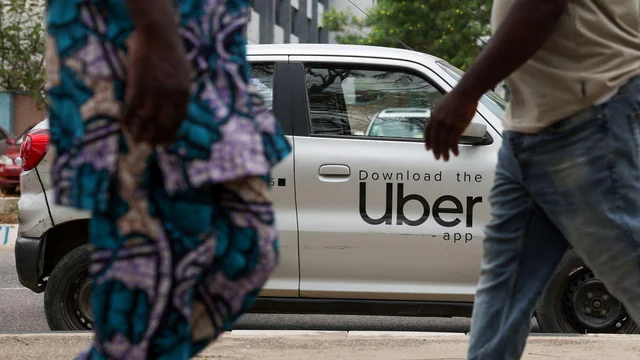
Uber launched in Kampala in 2016, introducing app-based, cashless ride-hailing to a market that had long relied on informal “special hire” taxis. Over the following years it expanded into motorcycle taxis (UberBODA) and helped popularize the broader digital mobility model now used across the city.
By some estimates, Uber said it had helped create more than 1,000 economic opportunities in Uganda through its car and motorcycle services in the years after launch. However, the exact size of its Ugandan rider and driver base at the time of closure has not been disclosed.
Part of a Wider African Retreat
Uganda is the fourth African market Uber has exited in under a year. The company previously withdrew from:

- Côte d’Ivoire — late 2025, after roughly six years of operation
- Tanzania — January 30, 2026, following years of regulatory friction and mounting competition
- Nigeria — September 2, 2026 (the same day as Uganda), ending 12 years in Lagos and Abuja
The Uganda and Nigeria closures also coincide with a broader global restructuring at Uber, which is cutting roughly 3,300 jobs — about 10% of its corporate workforce.
Uber has not publicly cited profitability or currency issues as reasons for the Ugandan exit. Analysts and local commentators point instead to a mix of factors reshaping ride-hailing economics across the continent: intensifying competition, regulatory uncertainty, rising fuel and vehicle costs, and pressure to keep fares affordable for price-sensitive riders while still protecting driver earnings.
Who Fills the Gap?
Uber’s departure leaves an opening in a Kampala market that has grown considerably more crowded since 2016. Competitors positioned to absorb displaced riders and drivers include:

- Bolt — one of the most established international players still operating in Kampala
- SafeBoda — originally a motorcycle-taxi platform that has since expanded into car-hailing through its SafeCar service, and has previously reported supporting more than 20,000 drivers and riders
- Faras and Yango — smaller but growing app-based platforms competing for market share
Drivers who previously relied on Uber are expected to migrate to these alternatives in the coming weeks, and industry watchers expect a period of adjustment as the market recalibrates around fewer major platforms.
What It Means for Travelers
For residents and visitors alike, the immediate effect is straightforward: the Uber app no longer connects riders with drivers in Uganda. Anyone with an active booking, pending payment, or account issue has a 21-day window to resolve it through Uber’s support channels before that access closes as well.
Travelers planning trips to Kampala and beyond will need to look to Uganda’s remaining ride-hailing apps, traditional taxi services, or private transportation providers like Uganda Car Rental Deal to get around.
You can email to info@ugandacarrentaldeal.com or call +256-779232316 to book a private rental car with or without a driver.