Uganda is one of Africa’s most rewarding safari destinations — dense rain-forests, sweeping savannah, mountain gorillas, and the legendary tree-climbing lions of Ishasha. But unlike guided tours where everything is arranged for you, a self-drive safari demands serious preparation. The difference between a magical adventure and a stressful ordeal often comes down to what you packed — and what you forgot.
If this is your first time taking the wheel through Uganda’s national parks, this survival guide has you covered.
Before You Even Pack: Know Where You’re Going
Uganda’s key safari destinations each have different terrain and demands. Bwindi Impenetrable Forest is steep, muddy, and wet. Queen Elizabeth National Park is vast and open. Kidepo Valley in the far north is remote with few amenities. Murchison Falls sits along the Nile and gets extremely hot by midday.
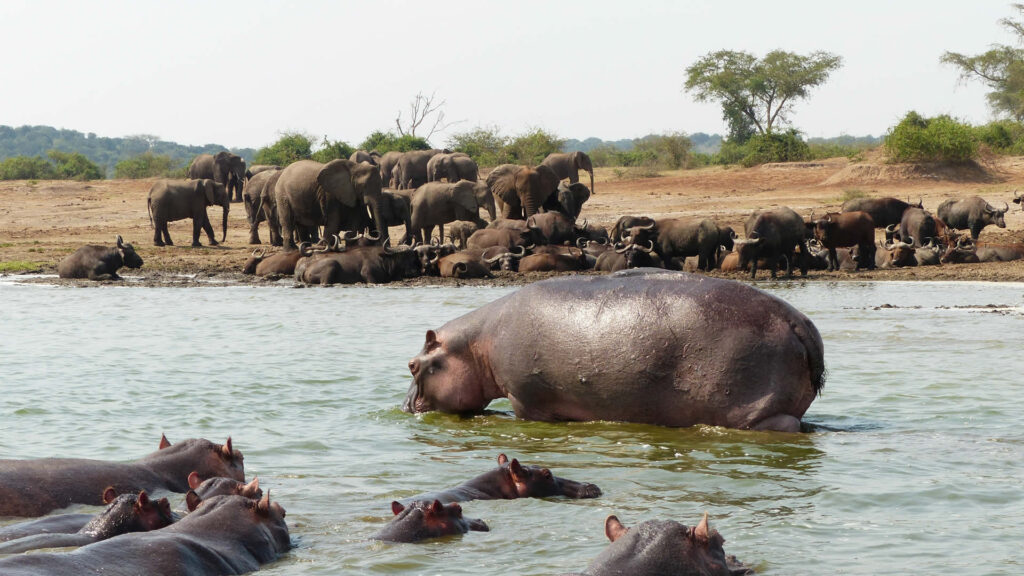
Research the roads and conditions for your specific route before deciding what to bring. Many tracks inside the parks are unpaved and can turn treacherous during the rainy seasons (March–May and October–November). A 4×4 vehicle with high clearance is not optional — it is essential.
The Vehicle Survival Kit
Your vehicle is your lifeline. Before departing, make sure it is equipped with:
- A full-size spare tyre (not just a run-flat) — punctures are common on murram roads
- A second spare tyre if heading to remote parks like Kidepo
- Tyre repair kit and foot pump — for minor punctures you can fix yourself
- Tow rope and recovery strap — if you get stuck in mud or sand
- Jumper cables — dead batteries happen, especially with older rental vehicles
- Jerry can with extra fuel — fuel stations are sparse outside major towns
- Basic toolkit: wrench set, screwdrivers, zip ties, duct tape, and a multi-tool
- High-lift jack and base plate — standard jacks sink into soft ground
- Torch and spare batteries — for night checks or emergencies after dark
Always carry the vehicle’s logbook, your valid driver’s licence, and your rental agreement. Police checkpoints are common, and having your documents in order avoids unnecessary delays.
Navigation and Communication
Do not rely solely on mobile data or Google Maps. Connectivity is unreliable inside most national parks.
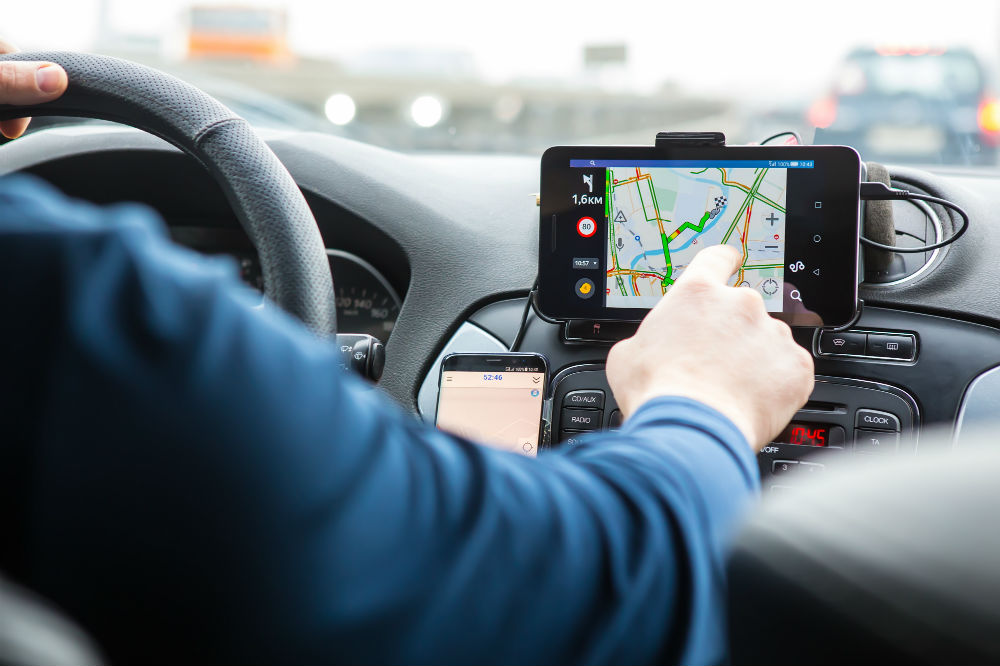
- Download offline maps via Maps.me or Google Maps before you leave Kampala
- Buy a local SIM card (MTN or Airtel Uganda) with a data bundle for areas with signal
- Carry a physical map of Uganda and the park you are visiting — Uganda Wildlife Authority (UWA) sells good ones at park gates
- A GPS device is worth the investment if you are doing multiple parks
- Satellite communicator (like a Garmin inReach) is strongly advised for truly remote routes like Kidepo
Let someone know your itinerary — your hotel, a friend, or your vehicle rental company — before heading into the bush.
Clothing and Personal Gear
Packing smart means packing light but strategically.
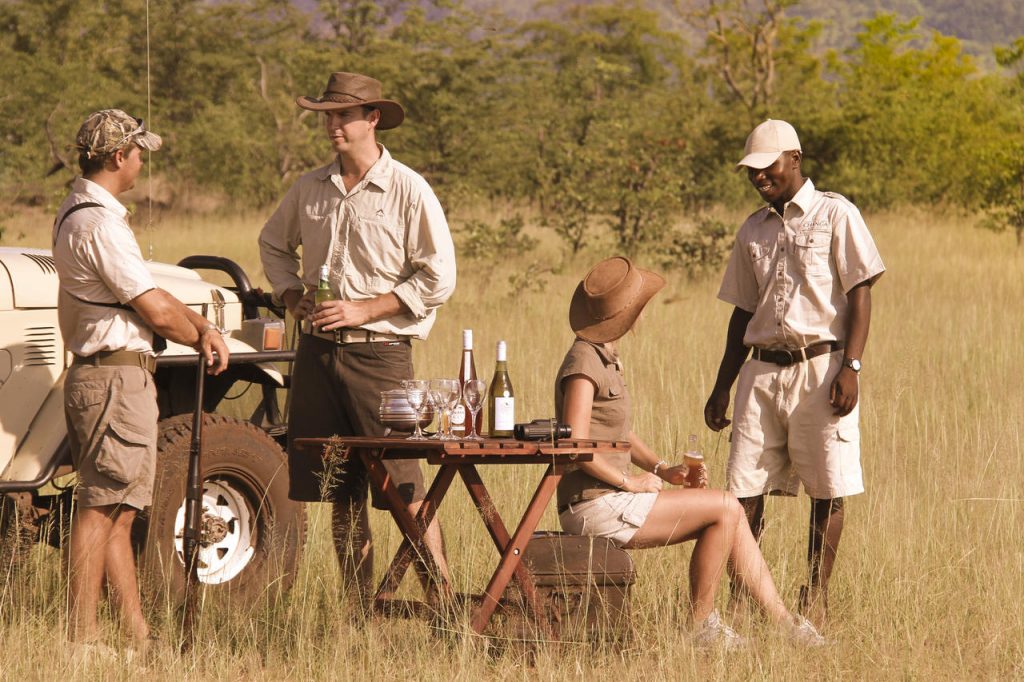
- Neutral-coloured clothing: khaki, olive, brown, and beige. Bright colours disturb wildlife and are discouraged in most parks
- Long-sleeved shirts and trousers: essential for gorilla trekking and protection against mosquitoes in the evening
- Waterproof rain jacket: afternoon downpours can appear without warning
- Sturdy, closed-toe hiking boots: mandatory for gorilla or chimpanzee treks
- Wide-brim hat and UV-protection sunglasses: the equatorial sun is relentless
- Fleece or light jacket: mornings in higher-altitude areas like Bwindi can be unexpectedly cold
- Gaiters: useful for muddy trails in forest parks
Health and First Aid
Uganda requires a Yellow Fever vaccination certificate for entry. Beyond that, consult your doctor about malaria prophylaxis — the risk is real and present across most of the country.
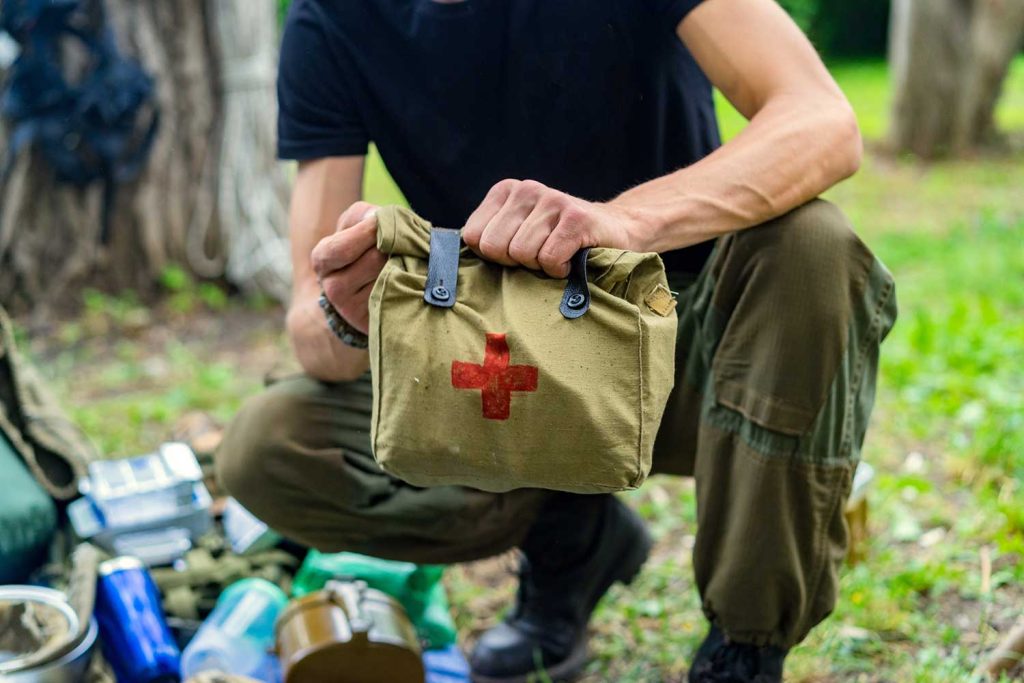
Your first aid kit should include:
- Antimalarial medication (prescribed)
- Antihistamines for insect bites and allergic reactions
- Oral rehydration salts — dehydration sneaks up on you in the heat
- Antiseptic wipes and wound dressings
- Ibuprofen and paracetamol
- Tweezers for thorns and ticks
- Insect repellent (DEET-based, at least 30%)
- Prescription medications in sufficient supply for your entire trip, plus extras
Carry a copy of your travel insurance details and the nearest hospital or clinic for each area you are visiting.
Food, Water, and Camp Essentials
Inside Uganda’s parks, food and clean water are not guaranteed.
- Water purification tablets or a filter bottle: tap water and river water should never be drunk untreated
- Carry at least 3–4 litres of water per person per day in the vehicle
- Non-perishable snacks: energy bars, nuts, dried fruit, and crackers keep you going between meals
- A small portable cooler box: invaluable for keeping drinks cool and storing perishables on multi-day drives
- Camping gear if you plan to use Uganda Wildlife Authority campsites: a good tent, sleeping bag, and mat
- Biodegradable soap and hand sanitiser
- Headlamp with extra batteries for camp use at night
Wildlife Viewing Extras
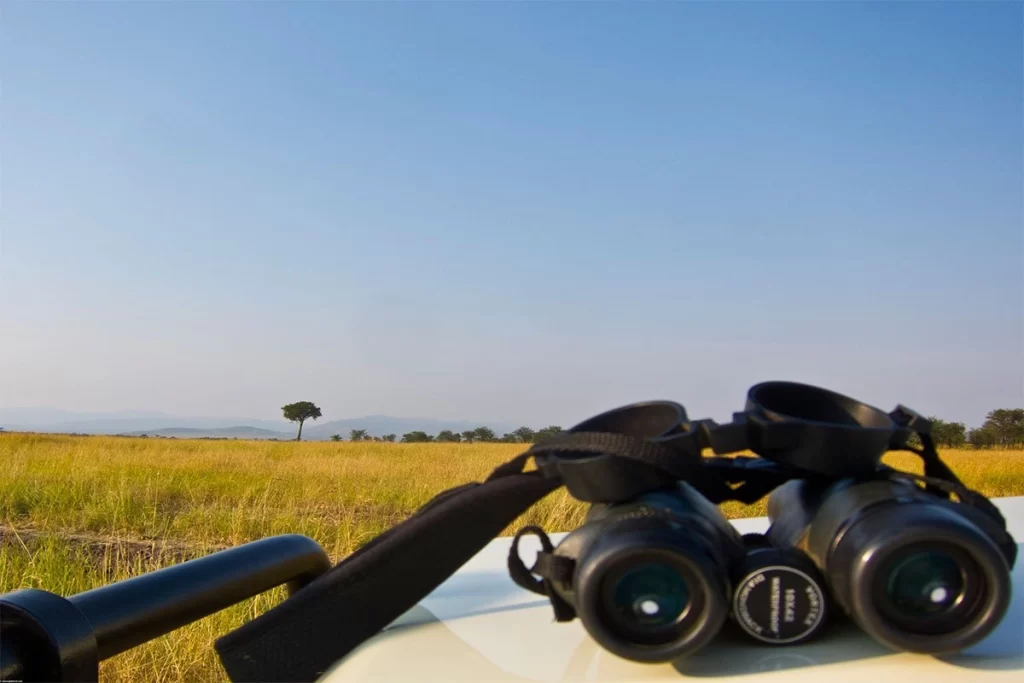
- Binoculars (8×42 is a solid choice): the difference between spotting and missing distant animals
- A good camera with a zoom lens: wildlife waits for no one
- Field guide to East African mammals and birds: half the fun is knowing what you are looking at
- Park entry fees in cash (Uganda Shillings or US Dollars): some gates do not accept cards
Final Thought
A self-drive safari in Uganda is one of the most exhilarating travel experiences on the continent — raw, unscripted, and deeply personal. But it rewards those who prepare. Pack with intention, respect the parks and their wildlife, and leave nothing behind but tyre tracks. The rest, Uganda will take care of.
Planning to self drive in Uganda and require a rental car for safari adventure- simply contact us now by sending an email to info@ugandacarrentaldeal.com or call us now on +256-700135510 to speak with the reservations team.