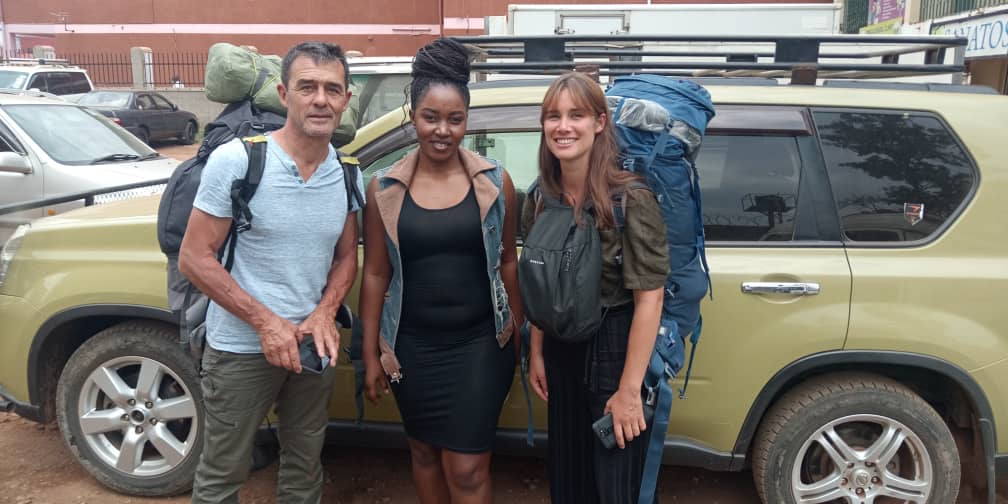
If you have ever tried to book a rental car in Uganda with or without a driver, you may have noticed that the price you are quoted does not always match what someone else is paying for the same vehicle. This is not a coincidence. Across East Africa — and Uganda in particular — car rental pricing often works on a two-tier system, where foreign tourists and local residents can end up paying very different amounts for what appears to be an identical service. Understanding why this happens, and how to navigate it, can save you significant money and frustration on your next road trip through the Pearl of Africa.
Why the Price Gap Exists
The difference in pricing between locals and tourists in Uganda comes down to a combination of market economics, perceived spending power, and the type of vehicle and service each group typically requires.

Foreign tourists — especially those arriving from Europe, North America, or Australia — are generally assumed to have higher disposable incomes than local Ugandans. Rental companies factor this into their pricing, often quoting rates in US dollars to international visitors while negotiating in Ugandan shillings with residents. Beyond that, tourists typically opt for more specialised vehicles, such as fully-equipped 4×4 safari Land Cruisers with pop-up roofs, which command a higher daily rate. Locals, on the other hand, are more likely to rent a basic saloon car or a budget SUV for city errands, business travel, or short upcountry runs.
There is also the matter of additional services. When a tourist books a safari car in Uganda, they often need extras bundled in — a professional driver-guide, GPS, camping gear, rooftop tent, and comprehensive insurance. Each of these additions inflates the final bill. A local business traveller renting the same vehicle, stripped of those extras, will naturally pay far less.
Typical Price Ranges: Tourists vs. Locals
For international tourists, daily car rental rates in Uganda typically range from $60 to $150 per day for self-drive 4×4 safari vehicles like the Toyota Land Cruiser or a Safari Van. This range reflects the specialised nature of the vehicle, full insurance, and the expectation of unlimited mileage across rough national park terrain. If a professional driver-guide is added, an extra $30–$50 per day is usually charged on top.
For local residents and long-term expats, rates are considerably lower, particularly for saloon cars and standard SUVs used within Kampala or on tarmac upcountry roads. Budget economy cars can be negotiated for as little as UGX 100,000–180,000 per day (roughly $25–$45), particularly for longer durations. Companies that offer long-term car rental in Uganda also provide significant discounts for residents booking by the week or month — discounts that are rarely advertised to walk-in tourists.
The Role of Vehicle Type
Much of the price disparity is tied directly to the vehicle category. Tourist pricing is dominated by heavy-duty 4×4 vehicles purpose-built for Uganda’s park roads and unpaved terrain. These include the Land Cruiser V8, the Prado TX with a pop-up roof, and the extended Safari Van — vehicles that are expensive to maintain and insure.
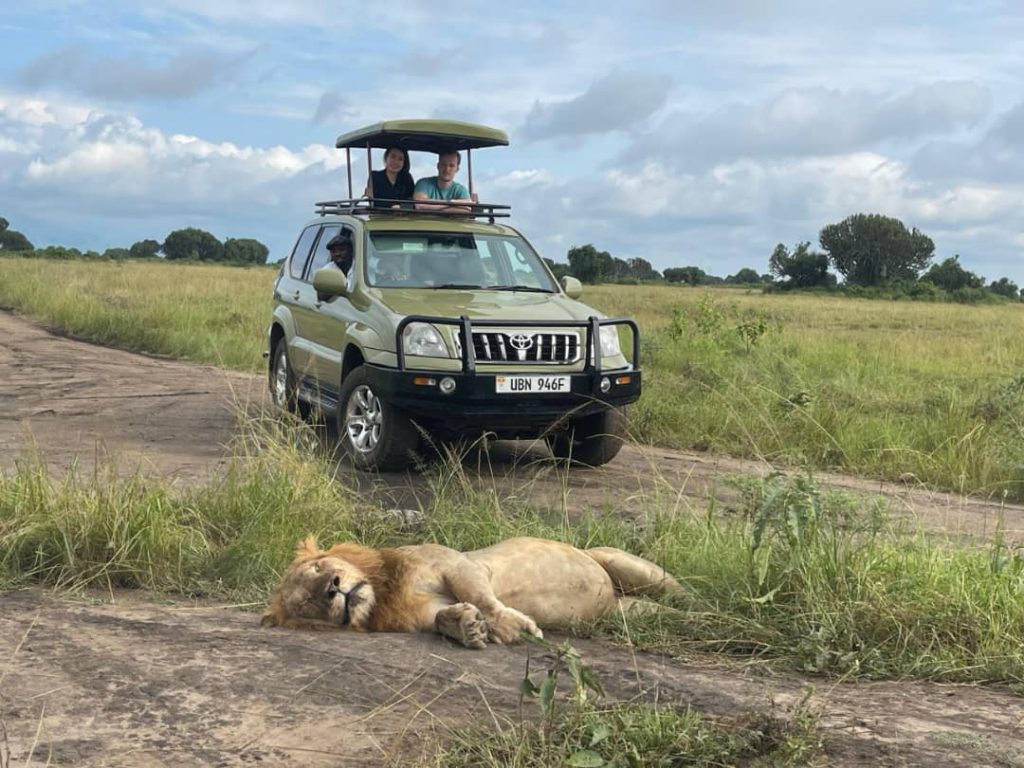
For those visiting national parks like Murchison Falls, Queen Elizabeth, or Bwindi, renting a tourist vehicle in Uganda is not just a luxury — it is a practical necessity. The tracks inside Uganda’s parks are not passable in a small saloon car, and no reputable rental company will allow a standard city vehicle to be taken off tarmac. This alone pushes tourist pricing into a higher bracket.
Local renters, however, rarely need a Land Cruiser for a trip from Kampala to Jinja or Mbale. A Toyota RAV4 or a Corolla serves the purpose perfectly well and costs a fraction of the price.
Self-Drive vs. Guided: Another Layer of Difference
Another pricing variable that tends to affect tourists more than locals is the choice between self-drive and driver-guided rental. Locals are largely comfortable self-driving, understand the road conditions, and do not need a guide to navigate. Tourists, particularly first-time visitors, often prefer — or are encouraged — to take a driver-guided car rental in Uganda, which adds a meaningful daily cost to the total.
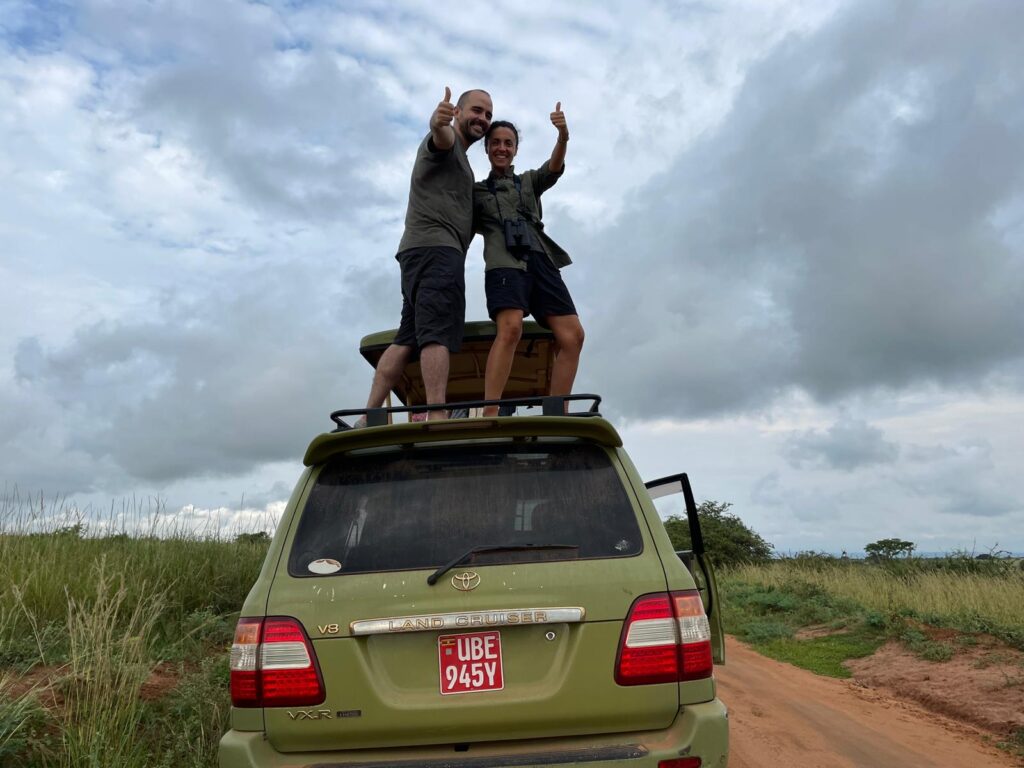
That said, the self-drive option has become increasingly popular among experienced travellers who want the freedom to set their own itinerary. If you opt for 4×4 self-drive in Uganda, you can keep costs significantly closer to what locals pay — provided you have a valid International Driving Permit and are comfortable on unpaved roads.
How Booking Affects the Price You Pay
Tourists who book through international travel agencies or OTAs (Online Travel Agencies) often pay a premium on top of the already-elevated tourist rate. Booking directly with a local rental company like Uganda Car Rental Deal typically gets you a better price, because there is no middleman commission built in.
Locals, on the other hand, often negotiate rates by phone or in person, especially for repeat or long-term rentals. They also benefit from referral pricing and seasonal discounts that are not always visible on a website.
If you are arriving in Uganda and need a quick Entebbe airport transfer, the rate quoted to a foreigner and a Ugandan resident may differ noticeably — the former is likely to be charged a flat tourist-friendly dollar rate, while a local might negotiate the same ride in shillings at a lower effective price.
Cross-Border Travel Adds to Tourist Costs
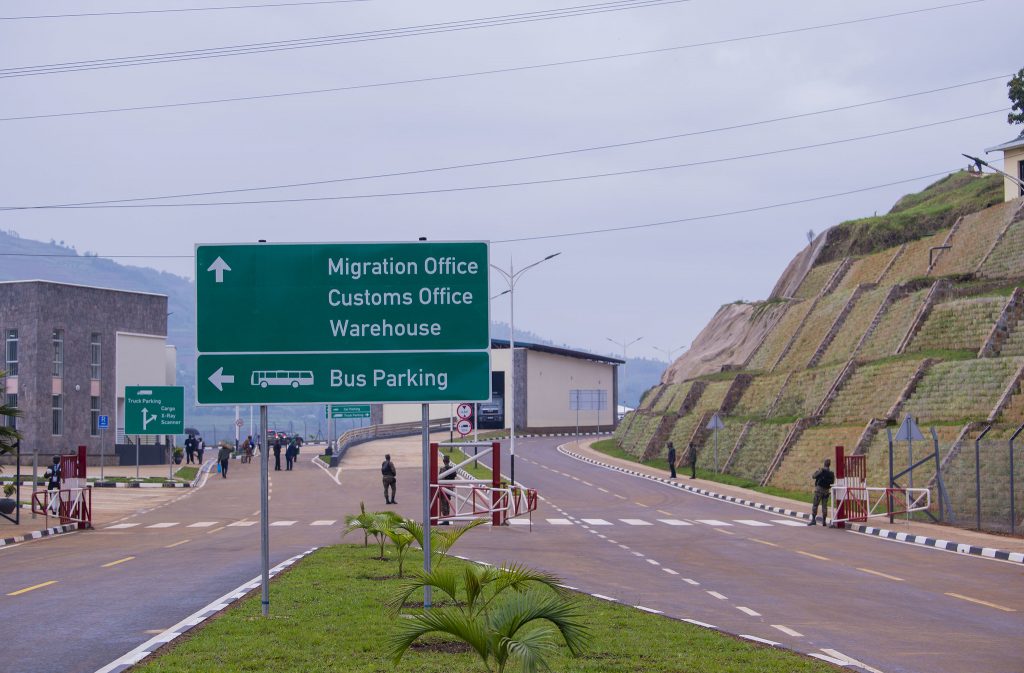
Many international visitors to Uganda also want to extend their adventure into Rwanda, Kenya, or Tanzania. The ability to cross borders with a rental car in Uganda is a service that almost exclusively attracts tourists, and it comes with additional fees for cross-border permits, extra insurance coverage, and sometimes a higher security deposit. Locals almost never have a need for this service, so it does not factor into their pricing at all.
Getting a Fair Deal as a Tourist
The good news is that the gap between tourist and local pricing is not fixed — it is negotiable. Here are a few practical steps to close that gap:
- Book for longer periods. The longer the rental duration, the lower the effective daily rate. A two-week booking will almost always yield a better per-day price than two separate one-week bookings.
- Rent directly. Going directly through a Ugandan-based company cuts out agency markups.
- Choose self-drive where possible. If you are a confident driver with an IDP, opting for self-drive removes the daily driver fee.
- Be flexible on vehicle. If you do not strictly need a V8 Land Cruiser, a RAV4 or a mid-range SUV can handle many Ugandan roads perfectly well at a lower daily rate.
- Ask about long-term discounts. Even if you only need the car for 10 days, it is worth asking whether a monthly rate applies.
Final Word
The price difference between what locals and tourists pay to rent a car in Uganda is real, but it is not arbitrary. It reflects genuine differences in vehicle requirements, service levels, insurance, and booking channels. As a visitor, the best way to protect your budget is to understand this dynamic, book directly with a reputable local rental company, and consider whether all the add-ons you have been quoted are truly necessary for your trip.
Whether you are planning a gorilla trekking adventure in Bwindi, a game drive in Kidepo, or a cross-country road trip along the shores of Lake Victoria, getting the right vehicle at a fair price makes all the difference. Contact Uganda Car Rental Deal today to get a personalized quote for your trip. You can email to info@ugandacarrentaldeal.com or call +256-700135510.