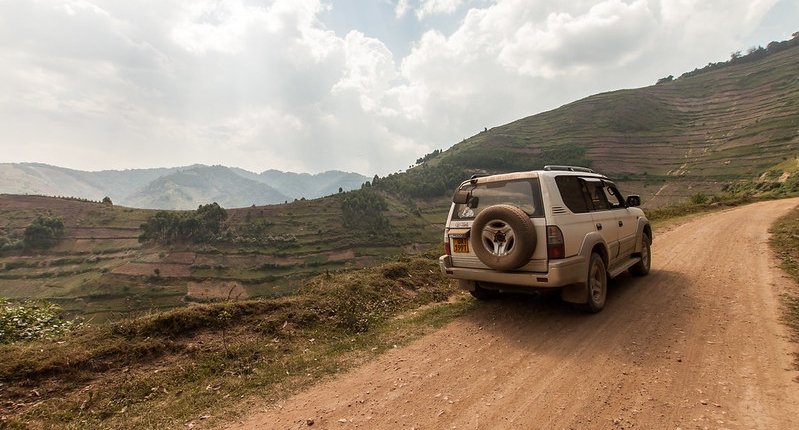
If you’re planning a self-drive gorilla trekking trip, the question comes up almost immediately: can you actually drive a rental car from Entebbe to Bwindi, or is this a route better left to a professional driver-guide? The short answer is yes, it’s absolutely doable — thousands of self-drive travelers do it every year. The longer answer involves distance, road surface, terrain, and choosing the right vehicle, all of which matter a lot more than most rental sites tell you upfront.
Here’s an honest, detailed breakdown of the route, so you know exactly what you’re signing up for.
How Far Is It, Really?
Bwindi Impenetrable National Park sits in Uganda’s remote southwest, and the drive from Entebbe covers roughly 470–550 kilometers, depending on your exact route and destination sector (Buhoma, Ruhija, Rushaga, or Nkuringo). In good conditions, expect the journey to take 8 to 9 hours of actual driving time — longer once you factor in fuel stops, a lunch break in Mbarara, and the inevitable slowdown through Kampala’s traffic if you’re not leaving at dawn.
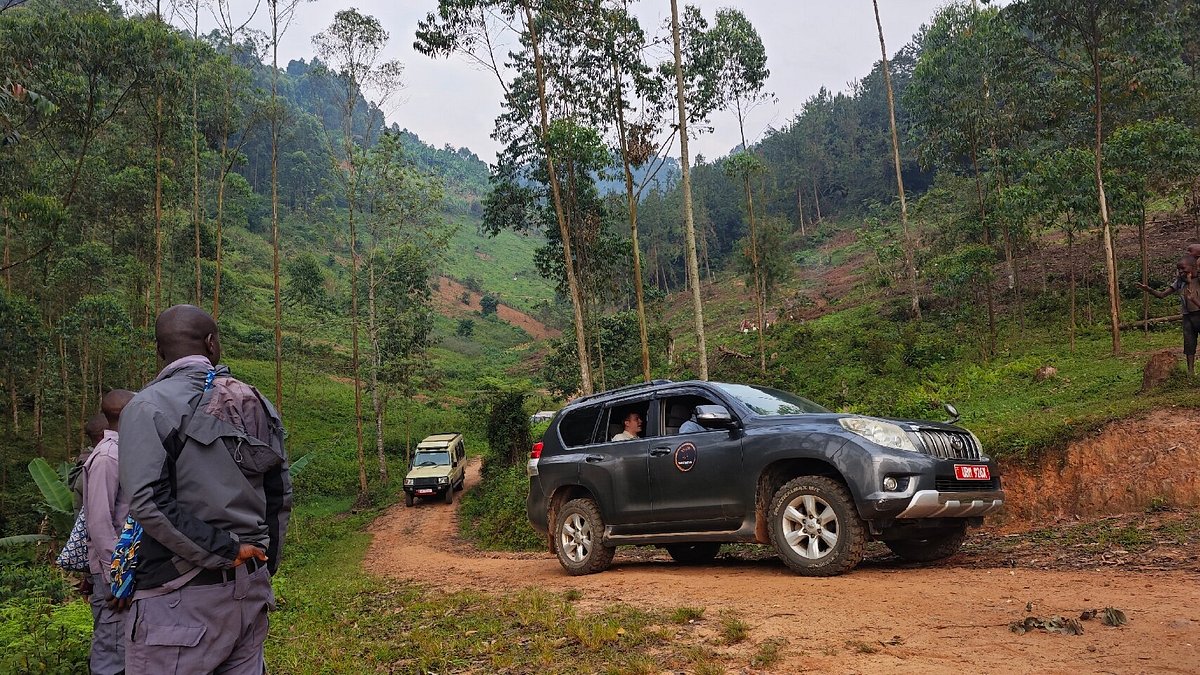
This is not a casual day drive. It’s a full-day commitment, and trying to squeeze it into an afternoon after a long-haul flight is one of the most common — and most avoidable — mistakes self-drive travelers make.
Breaking Down the Road: What You’ll Actually Drive On
Entebbe to Masaka to Mbarara (tarmac, good condition):
This first stretch is almost entirely paved highway, and in decent condition. You’ll pass through Masaka, cross the equator marker (a popular photo stop), and continue toward Mbarara. Traffic can be heavy leaving Entebbe and Kampala, but the road surface itself isn’t the issue here — timing and congestion are.
Mbarara to Kihihi/Kanungu (mixed tarmac and murram):
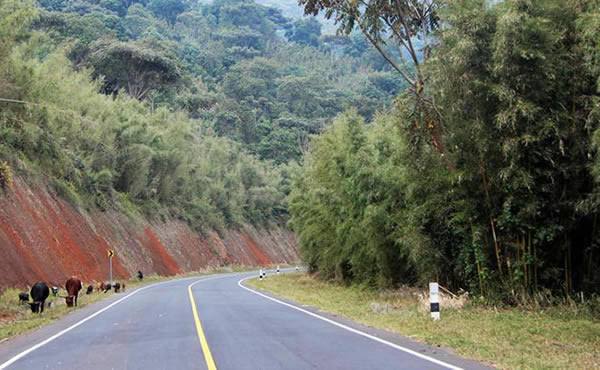
Past Mbarara, the road remains largely tarmac but begins winding through hillier terrain as you enter Uganda’s southwestern highlands. This section is scenic but slower going, with more curves and occasional stretches of rougher surface depending on recent maintenance.
The final stretch into Bwindi (murram, hilly, weather-dependent):
This is where the real character of the drive shows up. The last leg into whichever Bwindi sector you’re headed to — Buhoma, Ruhija, Rushaga, or Nkuringo — involves steep, winding, unpaved roads through dense hill country. In dry weather, this is manageable in a proper 4×4. In wet weather, it can become genuinely difficult, with mud, reduced visibility, and steep drop-offs that demand a confident, experienced driver.
If your route passes through the Ishasha sector of Queen Elizabeth National Park en route to Buhoma, be aware that this road is known to become impassable during heavy rains, with bridges sometimes affected. Many drivers use the alternate Ishaka–Rukungiri–Kihihi route instead when conditions are poor.
So — Can You Drive a Rental Car From Entebbe to Bwindi?
Yes, but the vehicle you choose matters enormously. Here’s how the options stack up:
A RAV4 or similar compact 4×4:
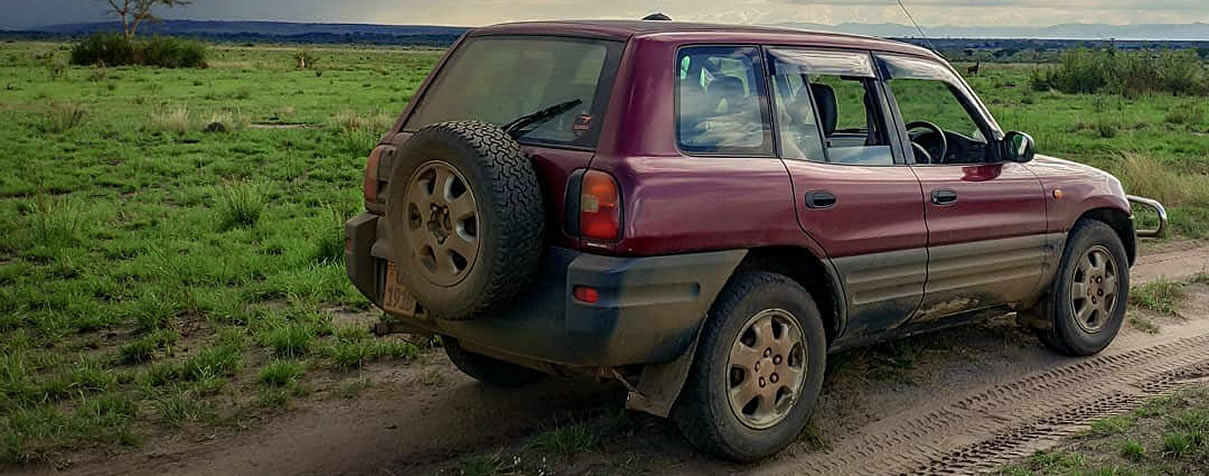
Fine for the tarmac sections, but the final unpaved approach into Bwindi — especially in wet weather — pushes past what this vehicle is really built for. Not recommended as your only option for this route, particularly outside the dry season.
A Land Cruiser Prado or similar mid-size 4×4:
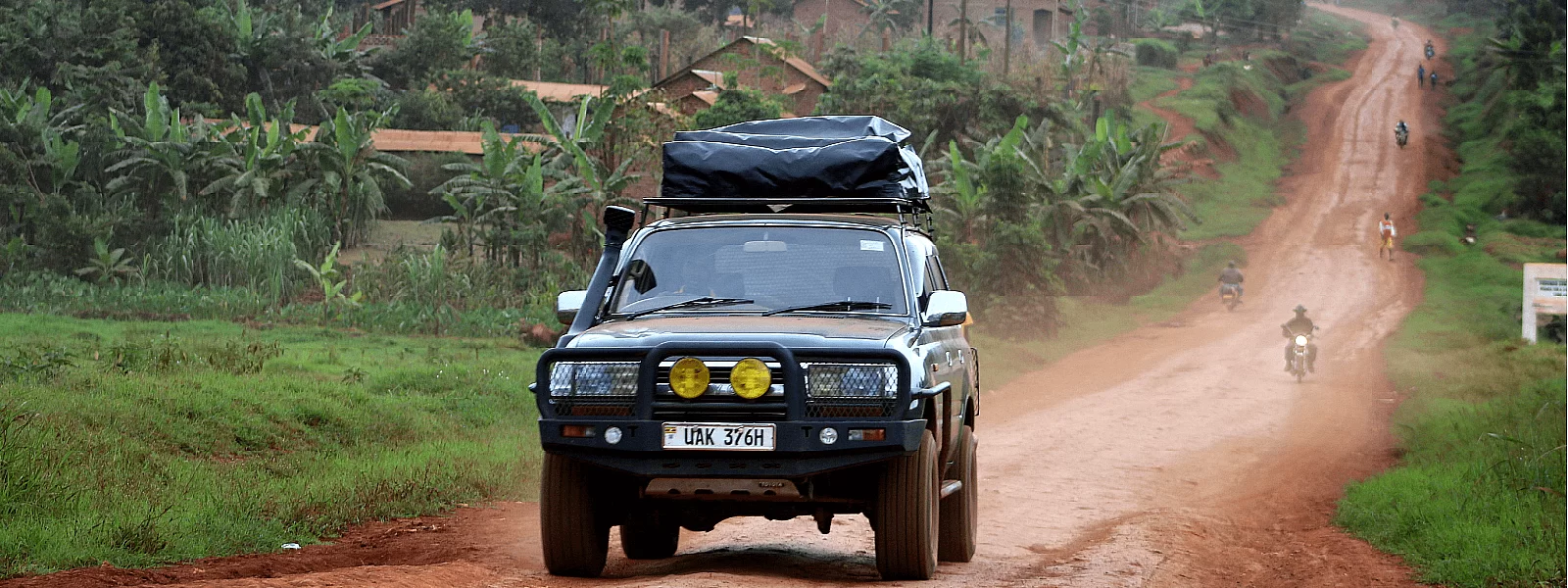
A solid, realistic choice. Higher ground clearance and better off-road manners than a RAV4, while still being manageable to drive solo. This is the vehicle most self-drive travelers end up choosing for the Entebbe–Bwindi route.
A full-size Land Cruiser (GX, V8, or extended):
The most confident option, particularly for groups, during the rainy season, or if your route includes Ishasha. More power and clearance for the steep, muddy final stretch, at a higher daily rental cost.
Tips for Driving the Entebbe–Bwindi Route Yourself
- Leave at first light. An early start means you clear Kampala’s traffic before it builds and reach Bwindi’s hilly final stretch while there’s still good daylight — you do not want to be navigating steep, unpaved switchbacks after dark.
- Break the trip up if you can. Some travelers stop overnight at Lake Mburo National Park roughly halfway, splitting the drive into two more relaxed days instead of one long push.
- Check the weather and road status before you go. Rainy season (March–May and September–November) significantly changes the difficulty of the final approach and the Ishasha route in particular.
- Fill up before the final stretch. Fuel stations become sparser as you get closer to Bwindi — top up in Mbarara or Kihihi rather than relying on availability near the park.
- Confirm your exact sector before booking a route. Buhoma, Ruhija, Rushaga, and Nkuringo are accessed via different roads, and picking the wrong route can add hours to your trip.
When It Might Be Worth Skipping the Drive
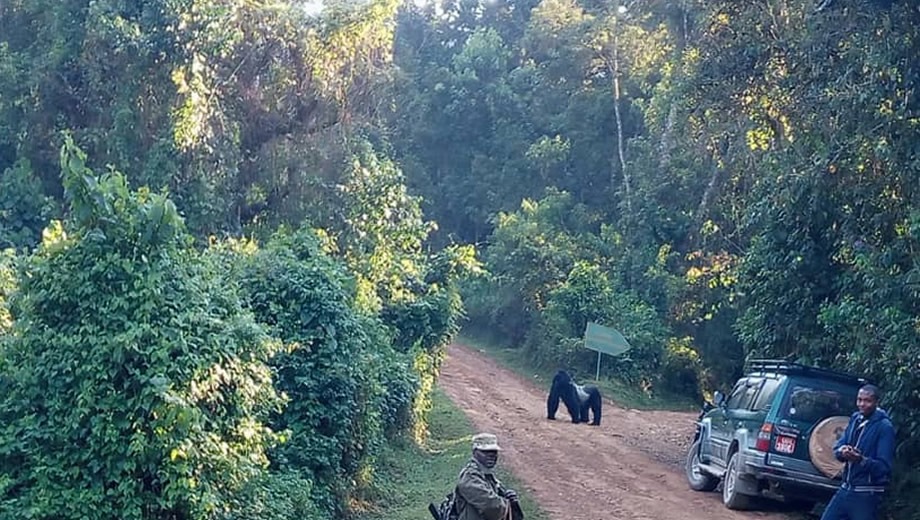
If your schedule is tight, if you’re arriving on an early international flight and trekking the next morning, or if you simply don’t want to spend two full days of a short trip behind the wheel, a domestic flight from Entebbe to Kihihi or Kisoro airstrip is a genuine alternative — cutting the journey down to about an hour, with ground transfer to your lodge on arrival. Many self-drive travelers use a hybrid approach: fly one direction and self-drive the other, or hire a driver-guide for this specific leg while self-driving the rest of their Uganda itinerary.
Final Verdict
You absolutely can drive a rental car from Entebbe to Bwindi, and plenty of travelers do it successfully every season. The tarmac stretch from Entebbe to Mbarara is straightforward; it’s the final, unpaved, hilly approach into the park that demands the right vehicle and a realistic amount of daylight. Choose a Land Cruiser Prado or larger 4×4 over a compact car, start early, and treat this as the full-day journey it is rather than a quick transfer — and the drive itself becomes one of the more memorable parts of the trip, not just a means to get there.
Book the Right Vehicle for Your Bwindi Drive
Planning to drive a rental car from Entebbe to Bwindi yourself? We’ll match you with a vehicle built for the route — and share our latest read on road conditions before you set off. Contact us now by emailing to info@ugandacarrentaldeal.com or call/chat with reservations team on +256-779232316.