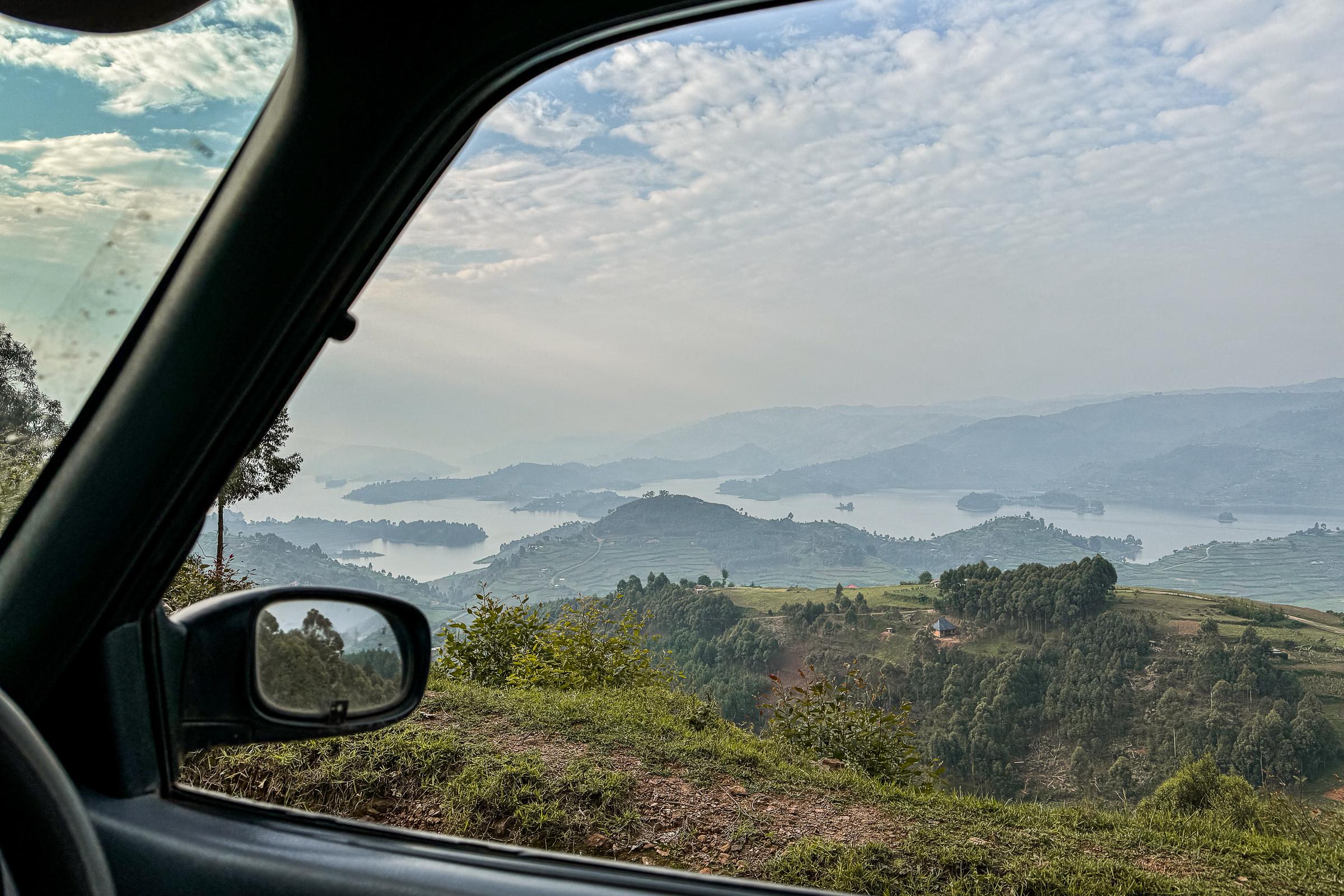
Uganda, often called the “Pearl of Africa,” offers an unparalleled adventure for those seeking a self-drive safari. With its diverse landscapes ranging from the lush forests of Bwindi Impenetrable National Park to the savannas of Queen Elizabeth and Murchison Falls National Parks, travelers can encounter gorillas, lions, elephants, and more in their natural habitats. Self-driving allows for flexibility, intimacy with nature, and cost savings compared to guided tours. However, it demands preparation due to rugged roads, wildlife encounters, and logistical challenges.
According to travel experts, self-drive safaris in Uganda have surged in popularity, with rentals like 4×4 vehicles becoming essential for navigating unpaved tracks. This article outlines seven crucial tips to ensure your trip is safe, enjoyable, and memorable. Whether you’re a seasoned adventurer or a first-timer, these insights drawn from experienced travelers will help you make the most of your journey.
Tip 1: Choose the Right Vehicle
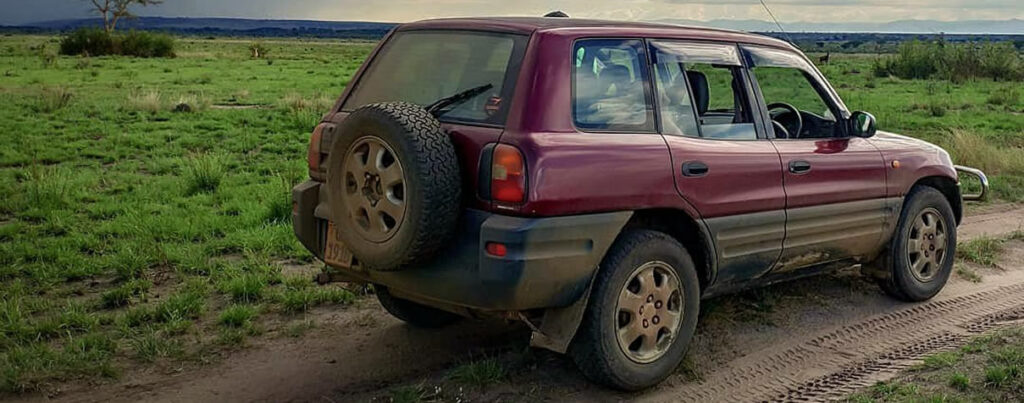
Selecting an appropriate vehicle is foundational for a successful self-drive safari in Uganda. Opt for a sturdy 4×4 like a Toyota Rav4 for couples or a Land Cruiser for groups, as many roads in national parks are rough, muddy, or unpaved, especially during rainy seasons. A vehicle with high ground clearance and four-wheel drive capability is non-negotiable to avoid getting stuck, which can incur hefty rescue fees. Consider options with pop-up roofs for better wildlife viewing and roof tents for budget camping. Rent from reputable companies that provide comprehensive insurance, a toolkit, spare tire, and emergency contacts. Inspect the car thoroughly upon pickup, checking brakes, lights, and fluids to prevent breakdowns in remote areas. This choice not only ensures safety but also enhances comfort on long drives between parks like Kidepo and Bwindi.
Tip 2: Plan and Book in Advance
Meticulous planning is key to avoiding disappointments. Book your vehicle, accommodations, and park permits months ahead, particularly during peak dry seasons (June-September and December-February) when demand spikes. Gorilla trekking permits in Bwindi, for instance, sell out quickly and cost around $700 per person. Create a flexible itinerary accounting for long distances—driving from Kampala to Murchison Falls can take 5-7 hours on varied roads. Research routes using maps or apps like Maps.me for offline navigation, and include buffer time for unexpected delays like roadworks or animal crossings. Consult rental agencies for recommended stopovers and safe lodges with positive reviews on platforms like TripAdvisor. Early booking secures better rates and allows for spontaneous detours, making your safari more relaxing and immersive.
Tip 3: Master Safe Driving Practices
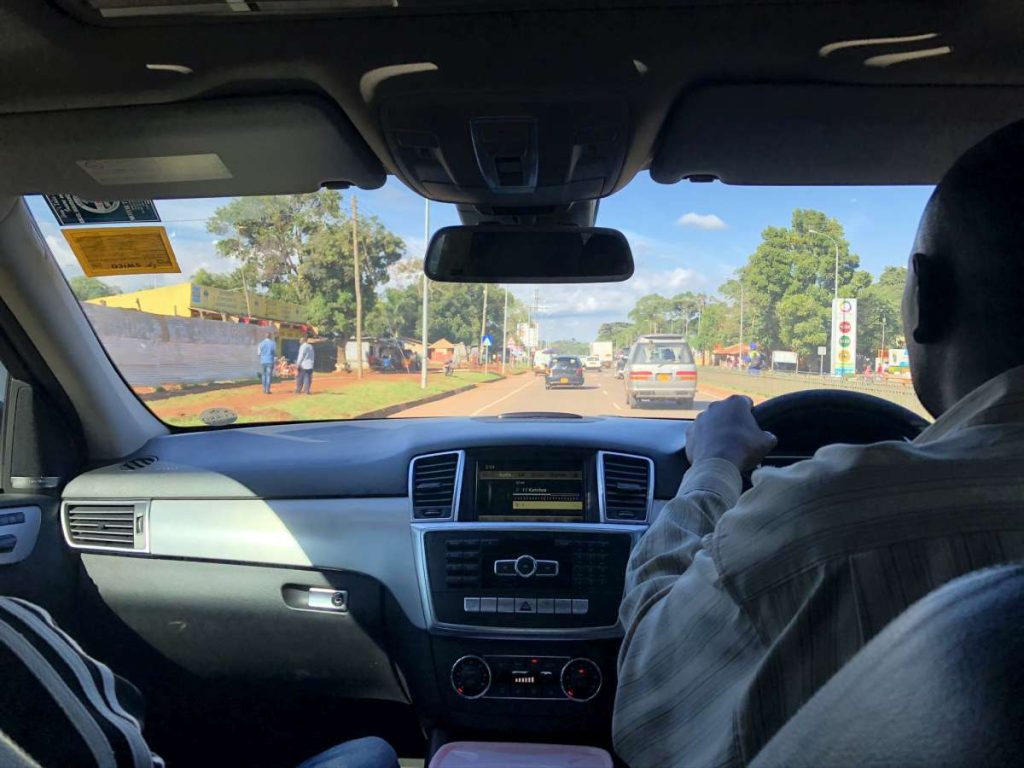
Driving in Uganda requires defensive techniques due to unpredictable conditions. Drive on the left side, adhere to speed limits (40 km/h in parks, 80-100 km/h on highways), and avoid night driving after 7 pm, as roads lack lighting and risks like potholes or wildlife increase. Expect police checkpoints; slow down and stop only if flagged. In parks, yield to animals—hitting one can lead to fines—and drive slowly to spot wildlife without startling them. Lock doors to deter opportunistic entries by monkeys or locals, and keep belongings hidden. Practice patience on bumpy “African massage” roads, adding 30% extra time for gravel sections. These habits minimize accidents and enhance the thrill of self-navigation through Uganda’s terrains.
Tip 4: Fuel Up and Maintain Vigilance
Fuel management is critical in remote areas. Never let your tank drop below half, and refuel at reputable stations like Shell or Total before entering parks, where stations are absent. Inspect your vehicle daily: check tire pressure, fluids, lights, and leaks to catch issues early. Carry a basic toolkit, jack, and spare tire, as flats are common on unpaved roads. Monitor for tampering at stops, like nails in tires. In rainy seasons, avoid dirt roads to prevent mud slides. This proactive approach ensures you don’t get stranded in places like Queen Elizabeth NP, allowing uninterrupted exploration.
Tip 5: Pack Essentials Wisely
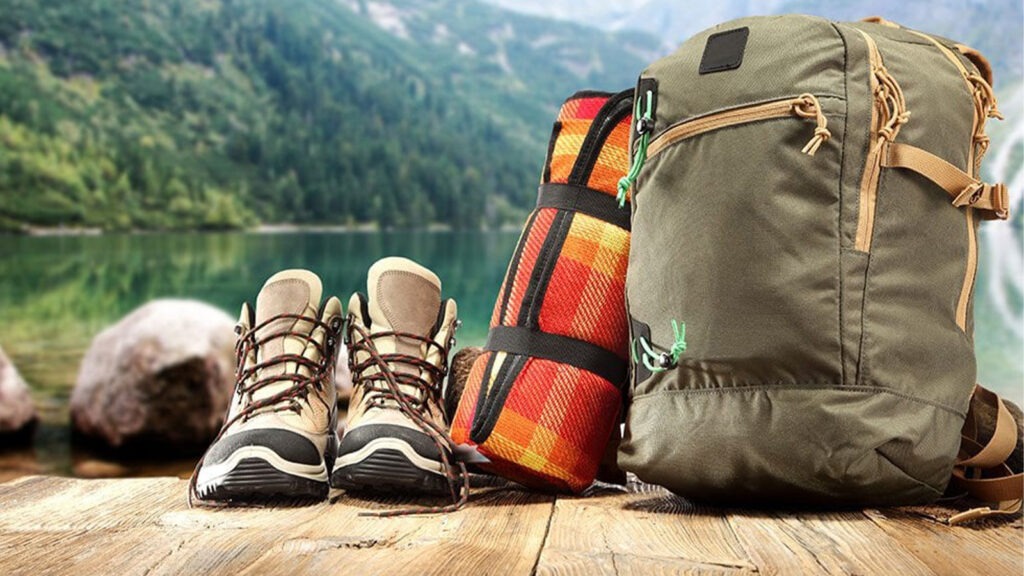
Smart packing elevates your experience. Bring neutral-colored clothing (khaki, olive) to blend in and avoid attracting insects; opt for quick-dry, sun-protective layers. Essentials include binoculars for distant sightings, a good camera with zoom lens, ample snacks, and at least 3L of water per person daily, as shops are sparse in parks. Don’t forget a first-aid kit, insect repellent, sunscreen, and medications for malaria-prone areas. For camping, include a roof tent setup. A local SIM card for data and calls is vital for emergencies or directions. Pack light but prepared, focusing on versatility to handle Uganda’s variable weather and terrains.
Tip 6: Optimize Wildlife Viewing Strategies
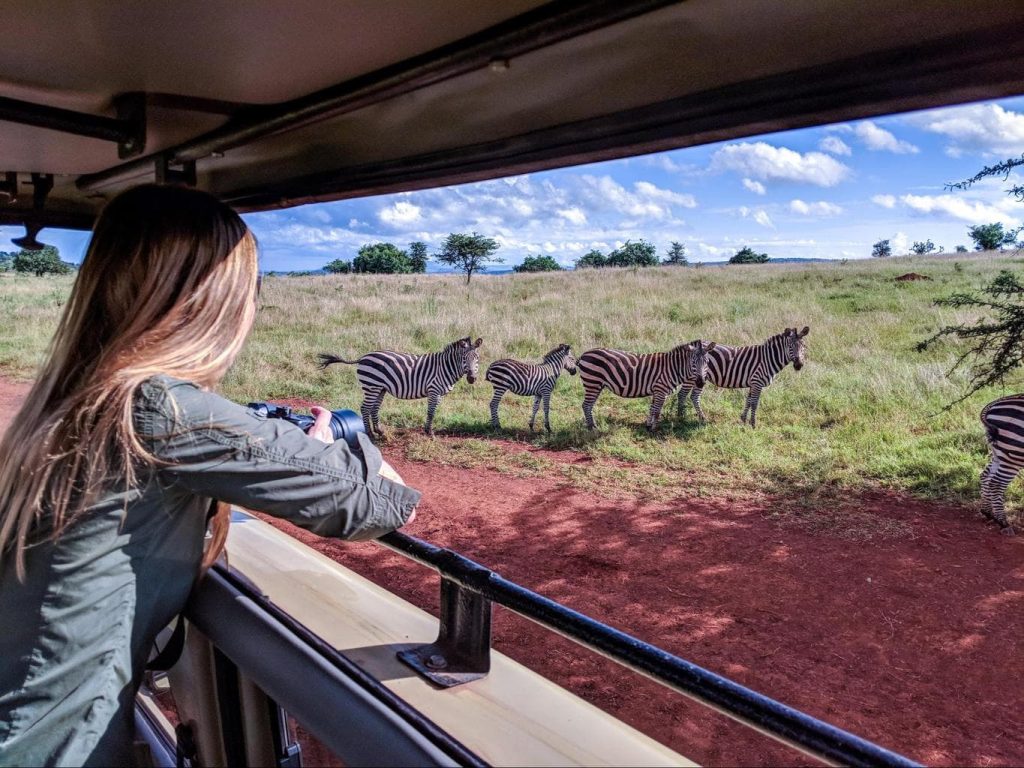
To maximize sightings, start game drives at dawn when animals are active—be the first out the gate for predators like lions. Drive slowly, listen for alarm calls from birds or herbivores indicating nearby threats, and watch where animals stare for hidden predators. Be patient at waterholes, especially in dry months, and switch off engines/lights to avoid disturbing wildlife. Chat with other drivers for tips on recent sightings, compensating for no guide radio network. Respect boundaries: stay on roads, use binoculars, and never harass animals for photos. This approach yields rewarding encounters with Uganda’s Big Five and beyond.
Tip 7: Prioritize Health, Safety, and Respect
Safety extends beyond driving. Get vaccinations for yellow fever and malaria prophylaxis; carry a health kit. Uganda is generally safe, but stay alert in urban areas and parks—lock valuables and avoid isolated spots. Respect local customs, wildlife, and environments: no off-road driving to preserve habitats. Have emergency numbers, including your embassy and rental company. Embrace the adventure, knowing challenges like flat tires build character. By prioritizing these, you’ll contribute positively to conservation while enjoying a transformative experience.
In conclusion, a self-drive safari in Uganda promises freedom and close wildlife encounters, but success hinges on preparation. Follow these tips to navigate challenges confidently, creating lasting memories in this vibrant country. With the right mindset, your road trip will be an epic tale of discovery. Safe travels!
To book a self drive car rental in Uganda today- simply contact us now by sending an email to info@ugandacarrentaldeal.com or call us now on +256-779232316.