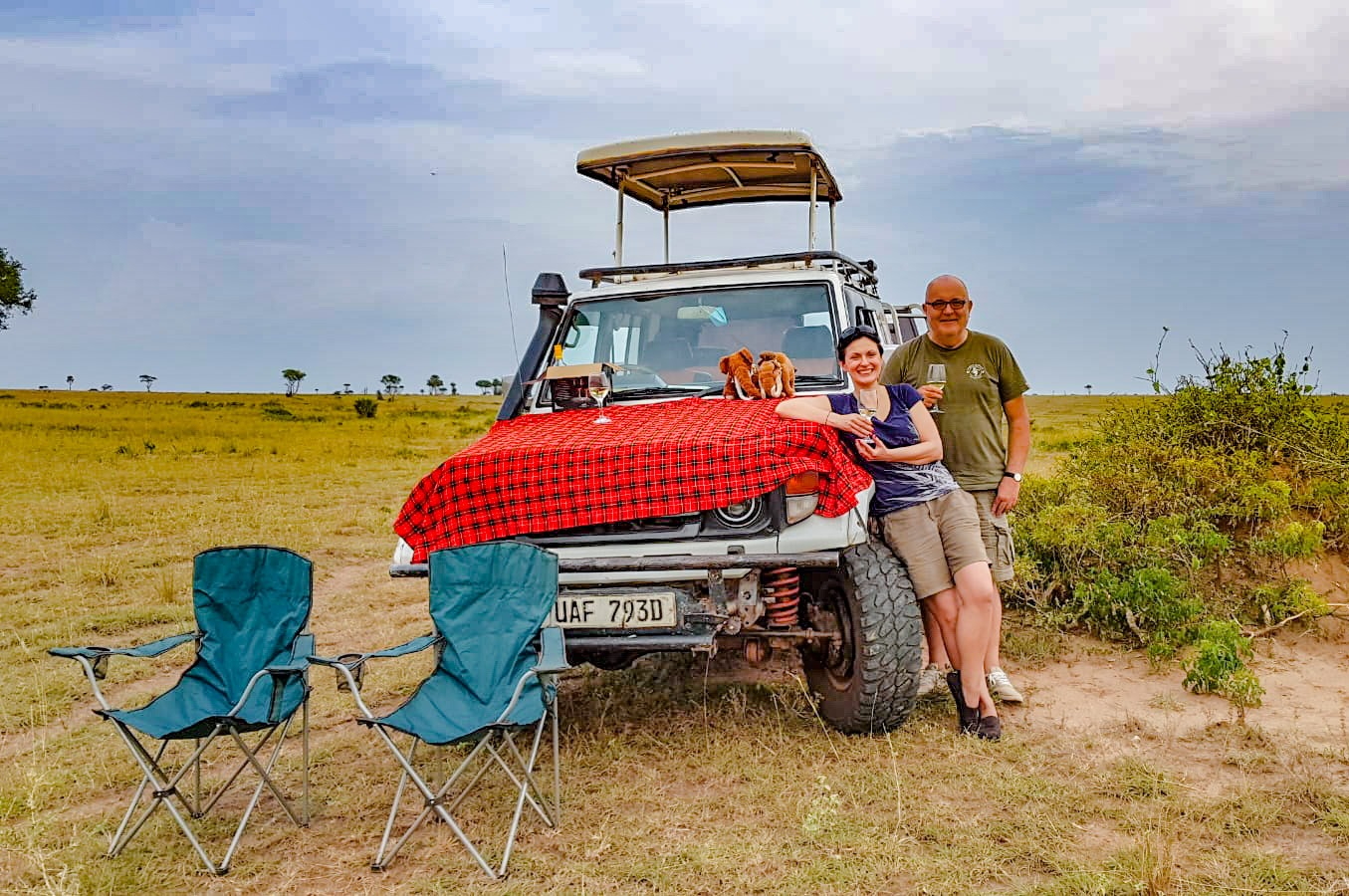
Every day, travelers planning a trip to Uganda open their laptops, search “cheap car rental Uganda,” and pick the first low-price option that pops up. It feels like a smart move — after all, a trip already comes with flights, park permits, accommodation, and activities to budget for, so shaving a few dollars off the daily rental rate seems like an easy win. It rarely turns out that way.
Uganda’s roads, terrain, and travel demands are unlike anywhere else. This is a country where a two-hour drive on Google Maps can turn into a four-hour journey once you factor in seasonal rain, unpaved stretches, and unpredictable traffic through trading towns. It’s a country where the difference between a well-serviced 4×4 and a poorly maintained sedan can be the difference between reaching Bwindi Impenetrable Forest on time for your gorilla trek — or not reaching it at all.
When it comes to Uganda car rentals, the price tag only tells part of the story. The real cost of a rental isn’t just what you pay upfront — it’s the sum of everything that happens (or doesn’t happen) during your trip. Here’s why chasing the lowest number can end up costing you far more than money, and what to look for instead.
1. The Hidden Cost of an Unreliable Vehicle
Uganda’s highways can be smooth one moment and unpaved, pothole-ridden, or muddy the next — especially on routes to Bwindi, Murchison Falls, Kidepo Valley, or Queen Elizabeth National Park. These aren’t roads you want to test with a vehicle that’s overdue for servicing, running on worn tires, or lacking a functioning 4×4 system.
A poorly maintained vehicle from a budget provider might save you $20 a day. But consider what’s actually at stake: a breakdown in the middle of a national park, hours from the nearest mechanic, with no cell signal and darkness approaching. Consider a punctured tire on a mountain pass with no spare, or a clutch that gives out on the steep, winding roads near Bwindi. These aren’t rare horror stories — they’re common outcomes of vehicles that were never built, or maintained, for Uganda’s terrain.
The consequences ripple outward fast: a missed gorilla trekking permit (which can cost $700 or more per person and typically cannot be refunded or rescheduled), a canceled game drive, an extra unplanned night at a lodge, or simply hours lost from a trip that was carefully planned around a tight schedule.
The real question isn’t “what’s the daily rate?” It’s “what happens if something goes wrong — and how prepared is my provider for that moment?”
A trustworthy rental company inspects and services its fleet regularly, matches the right vehicle to your specific route (a compact sedan has no business heading into Kidepo), and briefs you honestly on what terrain to expect.
2. Insurance Gaps That Show Up at the Worst Time
Many rock-bottom rental deals come with minimal, vague, or entirely absent insurance coverage — and it’s rarely obvious until you actually need it. Some contracts quietly exclude coverage for off-tarmac driving (which describes a large share of Uganda’s tourist routes), or set deductibles so high that you’re effectively self-insuring.
When an accident happens — and on unfamiliar roads, shared with boda-bodas, livestock, and pedestrians, it genuinely can — travelers are often shocked to discover they’re personally liable for repairs, towing fees, or even third-party damages. Towing alone, from a remote park area back to Kampala, can run into hundreds of dollars. Add vehicle repair costs, and a “cheap” rental can quickly become the most expensive part of your entire trip.
A reputable Uganda car rental company will walk you through exactly what’s covered, what isn’t, what your excess/deductible is, and what documentation you need in case of an incident — before you ever get behind the wheel. That clarity is worth far more than a discount, because it removes the financial guesswork from an already stressful situation.
Ask direct questions before booking: Does the insurance cover off-road or unpaved routes? Is there a 24-hour claims process? What’s the deductible in the event of an accident? If a provider hesitates to answer clearly, that hesitation is itself an answer.
3. Experience and Local Knowledge Matter
The cheapest providers often cut costs by skipping the things that actually make a trip smooth: a driver-guide who knows which roads flood during the rainy season, which shortcuts save two hours en route to Fort Portal, how to time the drive to avoid Kampala’s notorious traffic, or how to navigate a police checkpoint calmly and without delay.
This kind of knowledge isn’t a luxury add-on — it’s often what separates a relaxed safari from an exhausting one. A local expert knows, for instance, that the road to Murchison Falls via Masindi behaves very differently after heavy rain than the alternative route, or that certain fuel stations are the last reliable option before a long stretch of park roads. Self-drive travelers without this guidance often find themselves improvising in real time, sometimes in areas with no signal and no easy way to ask for help.
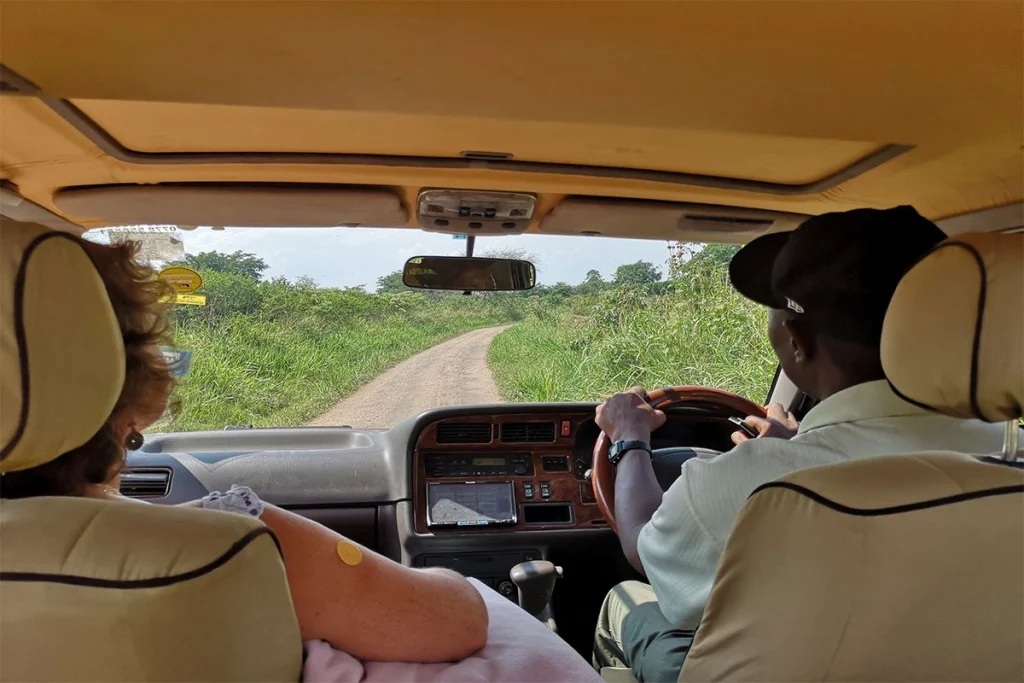
Established rental services bring this local expertise as standard — through detailed route briefings, well-trained driver-guides for those who want them, and honest, practical advice tailored to your specific itinerary. That expertise turns a potentially stressful drive into part of the adventure, rather than a source of anxiety.
4. Support When You Need It Most
What happens if your car has a flat tire at 9 PM, two hours from Kampala? Or if the engine warning light comes on halfway through a five-hour drive to Kidepo? Budget operators with thin margins often have limited — or no — roadside support. Some are only reachable during business hours, or take days to arrange a replacement vehicle.
Trusted providers, by contrast, offer 24/7 assistance, a network of mechanics across the country, replacement vehicles when needed, and — most importantly — real people who pick up the phone and actually help. That peace of mind is invisible until the moment you desperately need it, and then it’s everything. It’s the difference between a minor inconvenience resolved within an hour and a full day lost to a problem you never anticipated.
5. The True Cost Comparison: Cheap vs. Value
It’s worth putting real numbers to this. Imagine two options for a 7-day self-drive trip:
- Budget Option: $40/day, minimal insurance, no roadside support, older vehicle. Total: $280.
- Value Option: $55/day, comprehensive insurance, 24/7 support, well-serviced 4×4. Total: $385.
On paper, the budget option saves $105. But factor in even one realistic scenario — a $250 towing fee, a $150 insurance deductible, or a missed $700 gorilla permit due to a breakdown — and the “savings” evaporate instantly, often turning into a net loss. Value pricing isn’t about spending more for its own sake; it’s about paying for the protections and reliability that make the rest of your trip possible.
6. Your Safety Is Not a Line Item
At the end of the day, a rental car in Uganda isn’t just transportation — it’s the vehicle, quite literally, for your safety, your schedule, and your memories. Choosing a provider based on price alone treats safety as a line item to minimize, rather than the priority it should be. Uganda has so much to offer — the primates, the landscapes, the warmth of its people — and none of that is best experienced while worrying about whether your vehicle will make it to the next town.
7. The Smarter Way to Choose
This doesn’t mean the most expensive option is automatically the best one either. The goal is value, not just price:
- Well-maintained, regularly serviced vehicles
- Transparent, comprehensive insurance
- Drivers or support teams who know Uganda’s roads
- Responsive customer service, day or night
- Honest pricing with no hidden fees
At Uganda Car Rental Deal, we’ve built our reputation on exactly these principles — because we believe every traveler deserves a journey that’s safe, smooth, and worry-free, not just cheap. To book a rental car in Uganda today, simply contact us now by emailing to info@ugandacarrentaldeal.com or calling +256-700135510.