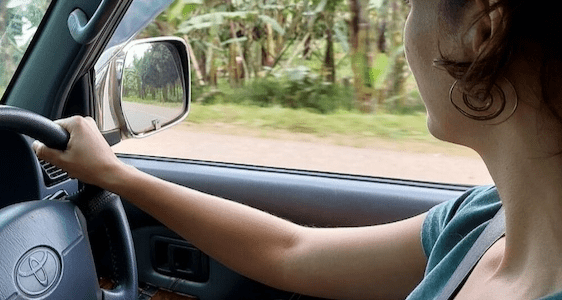
There is a particular kind of freedom that comes with self-driving in Uganda — steering your own route through misty highlands, pulling over to watch a troop of baboons cross the road, arriving at a remote park gate with nobody’s schedule to follow but your own. Uganda is one of East Africa’s most rewarding self-drive destinations, compact enough to cover multiple parks in one trip yet wild and diverse enough to keep every kilometer interesting.
But to self drive Uganda is not like renting a car in Europe. The roads, the terrain, the wildlife, and the distances demand preparation. This guide covers everything — vehicles, routes, park fees, road warnings, and packing essentials — so you can explore Uganda with total confidence.
Choosing the Right Vehicle
This is the single most important decision you will make. Uganda’s roads range from smooth tarmac highways to steep, rocky murram tracks that punish under prepared vehicles.
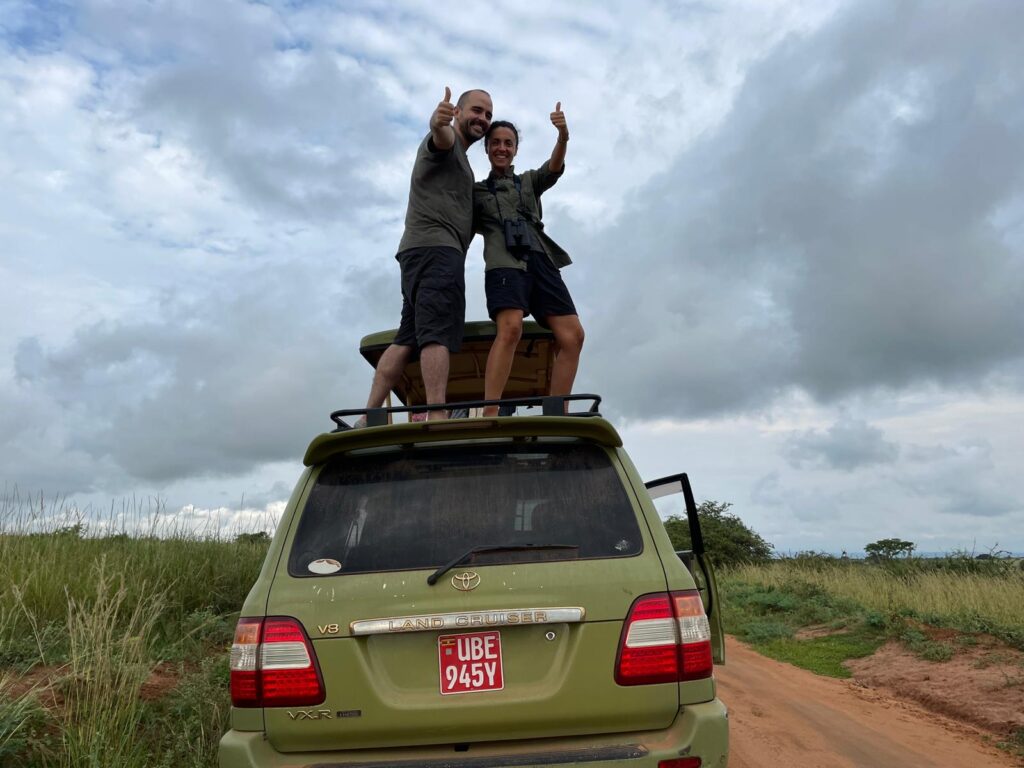
Toyota Land Cruiser (4WD) is the gold standard for Ugandan self-drive safaris. Its high ground clearance, powerful 4WD system, and spacious interior make it capable on any terrain in any season. It is the recommended vehicle for Bwindi, Kidepo Valley, and the Ishasha sector of Queen Elizabeth National Park.
Toyota Land Cruiser Prado offers the same rugged capability in a more refined package — ideal for couples and small families who want performance and comfort on long drives between parks.
Toyota RAV4 (4WD) is the smart budget choice. It handles main park roads and dry-season tracks very well and is excellent value for solo travelers or couples visiting during June to September or December to February.
Safari Minivan with pop-top roof is the best option for groups of six to eight. Roof hatches for game viewing, panoramic windows, and ample luggage space make it a practical and affordable group solution.
The rule of thumb: if your itinerary includes Bwindi, Kidepo, Ishasha, or travel during the rainy season, book a full-size 4WD. A saloon car or standard sedan will not make it reliably, and attempting those roads in the wrong vehicle can strand you hours from the nearest town.
Key Uganda Self-drive routes from Kampala
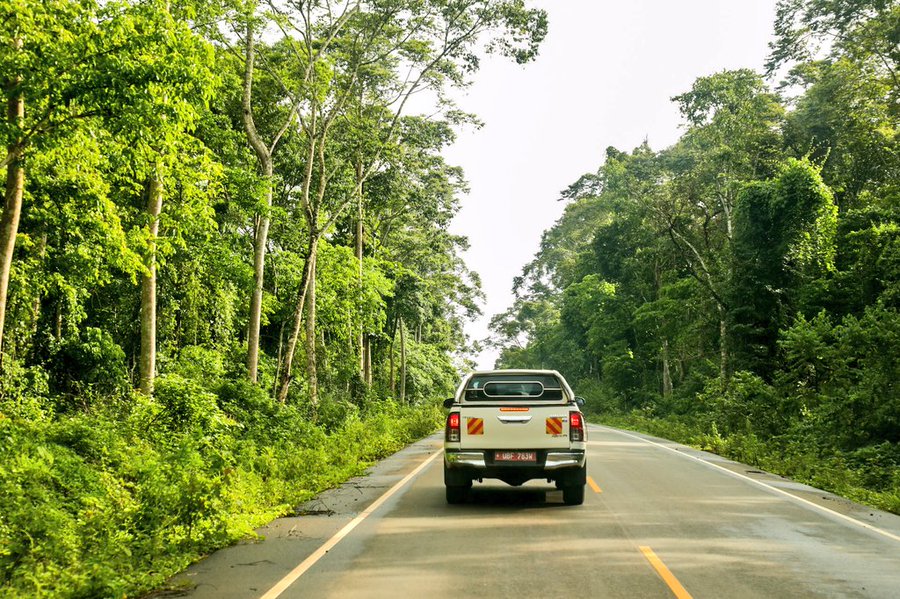
Kampala to Murchison Falls National Park (305 km | 5–7 hours) The most popular long-distance safari route in Uganda. The road via Masindi is well-tarmacked for most of the journey. Inside the park, murram tracks become very muddy after heavy rain — always engage 4WD from the Budongo Forest junction onward.
Kampala to Bwindi Impenetrable National Park (485 km | 8–10 hours) Uganda’s most dramatic drive. Smooth tarmac via Masaka and Mbarara gives way to steep, narrow mountain roads from Kabale to the park gate. Never attempt the Kabale–Bwindi stretch after dark — the sharp bends and unguarded drops demand full daylight visibility.
Kampala to Queen Elizabeth National Park (415 km | 6–7 hours) A good tarmac road via Mbarara and Kasese. Game tracks near the Kazinga Channel can be challenging, and the southern Ishasha sector — famous for tree-climbing lions — has very poor road conditions year-round. A Land Cruiser is strongly recommended for Ishasha.
Kampala to Kibale National Park (320 km | 5–6 hours) Excellent tarmac all the way to Fort Portal, with only a short murram stretch to park headquarters at Kanyanchu. The closest major park to Kampala and a great option for a shorter trip combining chimpanzee tracking with the Rwenzori Mountains.
Kampala to Lake Mburo National Park (228 km | 3–4 hours) Uganda’s shortest safari drive and ideal for a weekend trip. Good tarmac to within a few kilometres of the gate. A reliable RAV4 handles this route comfortably in the dry season.
Kampala to Kidepo Valley National Park (700 km | 10–12 hours) Uganda’s most remote and arguably most spectacular park. Long distances, minimal infrastructure, and isolated stretches of rough track make this a serious undertaking. A full-size Land Cruiser with a rooftop tent, extra fuel, and provisions is the only sensible approach.
National Park Entry Fees at a Glance
Uganda Wildlife Authority (UWA) fees are quoted per person per day for non-residents, plus a separate vehicle fee at most gates.
Murchison Falls NP — USD 40 entry + USD 30–50 vehicle fee. Highlights: the falls, Big Five game drives, Nile boat cruise. Recommended stay: 2–3 nights.
Bwindi Impenetrable NP — USD 800 gorilla trekking permit + USD 40 park entry. Highlights: mountain gorilla trekking. Book permits months in advance through the Uganda Wildlife Authority website. Recommended stay: 2–3 nights.
Queen Elizabeth NP — USD 40 entry + USD 30 vehicle fee. Highlights: tree-climbing lions in Ishasha, Kazinga Channel boat cruise, chimpanzee tracking in Kyambura Gorge. Recommended stay: 2 nights.
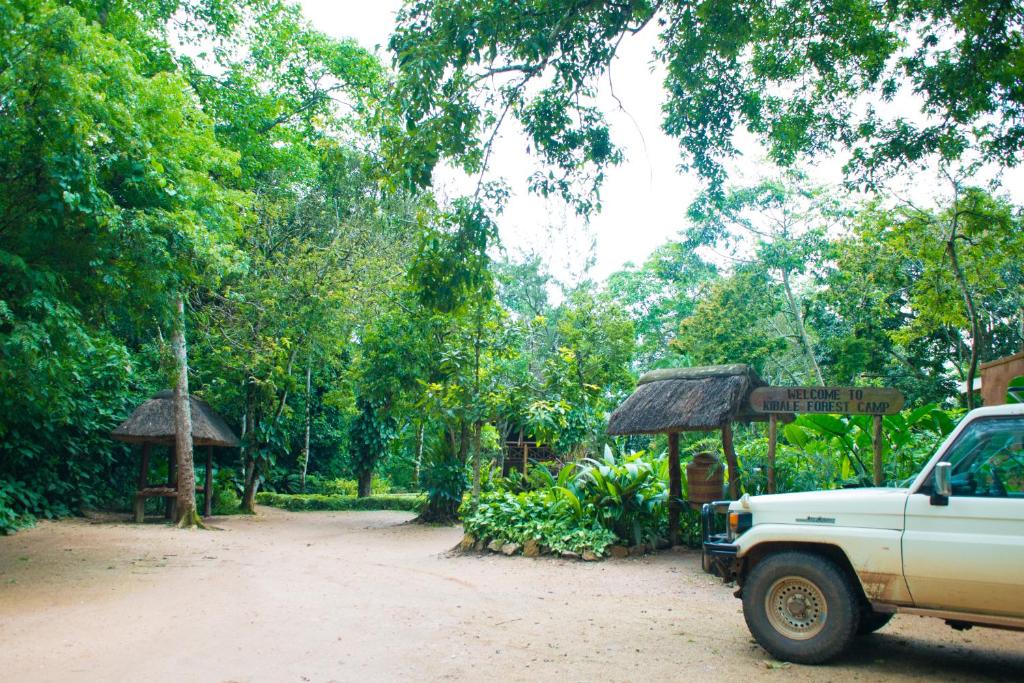
Kibale National Park — USD 250 chimpanzee tracking permit + USD 40 entry. Highlights: the highest density of primates in Africa, 13 primate species. Recommended stay: 1–2 nights.
Kidepo Valley NP — USD 40 entry + USD 30–50 vehicle fee. Highlights: remote wilderness, lions, cheetah, ostriches, Karamojong culture. Recommended stay: 3 nights minimum.
Lake Mburo NP — USD 40 entry + USD 25 vehicle fee. Highlights: zebra, hippos, impalas, lakeside boat trips. Great for a quick weekend safari. Recommended stay: 1–2 nights.
Essential Self-Drive Tips
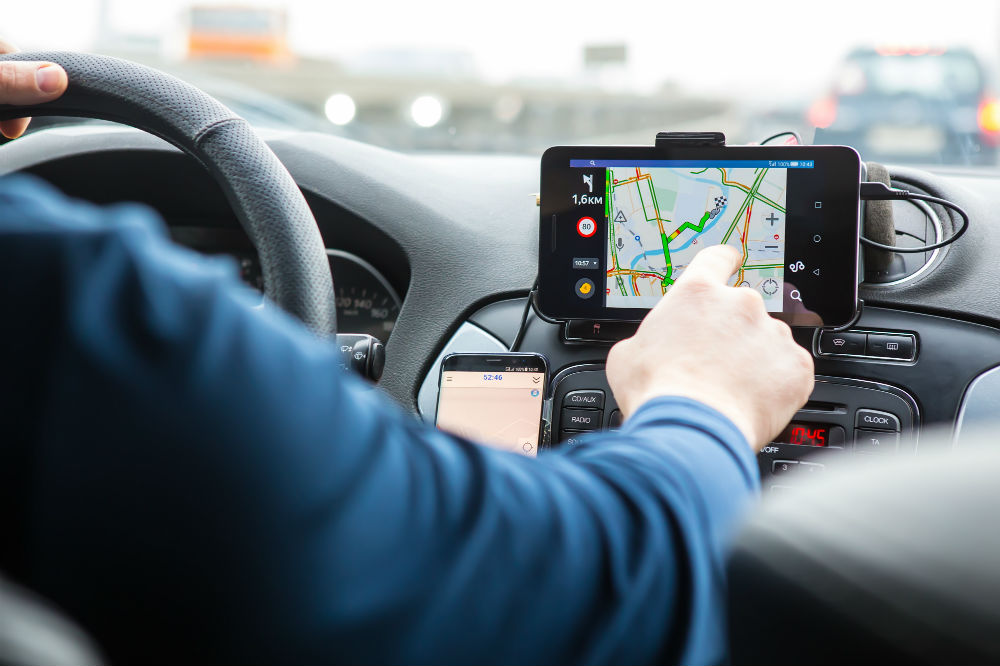
Start by 6:00 AM — every time. Kampala’s traffic is formidable and can easily add two hours before you even reach the open highway. An early departure also ensures you arrive at remote park gates well before sunset.
Download offline maps before you leave Kampala. Mobile data signals weaken significantly past Mbarara and are absent near most park gates. Google Maps and Maps.me both offer reliable offline downloads — do this on hotel or city Wi-Fi.
Top up fuel at the last major town before each park. Reliable last fuel stops are Masindi for Murchison Falls, Kabale for Bwindi, Kasese for Queen Elizabeth, Fort Portal for Kibale, and Kitgum for Kidepo. Carry a 10–20 litre jerry can on any route beyond these points.
Book gorilla and chimpanzee permits well in advance. Gorilla trekking permits at USD 800 per person sell out weeks or months ahead, especially from June to September and December to February. Secure these through the UWA website before confirming your travel dates and vehicle booking.
Carry USD cash in small denominations. ATMs are available in Kampala, Mbarara, and Kabale but absent near parks. USD 1, 5, 10, and 20 notes are useful for gate fees, tips, and accommodation deposits throughout your journey.
Engage 4WD before you need it, not after. Switch into 4WD before entering obviously rough terrain — wet murram sections, steep descents, and any approach to river crossings. Waiting until you are stuck is far more damaging to both the vehicle and your schedule.
Observe speed limits and drive defensively through towns. The national limit is 80 km/h on highways and 50 km/h in built-up areas. Boda bodas (motorcycle taxis) are unpredictable at every junction — slow right down through Masaka, Mbarara, Kabale, Fort Portal, and Gulu.
Check seasonal road conditions before departing. Uganda’s rainy seasons run from March to May and October to November. During these months, murram tracks to Bwindi, Kidepo, and the Ishasha sector can become extremely challenging or temporarily impassable. The dry seasons — June to September and December to February — offer the most reliable driving conditions.
Road Warnings You Must Take Seriously
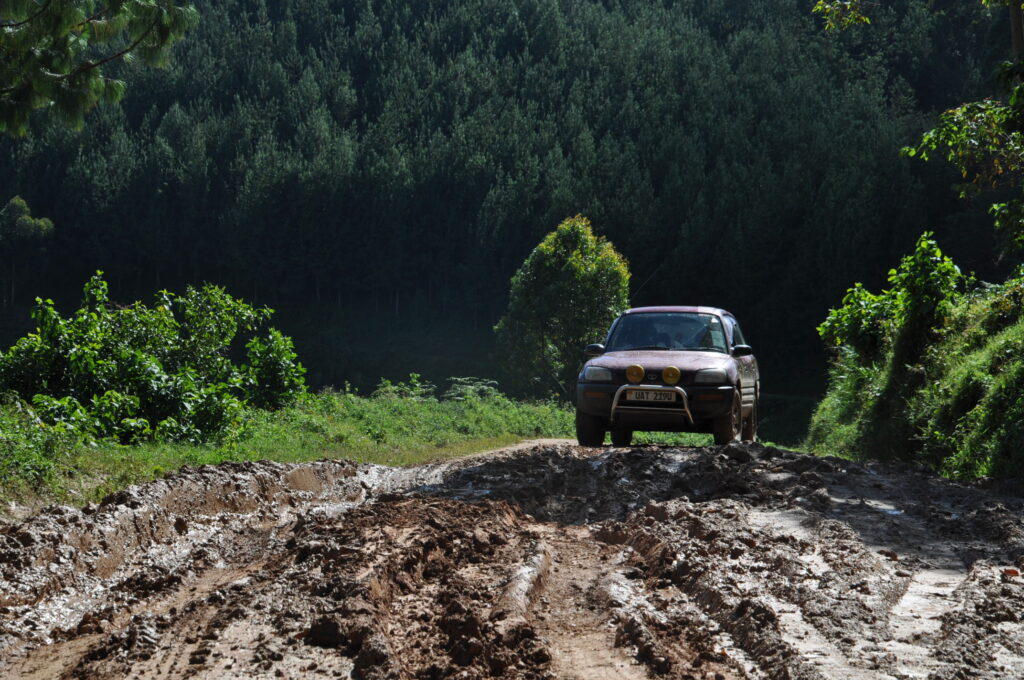
The Kabale–Bwindi mountain stretch is deceptively short on a map but genuinely demanding to drive. Steep gradients, loose gravel, sharp bends, and unguarded drops require full concentration throughout. This road has caught out many overconfident drivers — treat it with complete respect.
Rainy season road conditions change fast. A road that is firm in the morning can be dangerously slippery by afternoon after sustained rainfall. Landslides occasionally block sections between Kihihi and Buhoma in Bwindi’s northern approach. Always carry a tow rope and check with local operators for current conditions.
Wildlife crosses roads inside parks at any time. Drive at a maximum of 40 km/h inside all national parks. Elephants and buffaloes in particular can appear suddenly from roadside vegetation. Never hoot at animals to move them, and never exit the vehicle unless you are at a designated safe area or in the presence of a ranger.
Night driving on bush roads is dangerous and strongly discouraged. No guardrails, wildlife on the road, unmarked junctions, and poor visibility combine to make remote road driving after dark a serious risk. Plan every day’s driving to arrive at your destination at least one hour before sunset.
Self-Drive Packing Checklist
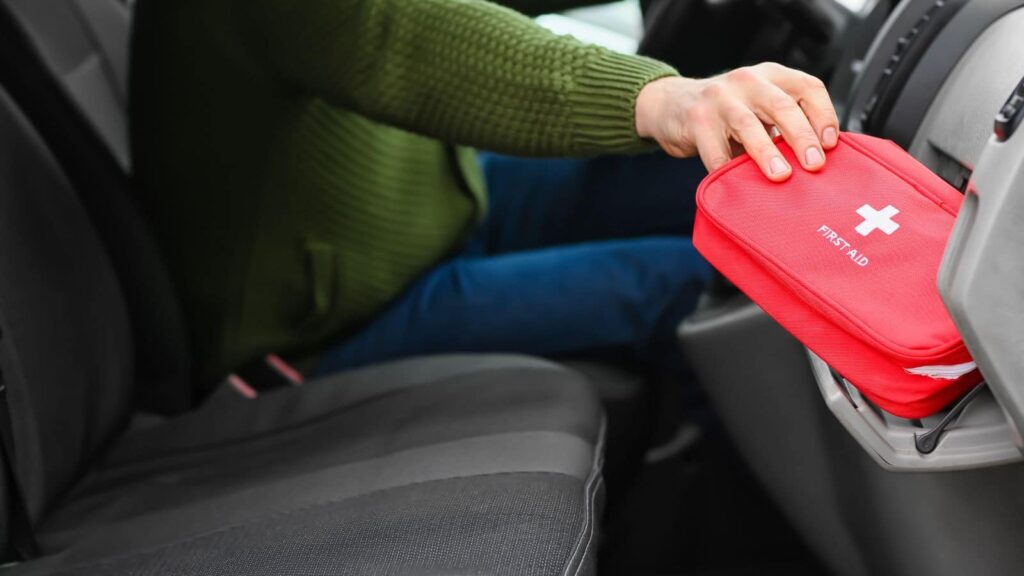
Before setting off, confirm you have all of the following: a valid passport with at least six months remaining validity, your visa documentation, a yellow fever vaccination certificate (mandatory for entry into Uganda), park permits printed in advance, USD cash in small notes, two spare tyres, a car jack and lug wrench, a tow rope, a jerry can with extra fuel, jumper cables, a first aid kit, a torch with spare batteries, offline maps downloaded, mosquito repellent and malaria prophylaxis, travel insurance documents, and a power bank for your phone.
Plan Your Uganda Self-Drive with Us
At Uganda Car Rental Deal, we specialise in self-drive hire across Uganda’s national parks and beyond. Our fleet is fully maintained, comprehensively insured, and equipped for Uganda’s toughest terrain. We provide a full route briefing before every hire, detailed documentation for park entries, cross-border letters for Kenya, Rwanda, and Tanzania, and 24/7 on-road support throughout your journey.
Whether you are planning a weekend escape to Lake Mburo or a two-week grand circuit of Uganda’s greatest parks, we have the right vehicle and the local expertise to make it exceptional.
📧 Email: info@ugandacarrentaldeal.com 📞 Call / WhatsApp: +256-779-232-316
Get in touch today and let’s start planning your Uganda self-drive adventure.