Talk of “green transport” usually conjures images of Tesla-lined streets in California or Norway’s fully electrified highways. Uganda rarely enters that conversation — yet on the ground, something genuinely interesting is happening. Uganda’s shift toward eco-friendly road travel isn’t following the global EV playbook at all. It’s taking its own route, shaped by different economics, different infrastructure, and a very different starting point. Here’s how Uganda’s drivers actually compare to the global green transport story most people assume applies everywhere.
The Global Green Trend: Private EV Ownership First
In most of the countries driving the global green transport narrative — the US, Germany, Norway, China — the shift started with private car buyers. Wealthier consumers bought electric sedans and SUVs first; public transport electrification came later, and in many cities is still catching up. The infrastructure followed demand: home charging, then public charging networks, then commercial fleets.
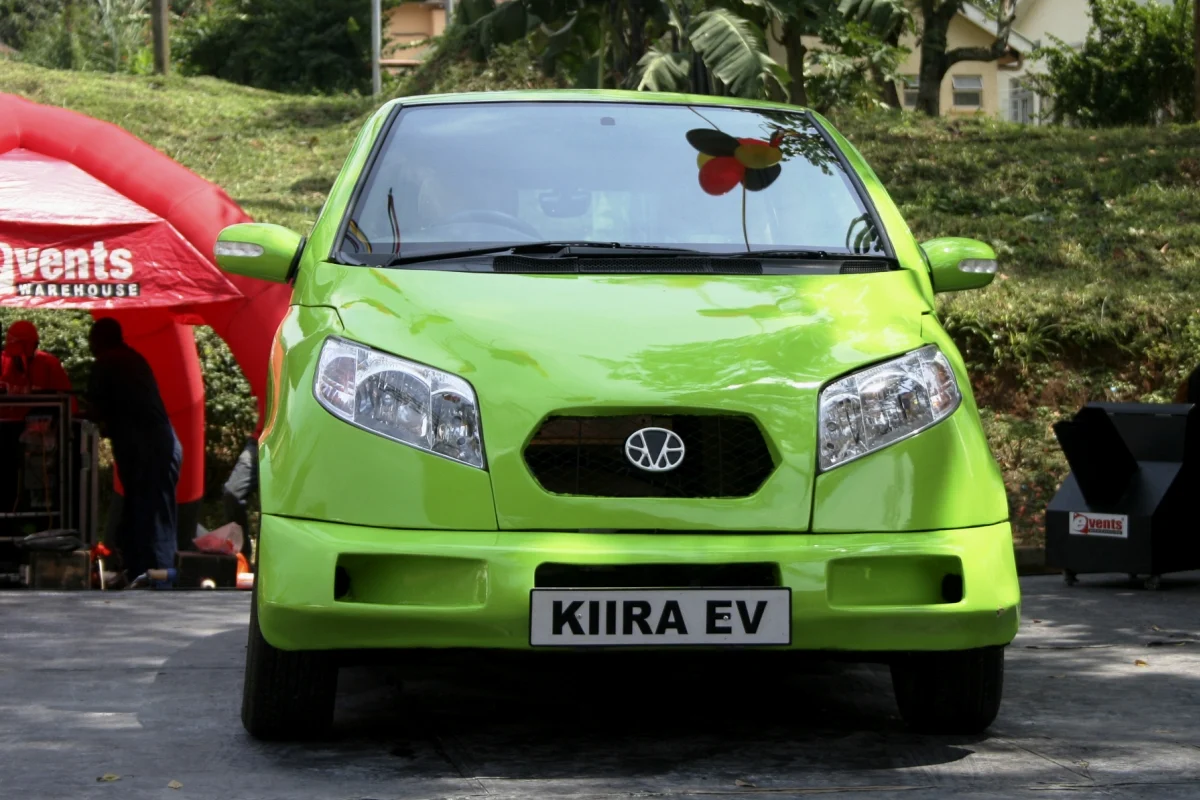
That model assumes a large base of private car owners with driveways, garages, or reliable home electricity — a starting point most of Uganda simply doesn’t share.
Uganda’s Route: Public Transport First, Private Ownership Later
Uganda has effectively flipped the global sequence. Instead of starting with private EVs, the country’s green transport push has been built around mass public transport electrification — specifically buses. Uganda launched the E-Bus Xpress service in 2026, developed by the state-owned Kiira Motors Corporation, with fully electric buses offering a 300-kilometre range, as part of a strategy to deploy 1,500 electric buses across 14 urban centres to cut emissions and reduce dependence on fuel.
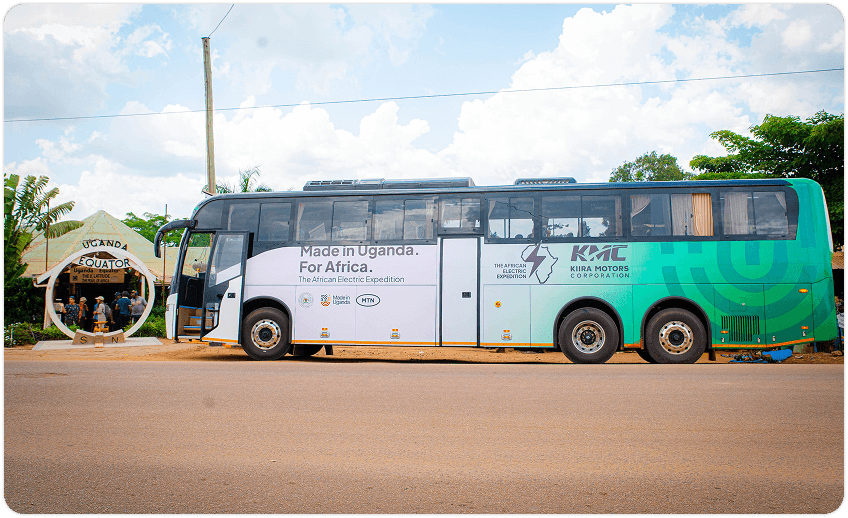
This isn’t a pilot project quietly running in the background. The green-and-gray 40-seater electric buses assembled at the Kiira Vehicle Plant in Jinja have quickly become a visible part of daily life in Kampala, with commuters even sharing photos and videos of their rides on social media in real time. The national e-mobility strategy behind it targets 15,000 electric vehicles on Uganda’s roads by 2030, with plans to produce more than 1,500 electric buses in the next year alone.
Crucially, this is also a story of local manufacturing rather than imported technology. Uganda’s electric mobility journey dates back to 2016, when it unveiled Africa’s first solar-powered electric bus, the Kayoola. That homegrown engineering base is a genuine point of difference from most Western green-transport stories, which tend to be led by foreign automakers rather than domestic vehicle plants.
Boda Bodas: Uganda’s Version of “Last-Mile” Green Transport
Globally, the “last-mile” green transport conversation is dominated by e-scooters and e-bikes in cities like Paris or Amsterdam. In Uganda, the equivalent last-mile vehicle is the boda boda — the motorcycle taxi that moves millions of people daily through Kampala’s traffic. The government has set out plans to eliminate fuel-powered boda bodas from the capital in favor of electric motorcycles, framing the shift as being about jobs and cleaner streets as much as environmental policy. The push has drawn international backing too, with the EU Ambassador and EDFI representatives involved in a visit connected to Gogo Electric, under initiatives like the Global Gateway and ElectriFI that support sustainable energy investment in the region.
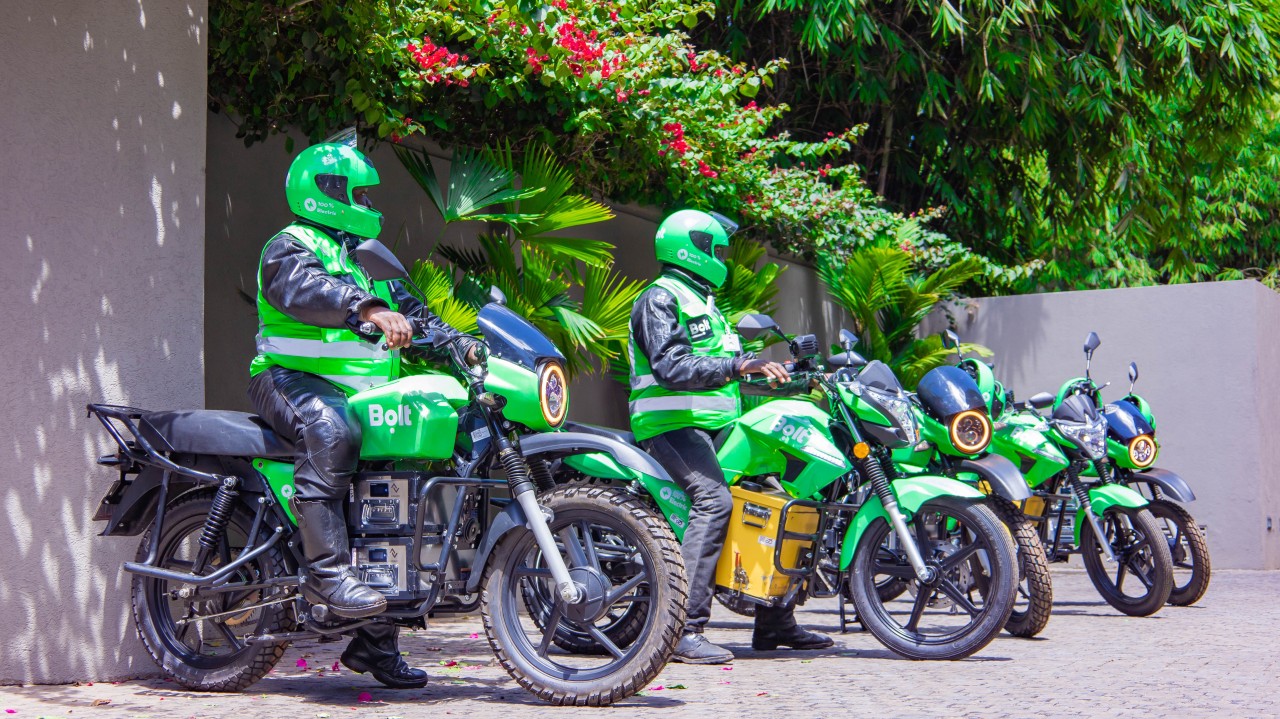
This matters because boda bodas are one of the single largest sources of urban fuel consumption and air pollution in Kampala. Electrifying that layer of transport arguably has a bigger day-to-day emissions impact per dollar spent than electrifying private cars — a priority ordering that looks very different from the EV strategies pursued in wealthier markets.
Taxis Are Catching Up Too
The shift isn’t limited to buses and boda bodas. Kampala’s taxi sector is preparing to introduce electric taxis by the end of 2026, with the Union Transport Alliance studying the technology during a bench marking visit to China to assess whether it would suit Uganda’s operating conditions. Financing is one of the key hurdles being addressed, with proposals allowing drivers to acquire electric taxis through installment payments rather than the full upfront cost, lowering the barrier to entry for operators. Infrastructure remains the bottleneck, though — a network of battery-swapping stations is seen as critical so drivers can quickly replace depleted batteries instead of waiting through a full recharge.
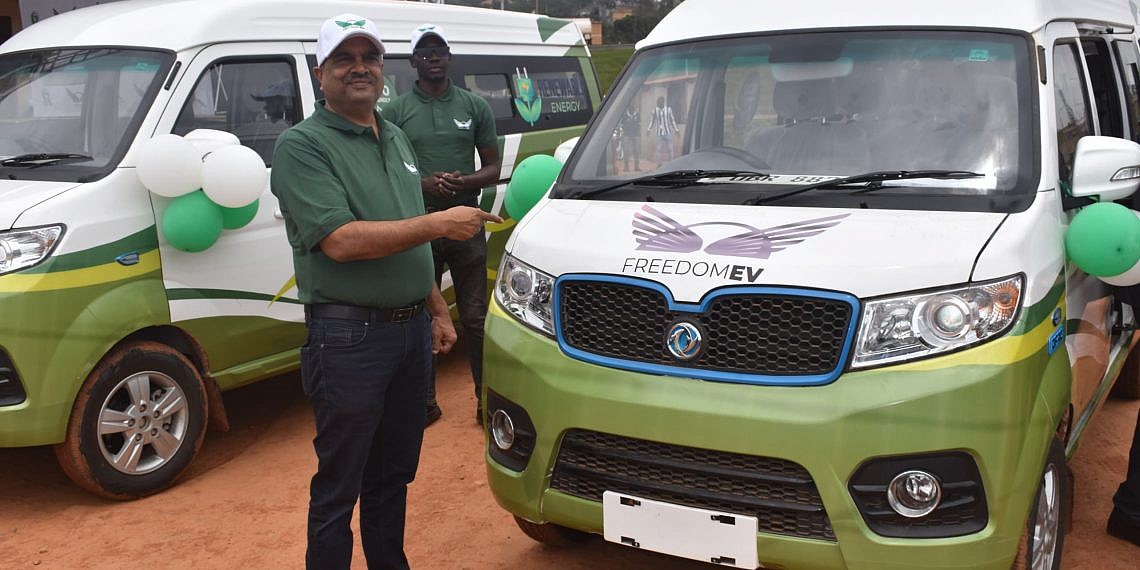
That battery-swapping approach is itself a notable divergence from the global norm. Most Western EV markets have standardized around plug-in home and public charging. Uganda’s transport operators, facing unreliable power access and drivers who can’t afford downtime, are leaning toward swap stations instead — a model closer to what’s been trialed in parts of China and India than anything common in Europe or North America.
Infrastructure Is Being Rebuilt Around the Vehicles, Not the Other Way Around
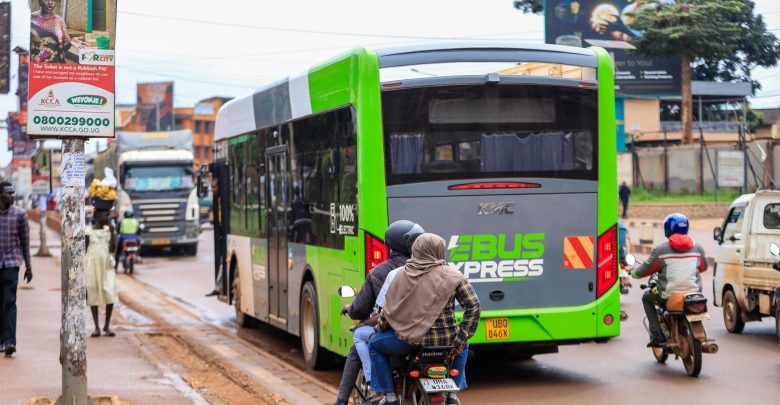
To support the shift to electric buses, Kampala’s city authorities have started reshaping urban traffic management altogether — removing roadside parking in downtown areas and introducing dedicated bus lanes to ease congestion and prioritize public transport in a city long dominated by fuel-powered vehicles. That’s a meaningfully different approach from most global green-transport cities, where infrastructure like charging networks was typically bolted onto an existing road system built for private cars. Uganda, still building much of its urban transport infrastructure from a relatively early stage, has more room to design around electric public transport from the outset rather than retrofit it in later.
The Real Difference: Why Uganda’s Green Shift Doesn’t Look Like the Global One
Put simply, most global green transport trends are consumer-led and infrastructure-follows-demand. Uganda’s is state-led, manufacturing-led, and public-transport-first — driven by a combination of fuel cost pressure, national industrial strategy, and international climate financing rather than private consumer appetite for electric SUVs.
The goal isn’t a Tesla in every driveway. As one Kiira Motors official put it plainly: the aim is to transport over five million Ugandans daily, with the expectation that on every route passable by motorized vehicle, there must eventually be an electric bus running it. That’s a mass-mobility target, not a private-ownership one — and it’s precisely why comparing Uganda’s road travel shift to Norway’s EV boom or California’s Tesla culture misses the point. Uganda isn’t late to the global green trend. It’s running its own version of it, built around buses, boda bodas, and locally engineered vehicles rather than private car culture.
What This Means for Travelers
For visitors to Uganda, this shift is already visible on the ground — quieter, cleaner buses in Kampala, a growing push toward electric boda bodas, and a national conversation about sustainable transport that ties directly into the country’s broader eco-tourism identity. A country investing this heavily in cleaner road travel is also a country worth exploring responsibly — on safari, in the cities, and everywhere between.
Planning to visit Uganda and would love to book a rental and driver for the road trip -simply contact us now by sending an email to info@ugandacarrentaldeal.com or call +256-779232316.