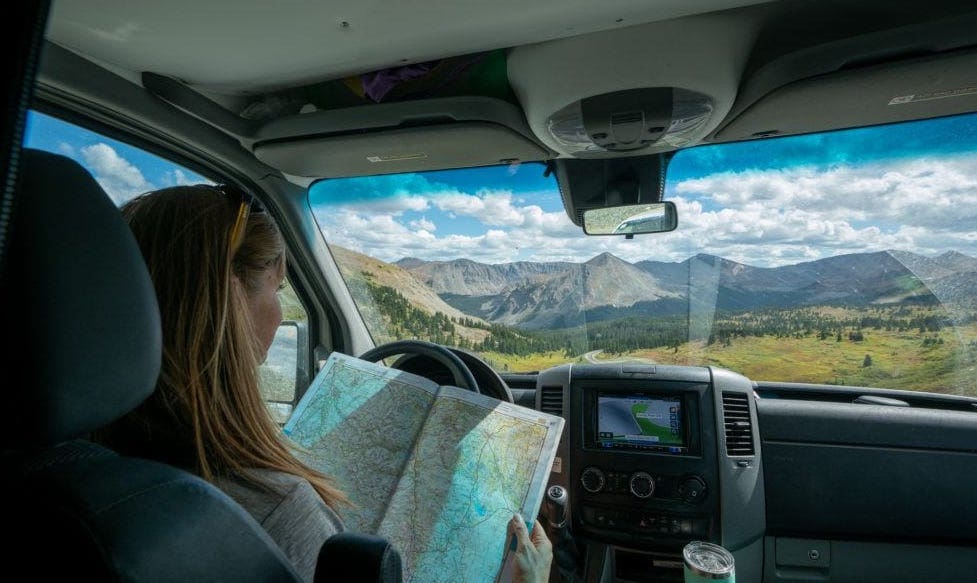
Solo car rental in Uganda gives you something group tours rarely do: complete control of your itinerary. You choose when to leave, where to stop and how long to stay at a waterfall, a market or a viewpoint. For travellers on their own, it can also be one of the most cost-effective ways to see the country, since you aren’t paying a single-supplement price on a group trip.
It does take more preparation than traveling with a partner or a guide. You are the driver, navigator, planner and problem-solver all at once. This guide covers what to know before you book, how to choose between self drive and hiring a driver, how to stay safe on the road, and how to plan routes that are realistic when you’re traveling alone.
Is solo car rental in Uganda a good idea?
For many travellers, yes. Uganda is a friendly country with a well-developed tourism route, and plenty of visitors explore it on their own. But it suits some people better than others.
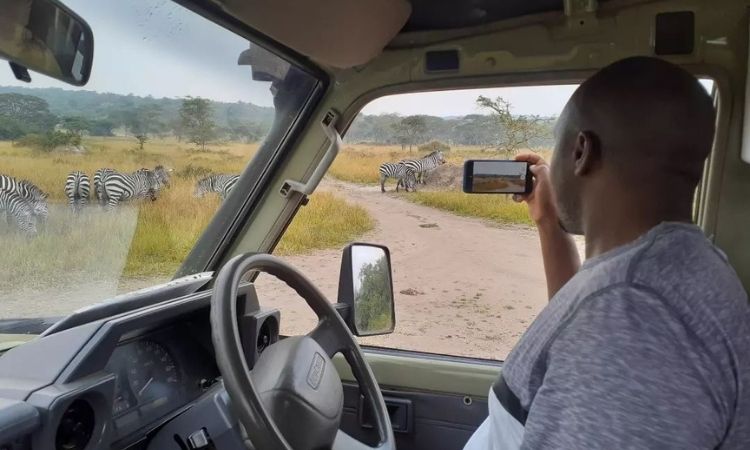
It works well if you:
- Are comfortable driving in unfamiliar traffic, including on the left side of the road.
- Enjoy planning and don’t mind adapting when plans change.
- Are happy to drive only in daylight and stop early.
- Prefer flexibility over a fixed schedule.
You may prefer a driver if you:
- Are arriving after a long flight and don’t want to drive straight away.
- Have never driven on the left or on rough roads.
- Plan a long itinerary with remote parks such as Kidepo Valley.
- Want a local who can translate, advise and help in an emergency.
Many solo travellers combine both: a driver for the first days or the most remote section, and self drive for easier legs such as Kampala, Jinja and Entebbe.
Self drive vs hiring a driver when you’re traveling alone
| Self drive | Car with driver | |
|---|---|---|
| Freedom | Full control of timing and stops | Flexible, but you agree plans with the driver |
| Cost for one person | Often lower per day if you split nothing, but you pay fuel and risk | Higher daily rate, but fuel and driver costs are usually clear |
| Stress level | Higher: navigation, traffic, rough roads | Lower: you can rest, read or take photos |
| Local knowledge | Comes from your research | Comes from the driver |
| Safety in remote areas | Depends on your preparation | Extra support if something goes wrong |
| Best for | Experienced, confident drivers | First-time visitors and long, remote routes |
Ask for quotes for both options. The difference is sometimes smaller than people expect once fuel, accommodation and park logistics are included.
Step 1: Choose the right vehicle

Your vehicle matters more when you’re alone, because there is no one else to share the driving, the lifting or the problem-solving.
- For Kampala, Entebbe, Jinja and main highways: a compact SUV or saloon car with good ground clearance is usually enough.
- For national parks and rural roads: choose a 4×4 such as a RAV4, Prado or Land Cruiser. Ground clearance, strong tyres and solid suspension make a real difference on murram roads and after rain.
- For gorilla trekking in Bwindi: the final roads can be steep and muddy, so a 4×4 is strongly recommended, especially in wet months.
- Size and handling: a vehicle you feel confident parking and maneuvering is better than a larger one you find intimidating.
Before leaving the rental office, check the spare wheel, jack, tools, tyre condition, lights, wipers, air conditioning and the fuel gauge. Take photos of the vehicle from every side.
Step 2: Sort your documents and insurance
Have these ready before you travel:
- Your passport and a valid driving licence from your home country.
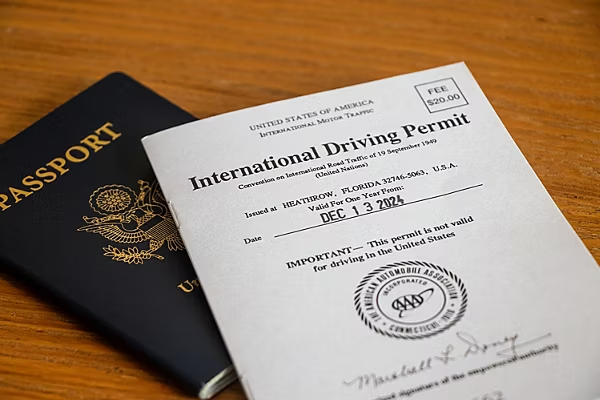
- An International Driving Permit (IDP). Check requirements for your nationality and confirm with your rental company, as many ask for one.
- The rental agreement, vehicle documents and insurance papers, kept in the car.
- Emergency numbers for the rental company, saved in your phone and written on paper.
When you book, ask clearly:
- What does the insurance cover, and what is the excess or deposit?
- What happens if the vehicle breaks down, and how quickly is help available?
- Is there a replacement vehicle policy?
- Is mileage limited or unlimited?
- Are there restrictions on where I can drive (for example certain parks or cross-border trips)?
Get answers in writing. Clear terms are one of the best signs of a trustworthy provider.
Step 3: Plan routes realistically
Distances in Uganda are deceiving. A journey that looks like four hours on a map can take much longer because of traffic, trucks, roadworks, potholes and rain. Plan conservatively, especially when you’re alone and want to arrive before dark.
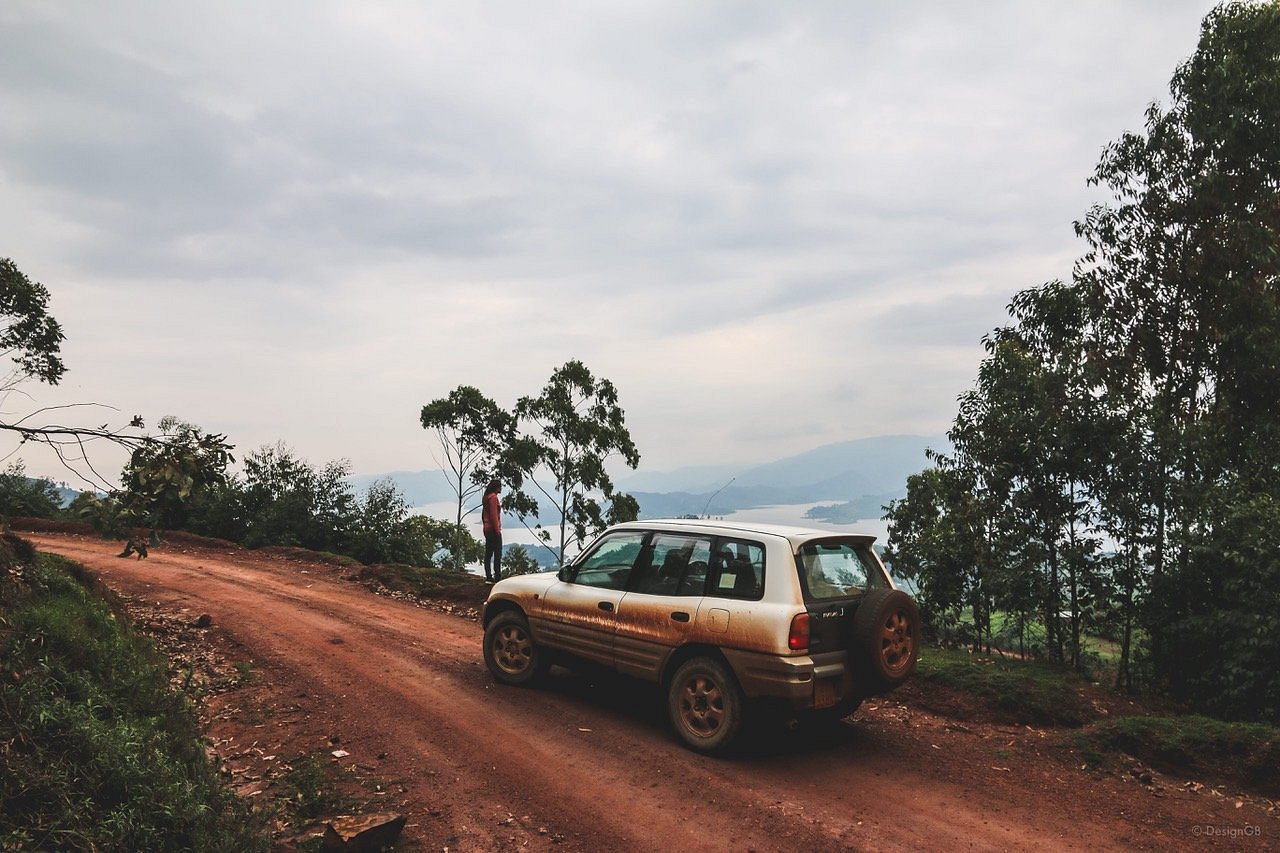
Practical rules for solo drivers:
- Arrive before sunset. Poor lighting, pedestrians, bicycles, livestock and unmarked hazards make night driving risky. If you’re running late, stop and sleep at the next safe town.
- Break long drives. Kampala to Bwindi is a long day, often 8 to 10 hours. Consider an overnight stop in Mbarara or Kabale.
- Avoid trying to cover too much. Fewer destinations and more time at each is safer and more enjoyable than a rushed schedule.
- Check road conditions for rainy seasons (roughly March to May and September to November), when secondary roads can become slippery or impassable.
- Download offline maps before leaving a town, and carry a power bank.
A sample 7-day solo route
| Day | Route | Notes |
|---|---|---|
| 1 | Entebbe to Kampala | Short, easy first day to adjust to traffic |
| 2 | Kampala to Jinja | Good roads; visit the Nile and return or stay overnight |
| 3 | Jinja to Kampala to Mbarara | Longer drive; leave early |
| 4 | Mbarara to Queen Elizabeth National Park | Game drives; consider a guided drive inside the park |
| 5 | Queen Elizabeth to Bwindi area | Mountain roads; arrive in daylight |
| 6 | Gorilla trekking, rest | Leave driving for another day |
| 7 | Return towards Kampala/Entebbe | Allow a full day |
Adjust this to your interests and your comfort level. For remote parks, a mix of self drive and a hired driver or guide can keep you safer.
Step 4: Stay safe on the road
Most solo travellers have uneventful trips, and sensible habits help keep it that way.
On the road
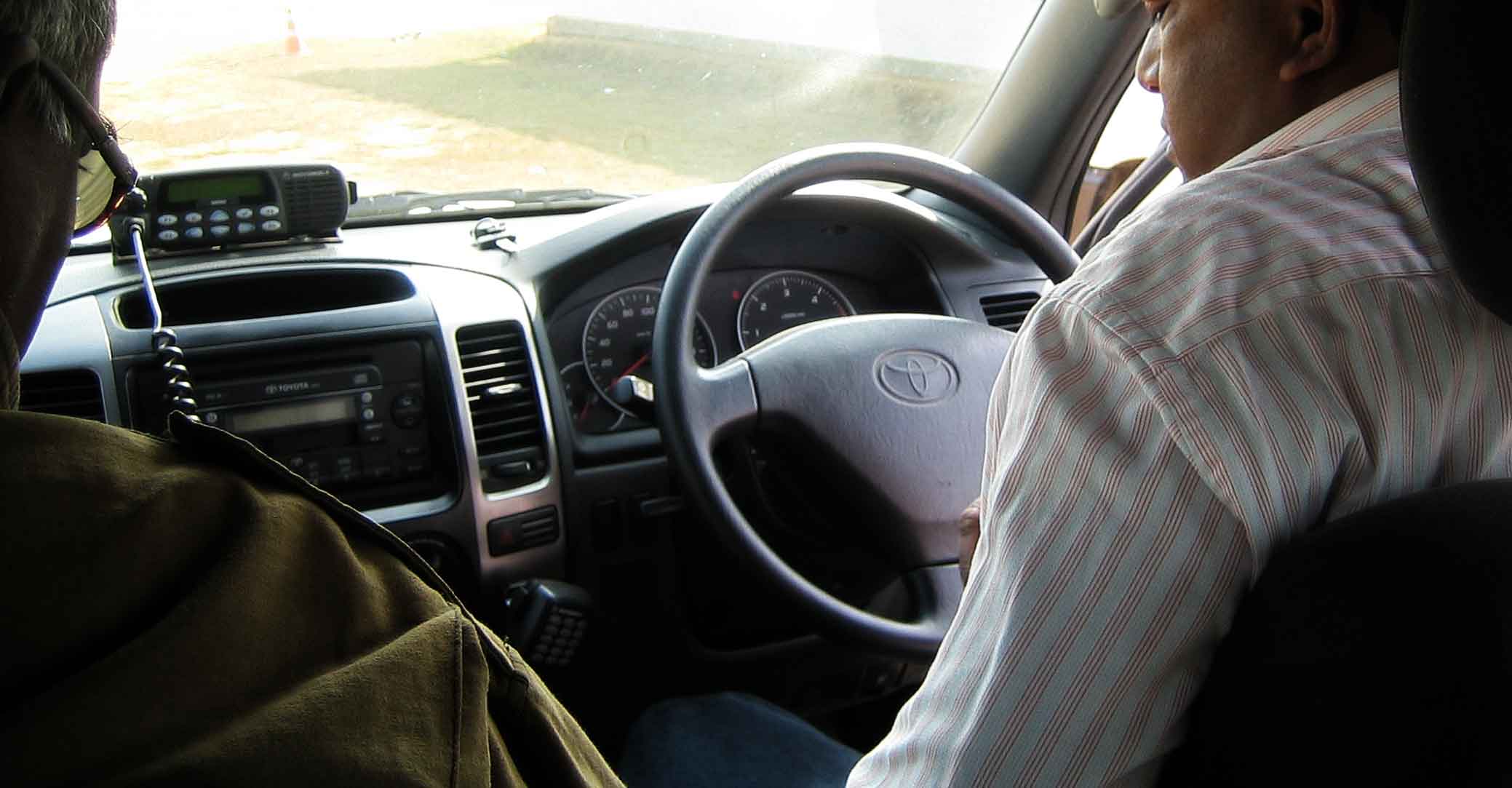
- Drive defensively. Expect motorcycle taxis (boda-bodas) to overtake suddenly, minibus taxis to stop without warning and pedestrians or animals to appear unexpectedly.
- Keep to speed limits. Typical limits are around 80 km/h on highways and 50 km/h in towns, but always follow the posted signs.
- Wear your seatbelt and avoid using your phone while driving.
- Slow down in villages and near schools and trading centres.
- Don’t drive tired. Take breaks, hydrate and stop if you feel drowsy.
At police checkpoints
Checkpoints are common. Slow down, greet the officer politely, have your documents ready and stay calm. If you are issued a fine, ask for an official ticket and payment instructions rather than paying cash on the roadside.
Fuel and breakdown preparation
- Refuel when your tank reaches half, especially before remote areas.
- Carry water, snacks, a torch, a basic first aid kit and a tyre repair kit or compressor if the rental provides them.
- If you break down, stay with the vehicle, call your rental company and share your location. Be cautious about accepting help from strangers unless you feel safe.
Parking and valuables
- Park in secure, well-lit places, ideally at a hotel or lodge.
- Don’t leave bags, cameras or electronics visible in the car.
- Lock the vehicle and keep copies of important documents separately.
Step 5: Stay connected and share your plans
Traveling alone means making it easy for people to know where you are.
- Buy a local SIM card at Entebbe or in Kampala for better coverage and data.
- Share your live location with a friend or family member on a messaging app.
- Send a short check-in message each evening with your next destination.
- Save the numbers of your accommodation, rental company and local emergency services.
- Remember that coverage can drop in parks and mountain areas, so download maps and save key information offline.
Step 6: Choose accommodation wisely
Where you sleep matters as much as how you drive.
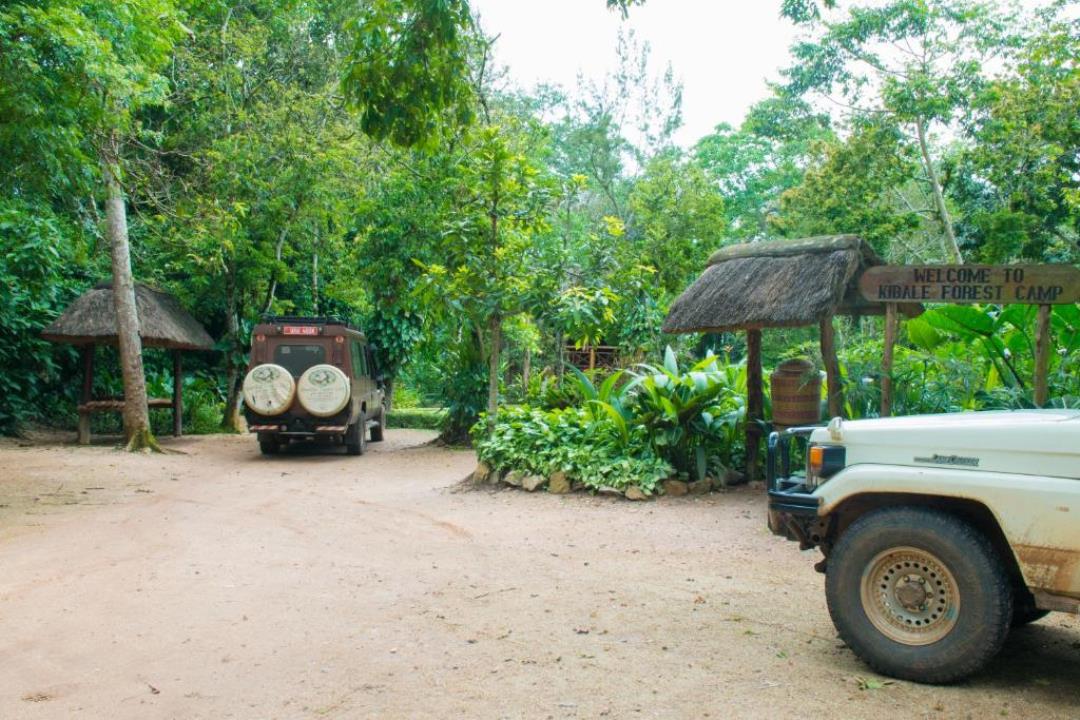
- Book your first night and any remote stops in advance, so you’re never searching for a bed after dark.
- Choose places with secure parking, good reviews and clear contact details.
- Ask the lodge about the road conditions for the next day, since staff often know about rain, roadworks and closures.
- In towns, consider guesthouses and hotels that regularly host independent travellers.
What to pack for a solo road trip
- Passport, licence, IDP and printed rental papers
- Phone mount, charger, power bank and a local SIM card
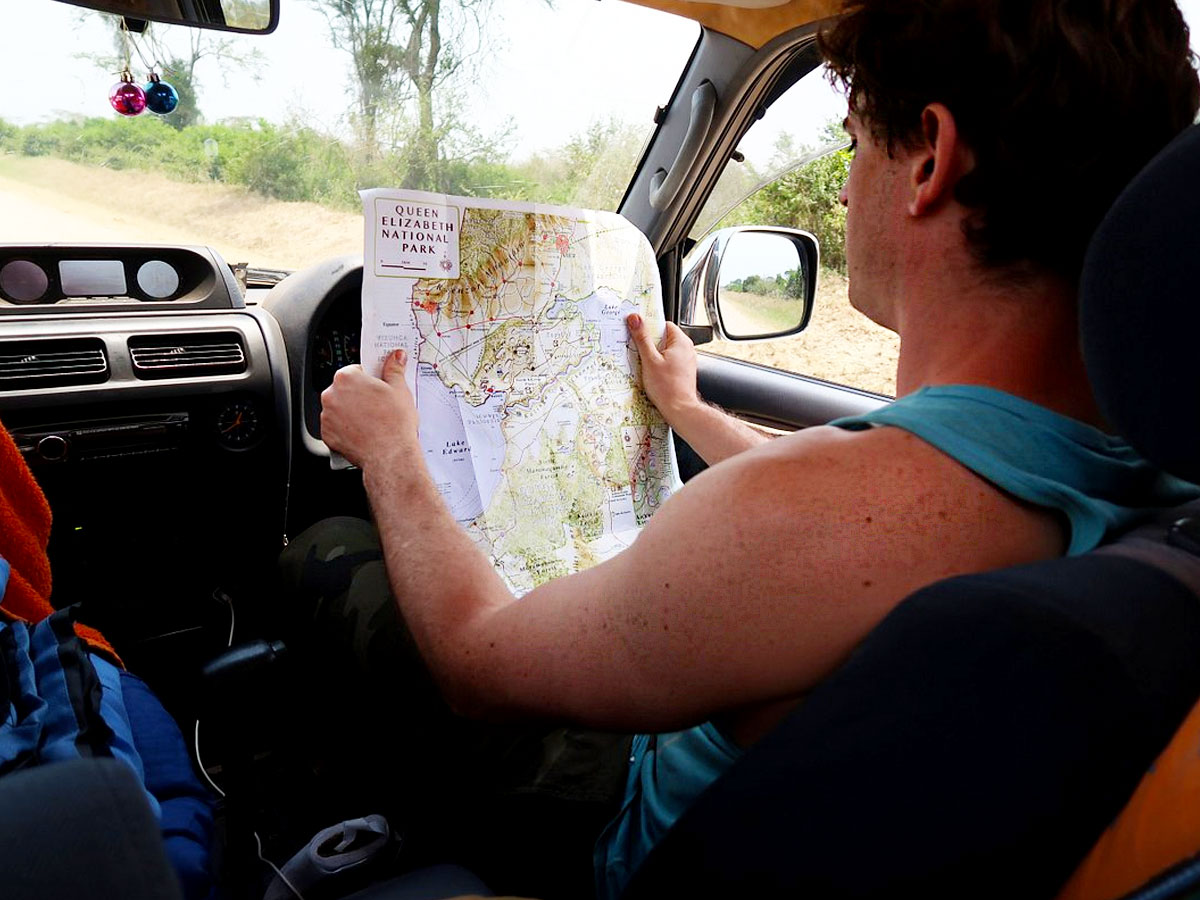
- Offline maps and a paper map as a backup
- Water, snacks and a reusable bottle
- A small first aid kit and any personal medication
- Torch or headlamp
- Rain jacket and layers for cool mornings
- Cash in small notes for tolls, parking, fuel and snacks
- A day bag to keep valuables with you when you leave the vehicle
How much does solo car rental in Uganda cost?
Costs depend on your vehicle, season and route, but a solo budget usually includes:
- Vehicle rental: the daily rate for your chosen car, which may include insurance and mileage.
- Fuel: varies with distance and road conditions; 4×4 vehicles use more on rough roads.
- Accommodation: from simple guesthouses to lodges.
- Park and activity fees: entry fees, vehicle permits, game drives, gorilla permits and boat trips.
- Food and drinks: meals, snacks and water.
- Extras: a driver for part of the trip, GPS, camping gear or an airport transfer.
Ask your rental provider for a written quote that lists what is included and what isn’t, so there are no surprises on the road.
Common mistakes solo travellers make
- Trying to cover too much ground. Rushing leads to tired driving and late arrivals.
- Driving at night. It is the single most avoidable risk.
- Choosing the cheapest vehicle for rough routes. Low ground clearance can end a trip early.
- Skipping the vehicle inspection. Check tyres, spare, lights and fluids before you leave.
- Not saving emergency contacts offline. Signal can drop exactly when you need it.
- Underestimating rainy-season roads. Allow extra time or change plans if conditions are poor.
Frequently asked questions
Is solo car rental in Uganda safe?
Many travellers do it safely, particularly when they drive in daylight, choose a suitable vehicle, plan realistic routes and stay in secure accommodation. Preparation is what makes the difference.
Can I rent a car in Uganda if I’m traveling alone?
Yes. You’ll need a valid driving licence (and usually an IDP), your passport and the rental company’s required deposit or payment. Ask about any age or experience requirements when you book.
Is it better to self drive or hire a driver if I’m alone?
Self drive offers freedom and can suit confident drivers on easier routes. Hiring a driver is often better for first-time visitors, long distances and remote parks. Many solo travellers combine both.
Can I drive to Bwindi alone?
Yes, but it is a long drive, and the last stretch can be steep and muddy. Break the journey, arrive in daylight and use a 4×4 vehicle. Consider a driver for this section if you’re not confident.
What should I do if I break down?
Stay with the vehicle, call your rental company straight away, share your location and wait for help. Keep the emergency number saved offline.
Can I rent a car and get help planning a solo trip?
A good rental company can advise on routes, suitable vehicles and realistic timing. Ask for recommendations before you book.
Ready to plan your solo trip?
Traveling alone doesn’t have to mean traveling unprepared. With the right vehicle, a realistic route and sensible safety habits, solo car rental in Uganda can be one of the most rewarding ways to explore the country at your own pace.
Tell us your dates, route and driving experience, and we’ll recommend a suitable vehicle and a plan that fits your confidence level, whether that’s self drive, a driver, or a mix of both. You can contact us now by emailing to info@ugandacarrentaldeal.com or calling +256-779232316 to speak or chat with the reservations team.