If you’re planning a self-drive safari in Uganda, fuel is usually the second-biggest line item in your budget after the vehicle rental itself — and it’s the one first-time visitors underestimate the most. Uganda’s parks are spread out, the roads inside them are unpaved and hilly, and a loaded 4×4 drinks noticeably more than the spec sheet promises.
This guide breaks down exactly how much fuel a 4×4 uses on a typical Uganda safari, what that costs at today’s pump prices, and how to budget accurately so there are no surprises in Kasese, Kihihi, or Kisoro where fuel stations are scarce and pricier.
Quick Answer
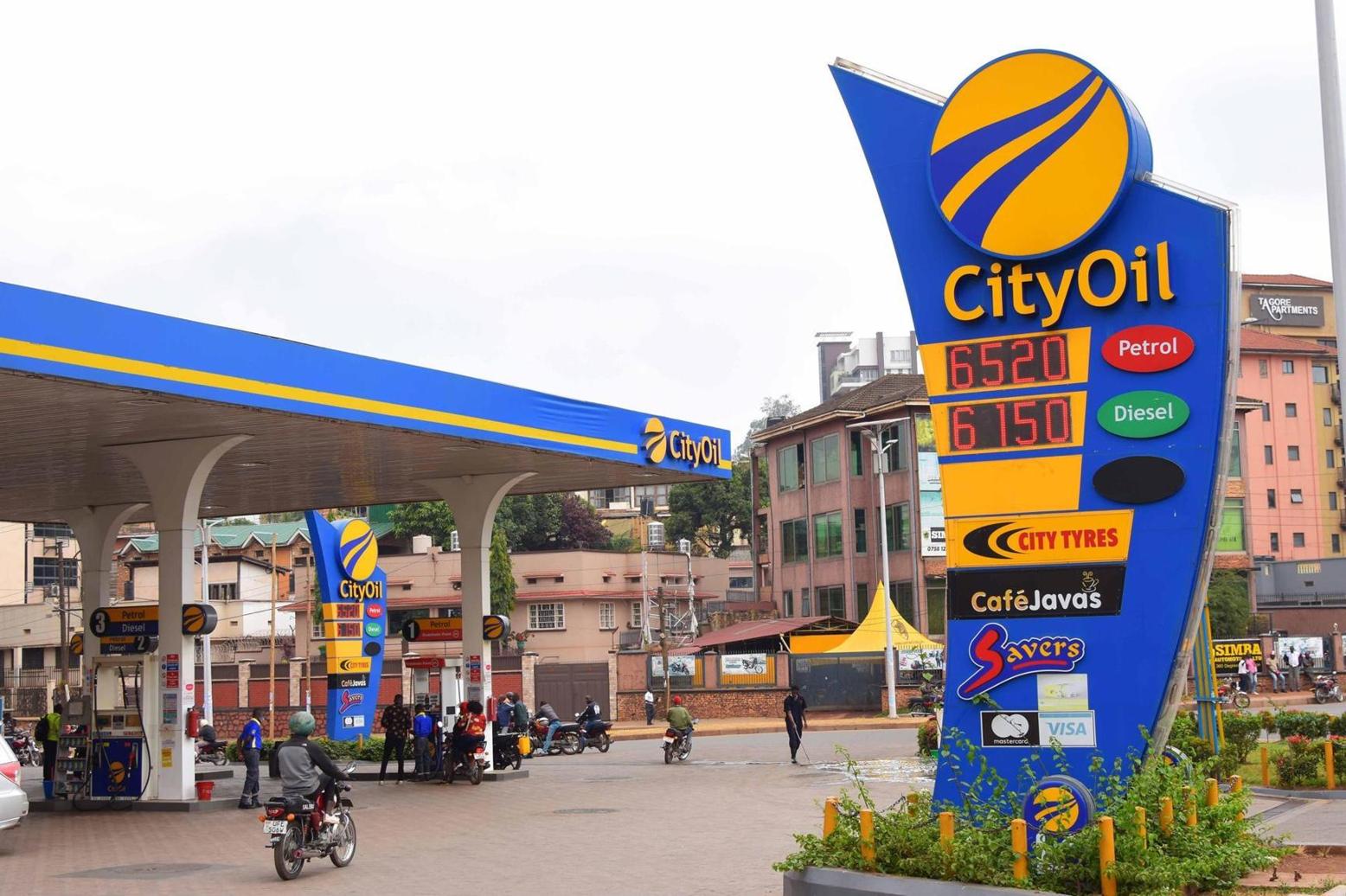
For a standard 7–10 day Uganda safari circuit (Kampala/Entebbe → Murchison Falls → Kibale → Queen Elizabeth → Bwindi → back to Kampala), most self-drive 4x4s burn between 180 and 320 litres of fuel in total, depending on the vehicle, route, and how much game driving you do inside the parks. At current pump prices that works out to roughly UGX 1,100,000 – 2,000,000 (about $290–$530) for the whole trip.
The two numbers that change this the most are which vehicle you rent and how much off-road/park driving is on your itinerary, so let’s break both down.
Average Fuel Consumption by 4×4 Type
Fuel consumption in Uganda is usually talked about in litres per 100 km, and it’s always higher than the manufacturer’s brochure figure because of murram roads, low-range driving, roof-top tents, and full passenger loads. Here’s what to realistically budget:
| Vehicle | Tarmac (highway) | Murram/park roads | Fuel type |
|---|---|---|---|
| Toyota RAV4 | 8–9 L/100km | 10–12 L/100km | Petrol |
| Toyota Land Cruiser Prado (TX/TZ) | 9–10 L/100km | 12–14 L/100km | Diesel |
| Toyota Land Cruiser 76/78 Series (Hardtop/Troop Carrier) | 10–12 L/100km | 14–16 L/100km | Diesel |
| Toyota Land Cruiser 200/300 Series | 11–13 L/100km | 15–18 L/100km | Diesel |
| Safari-fitted 4×4 with roof-top tent & pop-up roof | Add 1–2 L/100km | Add 2–3 L/100km | Diesel/Petrol |
A few things push consumption above the “book figure” on almost every trip:
- Low-range 4WD through Murchison’s Buligi circuit or Ishasha’s tracks in Queen Elizabeth roughly doubles fuel burn for that stretch.
- A rooftop tent and full luggage load adds drag and weight — expect 10–15% higher consumption than an empty vehicle.
- Altitude and hills around Bwindi, Kisoro, and the Rwenzori foothills increase consumption noticeably compared to the flat terrain around Murchison.
- Idling for game viewing (sitting with the engine running to watch elephants or track chimps) adds up over a multi-day trip even though it’s not “distance driven.”
Diesel vehicles are the more fuel-efficient choice for long safari distances, which is why most of Uganda’s rental fleet — Prados, Land Cruisers, and pickup-based campers — run on diesel rather than petrol.
Typical Distances on a Uganda Safari
To turn L/100km into a real trip total, here’s roughly what you’ll drive on the classic circuit:
| Route | Approx. | ||||||||||||||||||||||||
|---|---|---|---|---|---|---|---|---|---|---|---|---|---|---|---|---|---|---|---|---|---|---|---|---|---|
| Distance | |||||||||||||||||||||||||
| Entebbe/Kampala → Murchison Falls NP | 280–310 km | ||||||||||||||||||||||||
| Murchison Falls → Kibale Forest (Fort Portal) | 300–330 km | ||||||||||||||||||||||||
| Kibale Forest → Queen Elizabeth NP | 40–70 km | ||||||||||||||||||||||||
| Game drives within Queen Elizabeth (Kasenyi, Ishasha) | 100–150 km | ||||||||||||||||||||||||
| Queen Elizabeth → Bwindi Impenetrable NP | 130–170 km | ||||||||||||||||||||||||
| Bwindi → Lake Mburo NP | 260–300 km | ||||||||||||||||||||||||
| Lake Mburo → Entebbe/Kampala | 230–260 km | ||||||||||||||||||||||||
| Total round trip | ≈ 1,350–1,600 km | ||||||||||||||||||||||||
Add park game drives (Murchison’s Buligi circuit alone is 40–65 km of low-range driving) and you’re realistically looking at 1,500–1,900 km for a full northern-and-southwestern circuit over 8–10 days.
Sample Fuel Cost Calculation
Let’s run the numbers for a mid-range diesel Land Cruiser Prado on a 10-day, 1,600 km circuit, assuming a realistic blended average of 13 L/100km (mixing highway and park driving):
- Fuel needed: 1,600 km ÷ 100 × 13 L = 208 litres
- At current Kampala diesel prices (~UGX 6,500–6,850/litre): 208 × 6,700 ≈ UGX 1,393,600 (roughly $370)
For a shorter 7-day gorilla-focused trip to Bwindi and Queen Elizabeth only (around 900 km), the same vehicle would use closer to 120 litres, costing around UGX 800,000 (~$210).
For a larger, fully-kitted Land Cruiser 200 Series with camping gear over the same 1,600 km circuit at 16 L/100km, budget closer to 256 litres, or about UGX 1,715,000 (~$455).
Fuel Price Reality Check Across Uganda
Fuel prices in Uganda change daily — as of mid-2026, petrol has been trading around UGX 6,645 and diesel around UGX 6,850 per litre — but the price you pay depends heavily on where you fill up. Kampala and Entebbe consistently have the cheapest and most reliable fuel supply, while prices climb once you leave the central region, sometimes sharply during supply disruptions upcountry.
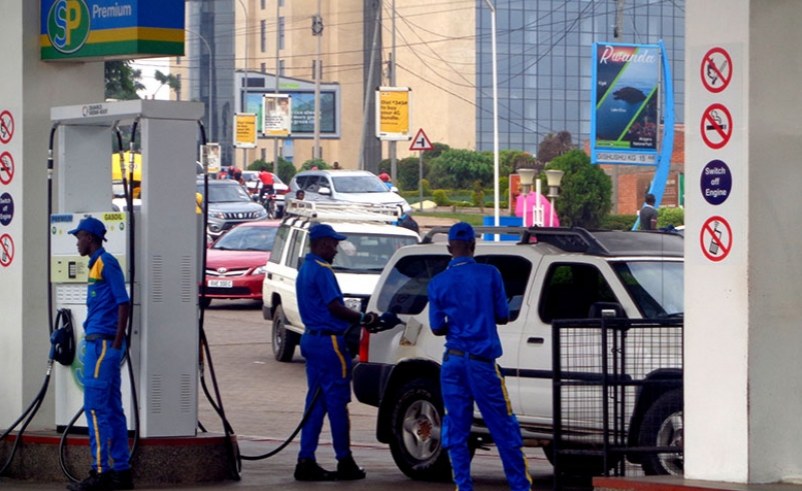
A practical rule many self-drive guides recommend: budget your whole trip at Kampala prices, then add a 15% contingency for upcountry legs — 25% if your route includes Kasese, Kisoro, or far-north stops, since remote districts have fewer stations and less price competition.
Our advice: fill your tank completely in Kampala or Entebbe before you leave, and top up opportunistically at Fort Portal, Kasese, or Rukungiri rather than waiting until the tank is low — supply gaps do happen, and it’s far cheaper to plan around price differences than to get caught needing fuel in a town with only one station open.
How to Reduce Fuel Costs on Your Uganda Safari
- Rent a right-sized vehicle. A RAV4 is fine for couples sticking to established routes; save the Land Cruiser for groups needing space, high clearance for the rainy season, or routes into Kidepo or Ishasha.
- Plan a logical loop, not a zig-zag. Backtracking between parks (a common rookie mistake) can add hundreds of unnecessary kilometres.
- Limit unnecessary game-drive idling — turn the engine off during long sightings when it’s safe to do so.
- Travel in the dry season where possible; deep mud forces low-range driving and dramatically higher consumption, plus a higher risk of getting stuck.
- Fill up in Kampala/Entebbe first, and again in regional hubs like Fort Portal or Mbarara before heading into remoter park roads.
- Consider a rental that includes a driver-guide. Experienced local drivers know the most fuel-efficient routes and where the reliable, reasonably-priced stations are — often saving more in avoided detours and better pricing than the extra cost of hiring one.
Self-Drive vs. Chauffeur-Driven: Does It Change Fuel Use?
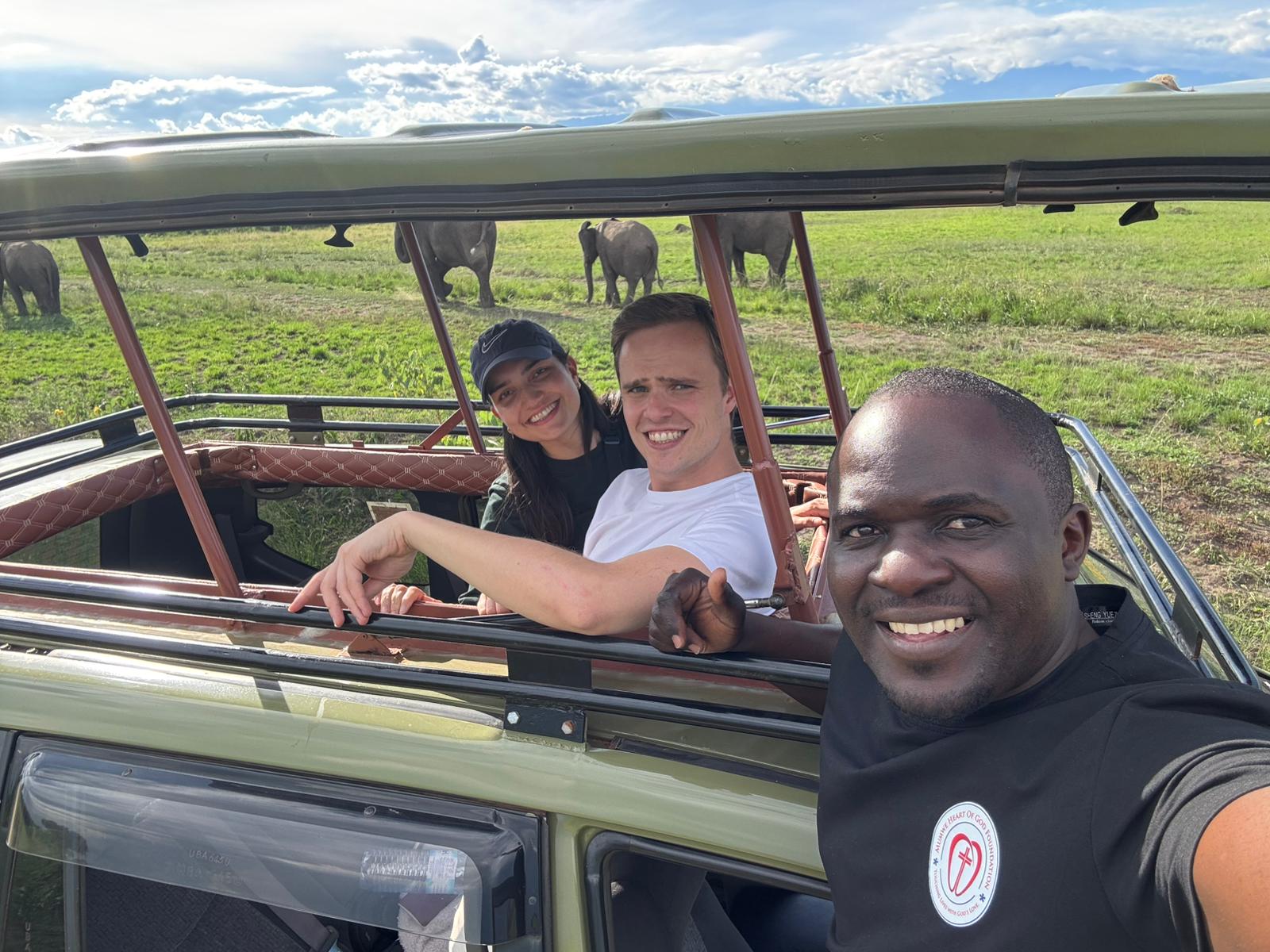
Fuel consumption itself doesn’t change much between self-drive and chauffeur-driven rentals — the vehicle burns what it burns. The real difference is efficiency: an experienced local driver-guide typically takes more direct routes, knows which park tracks to avoid after rain, and won’t waste fuel getting lost or backtracking. For first-time visitors unfamiliar with Uganda’s roads, that local knowledge often offsets the driver’s daily fee through fuel and time savings alone.
Final Take
For most travelers, a realistic Uganda safari fuel budget lands between $300 and $550 for a 7–10 day self-drive circuit in a diesel 4×4, depending on the vehicle size, route, and season. Building in a 15–25% buffer for upcountry price differences and unplanned detours is the safest way to avoid running short on cash — or worse, fuel — far from the nearest station.
When you book your 4×4 with Uganda Car Rental Deal, our team can help you map out the most fuel-efficient route for your specific itinerary and recommend the right vehicle size for your group, so you spend more on the safari and less at the pump.
Contact us today by emailing to info@ugandacarrentaldeal.com or call / chat with us on +256-779232316.