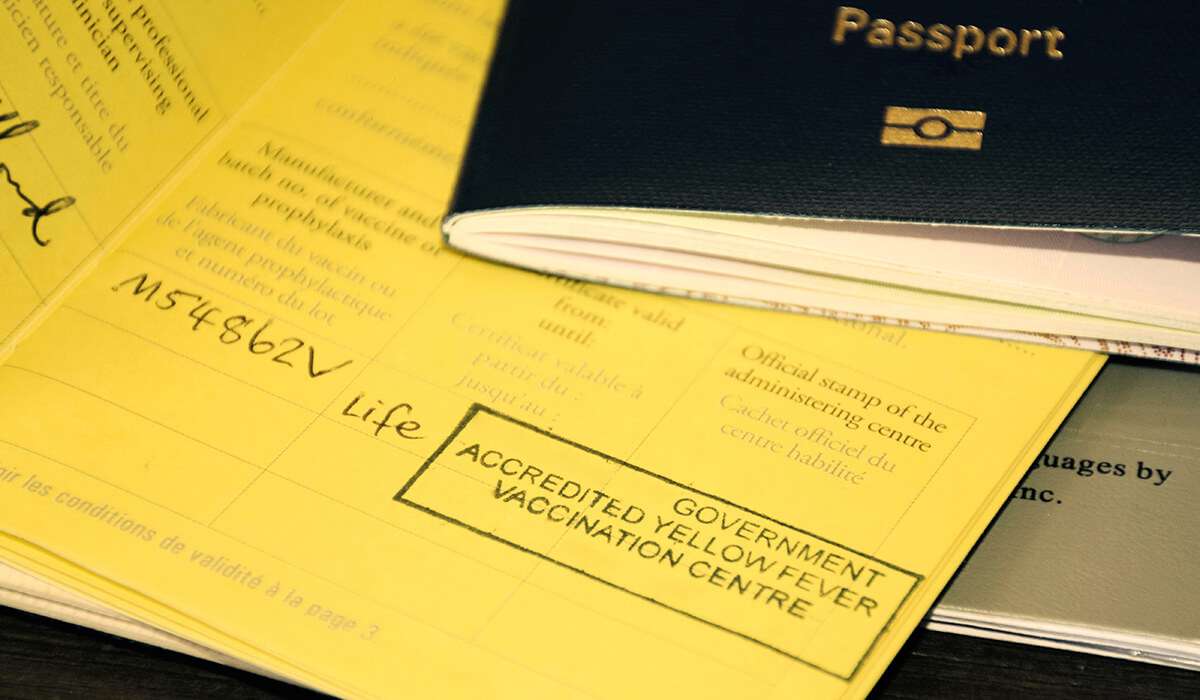
Uganda, the Pearl of Africa, offers an incredible blend of wildlife, culture, and natural beauty. Whether you’re planning to trek with mountain gorillas or explore the vibrant capital of Kampala, here are the essential things you need to know before your 2026 adventure in Uganda.
1. Visa Requirements Are Easy
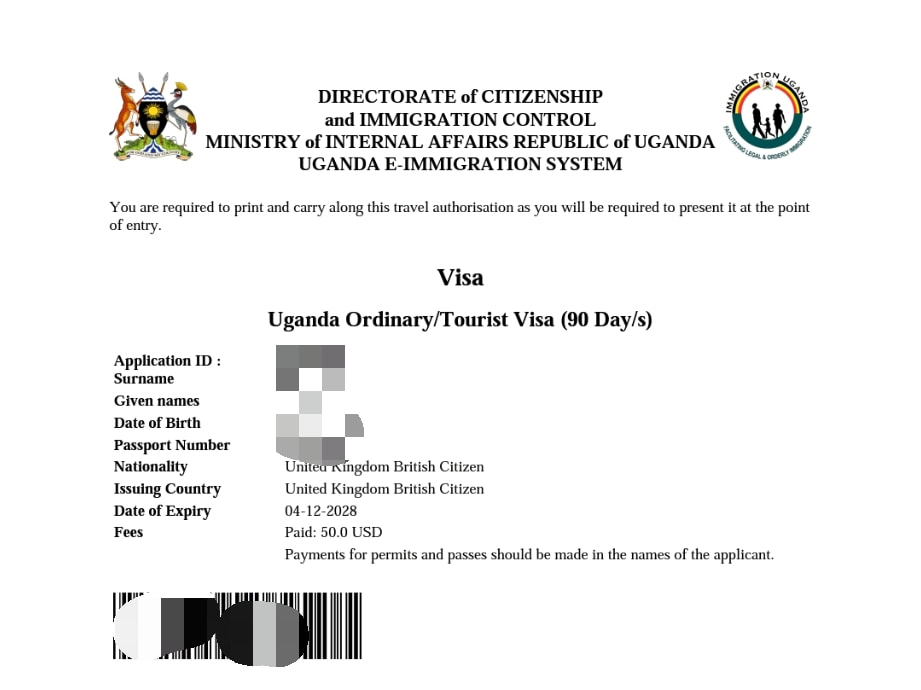
Most visitors can obtain a visa on arrival at Entebbe International Airport or apply online through the e-visa system. The standard tourist visa costs $50 USD and is valid for 90 days. Citizens of Kenya, Rwanda, and other East African Community members don’t need a visa. Consider the East Africa Tourist Visa ($100) if you’re planning to visit Kenya and Rwanda as well—it covers all three countries for 90 days.
2. The Best Time to Visit Depends on Your Goals
Uganda has two dry seasons: December to February and June to September. These are ideal for gorilla trekking and wildlife viewing since trails are less muddy and animals gather around water sources. However, the wet seasons (March to May and October to November) offer lush landscapes, fewer tourists, and sometimes lower accommodation rates. Birdwatching is spectacular during the wet season when migratory species arrive.
3. Gorilla Trekking Permits Are Essential—and Expensive
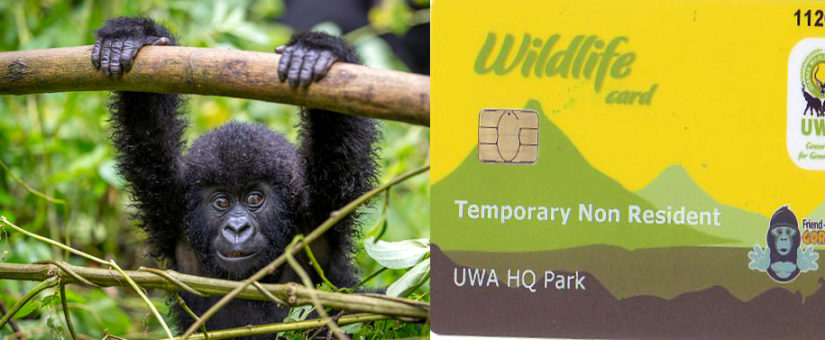
A gorilla trekking permit in Bwindi Impenetrable Forest or Mgahinga Gorilla National Park costs $800 USD per person. These permits sell out months in advance, especially during peak season, so book at least 4-6 months ahead through the Uganda Wildlife Authority or a reputable tour operator. The experience of spending an hour with mountain gorillas in their natural habitat is truly once-in-a-lifetime and worth every penny.
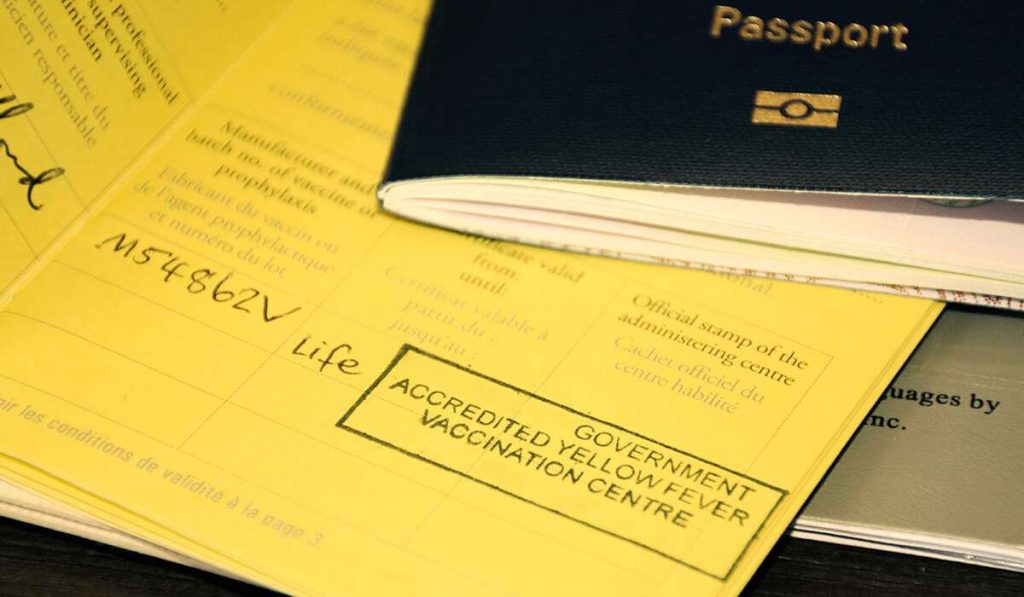
4. Yellow Fever Vaccination Is Mandatory
You must have a valid yellow fever vaccination certificate to enter Uganda. It’s recommended to get vaccinated at least 10 days before travel. Other recommended vaccinations include hepatitis A and B, typhoid, and routine vaccines. Malaria is present in most parts of Uganda, so take antimalarial medication and use insect repellent. Consult a travel health clinic at least 6-8 weeks before departure.
5. The Currency and Cash Culture
Uganda’s currency is the Ugandan Shilling (UGX). While credit cards are accepted in major hotels and restaurants in Kampala, cash is king in most of the country. US dollars are widely accepted for major expenses like safari lodges and tour packages—bring clean, newer bills (2009 or later) as older or damaged notes may be rejected. ATMs are available in cities and larger towns, but always carry enough cash when heading to rural areas.
6. Safety Is Generally Good, But Stay Alert
Uganda is considered one of the safer countries in East Africa for tourists. Violent crime against tourists is rare, but petty theft and pickpocketing can occur in crowded areas. Avoid walking alone at night in cities, don’t display expensive jewelry or electronics, and use reputable taxi services or ride-sharing apps like Uber and Bolt in Kampala. The political situation is stable, but stay informed about current events and avoid political gatherings.
7. Transportation Requires Patience
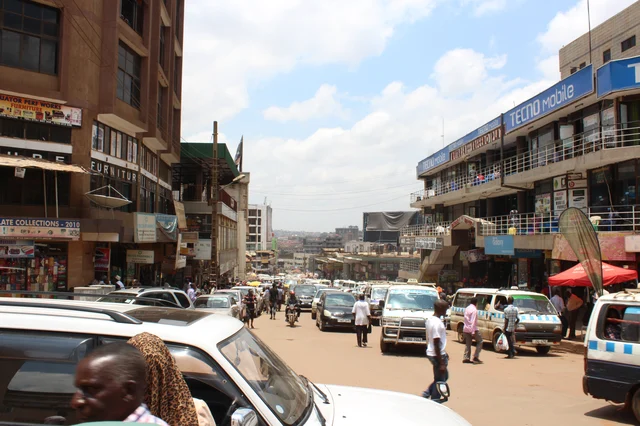
Road conditions vary greatly across Uganda. Main highways are generally good, but secondary roads can be rough, especially during rainy season. Matatus (shared minibuses) and boda-bodas (motorcycle taxis) are cheap but can be risky. For longer distances, consider domestic flights or hiring a private car with a driver. Traffic in Kampala can be chaotic, and journey times are often longer than expected—factor in extra time for travel.
8. The Food Scene Is Delicious and Diverse
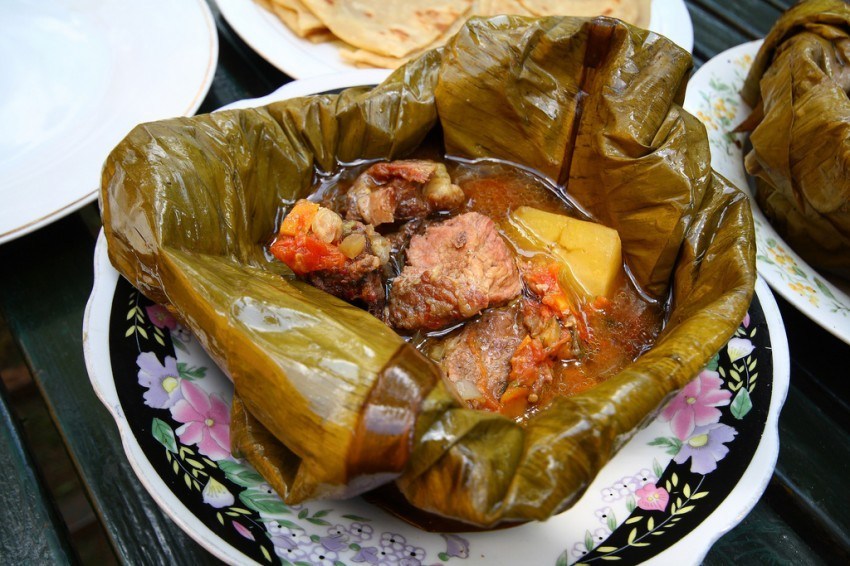
Ugandan cuisine centers around staples like matoke (steamed plantains), posho (maize porridge), and rice, often served with groundnut sauce, beans, or meat stews. Don’t miss the rolex—a popular street food of chapati rolled with eggs and vegetables. Kampala has excellent restaurants serving everything from traditional Ugandan dishes to Indian, Chinese, and Italian cuisine. Fresh tropical fruits like mangoes, pineapples, and passion fruit are abundant and delicious.
9. Cultural Sensitivity Matters
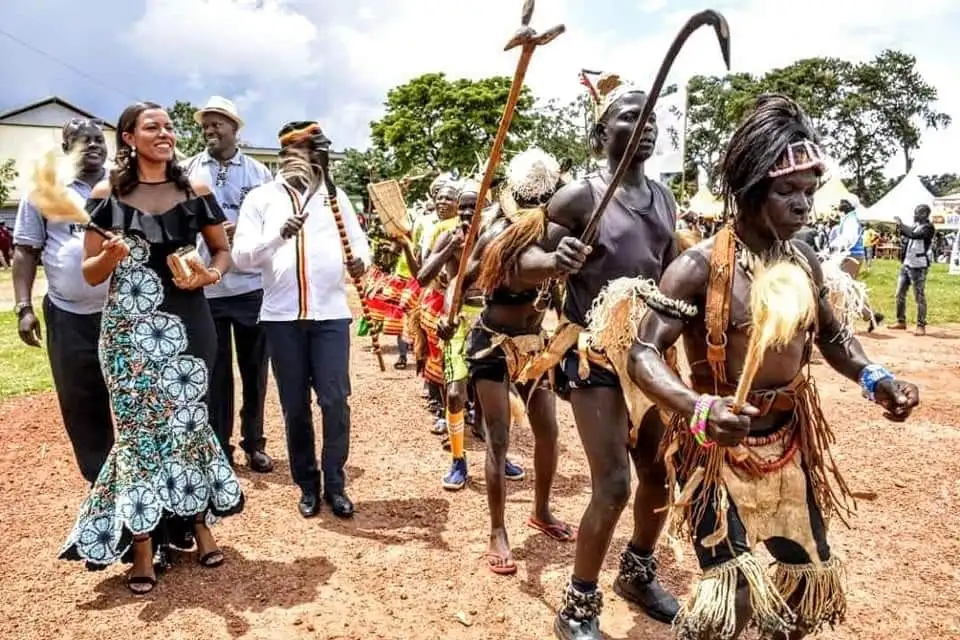
Ugandans are generally warm and welcoming, but conservative values prevail. Dress modestly, especially outside major cities and when visiting religious sites—shoulders and knees should be covered. Always ask permission before photographing people. Homosexuality is illegal and highly stigmatized, so LGBTQ+ travelers should exercise discretion. Learning a few words in Luganda, such as “Oli otya” (how are you?) and “Webale” (thank you), will be appreciated.
10. Beyond Gorillas: There’s So Much More to See
While gorilla trekking is Uganda’s star attraction, don’t overlook the country’s other treasures. Queen Elizabeth National Park offers classic safari experiences with lions, elephants, and hippos. Murchison Falls National Park features dramatic waterfalls and Nile cruises. For adventure seekers, there’s white-water rafting on the Nile in Jinja, chimpanzee tracking in Kibale Forest, and hiking the Rwenzori Mountains. The Ssese Islands on Lake Victoria provide a relaxing beach escape.
Uganda is a destination that rewards curious, adventurous travelers with unforgettable experiences. With proper planning and an open mind, your 2026 trip to the Pearl of Africa will be truly extraordinary. If you are planning to visit Uganda and would love to travel privately, we at Uganda Car Rental Deal will be more than delighted to offer you a rental car in Uganda that suits your budget and style. Simply contact us now by sending an email to info@ugandacarrentaldeal.com or call us now on +256-779232316 to speak with the reservations team.