Uganda, the “Pearl of Africa,” is a land of extraordinary contrasts where mist-shrouded mountains meet sprawling savannas, mighty rivers carve through ancient landscapes, and some of the world’s rarest wildlife thrives in pristine wilderness. Beyond the well-trodden safari circuits, Uganda offers travelers an authentic African experience that blends adventure, culture, and natural beauty in ways few destinations can match. Here are nine quintessential ways to explore Uganda with or without a driver-guide.
1. Track Mountain Gorillas in Bwindi Impenetrable Forest
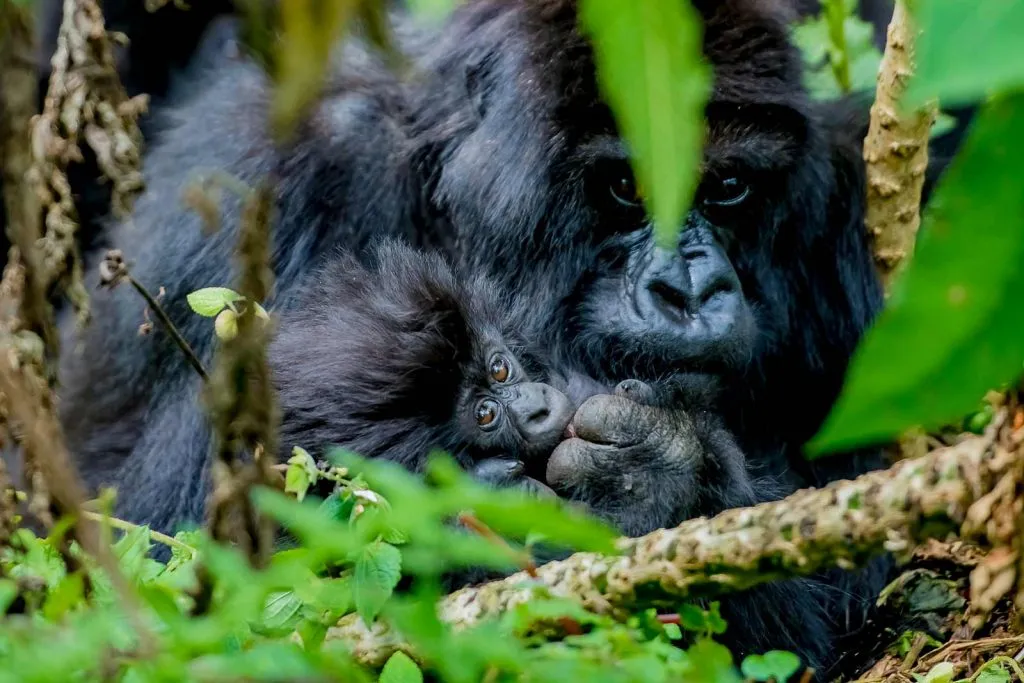
No experience defines Uganda quite like coming face-to-face with mountain gorillas in their natural habitat. Bwindi Impenetrable National Park, a UNESCO World Heritage Site in southwestern Uganda, protects nearly half of the world’s remaining mountain gorilla population—roughly 459 individuals across 21 habituated family groups.
The journey begins before dawn, with a briefing at park headquarters where rangers assign groups and outline the day’s trek. What follows is an adventure through one of Africa’s oldest rainforests, a tangled realm of giant ferns, towering hardwoods, and vines that seem to pulse with life. The terrain is challenging—steep, muddy, and true to the park’s name, often impenetrable—but the moment you encounter a silverback lounging in a clearing, or watch infants tumble playfully through the undergrowth, every difficulty dissolves.
These encounters are limited to one hour, a conservation measure that protects the gorillas from excessive human contact while generating crucial funds for their protection. The experience is intimate and profoundly moving; you’re not merely observing these great apes but sharing space with them, watching their social dynamics unfold, and recognizing in their eyes an unmistakable intelligence and awareness.
For those seeking an even more immersive experience, the gorilla habituation experience allows visitors to spend up to four hours with gorillas still being acclimated to human presence, offering deeper insights into their behavior and social structures.
2. Safari Through Queen Elizabeth National Park
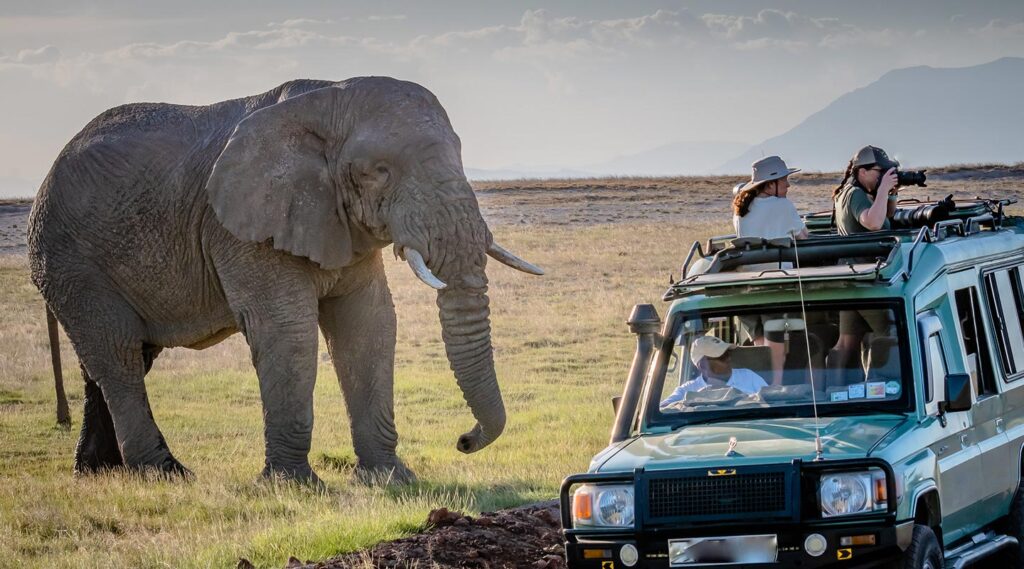
Queen Elizabeth National Park epitomizes the classic East African safari experience, but with a distinctly Ugandan character. Sprawling across nearly 2,000 square kilometers in western Uganda, the park encompasses an astonishing diversity of ecosystems—from savanna and wetlands to lowland forest and crater lakes formed by ancient volcanic activity.
The park’s wildlife roster is impressive: elephants, buffalo, leopards, and over 600 bird species call this place home. But the real stars are the tree-climbing lions of Ishasha, a behavior observed in only a handful of lion populations worldwide. Spotting these majestic cats draped across fig tree branches, escaping the midday heat or surveying the plains for prey, is an unforgettable sight.
The Kazinga Channel, a 32-kilometer natural waterway connecting Lake Edward and Lake George, offers perhaps the park’s most spectacular wildlife viewing. Boat cruises along the channel reveal massive pods of hippos, Nile crocodiles basking on muddy banks, and an extraordinary concentration of waterbirds. Elephants wade into the shallows to drink, while buffalo herds graze on the verdant shoreline.
For a different perspective, explore the Kyambura Gorge—a dramatic forested ravine that shelters a community of chimpanzees. The gorge, often called the “Valley of Apes,” provides a striking contrast to the surrounding savanna and offers excellent primate tracking alongside the traditional game drives.
3. Navigate the Source of the Nile in Jinja
The town of Jinja, perched on the shores of Lake Victoria, holds a special place in geographical and historical lore as the source of the White Nile. This is where the world’s longest river begins its 6,650-kilometer journey northward through Sudan and Egypt to the Mediterranean Sea.
The significance of this location cannot be overstated. For millennia, explorers sought this exact spot, and in 1858, British explorer John Hanning Speke became the first European to witness the Nile flowing from Lake Victoria, though the claim remained controversial for years.
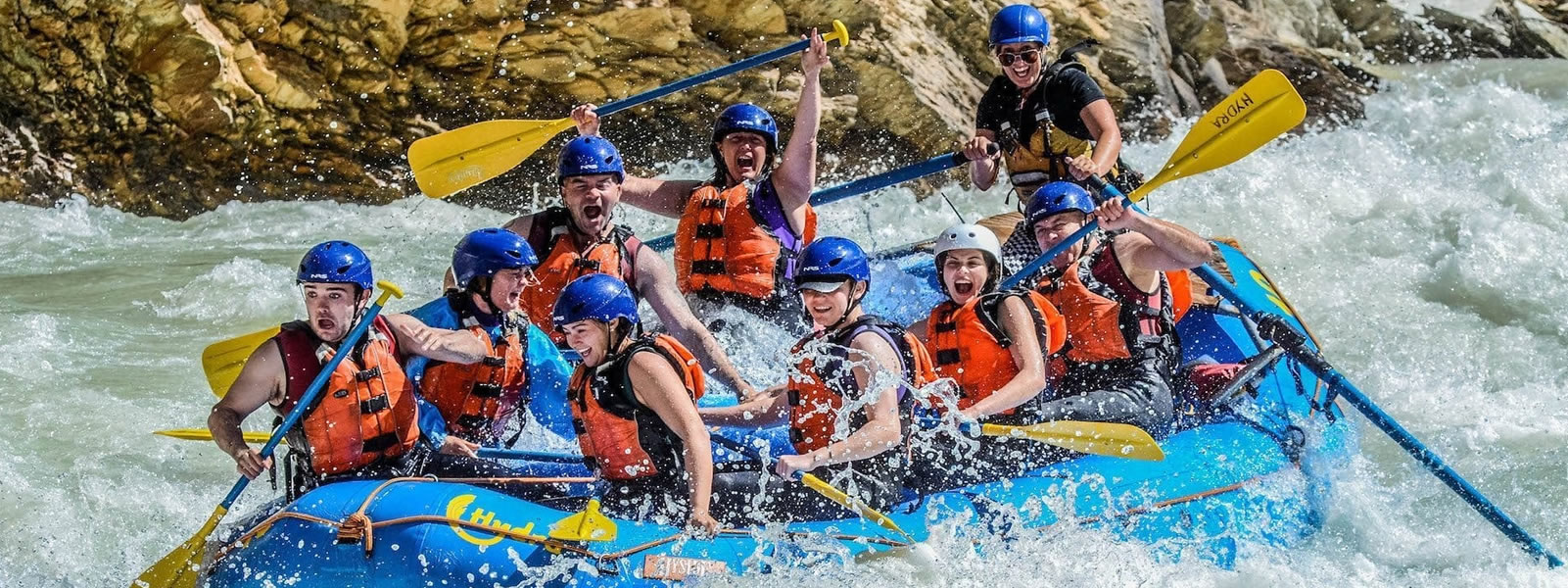
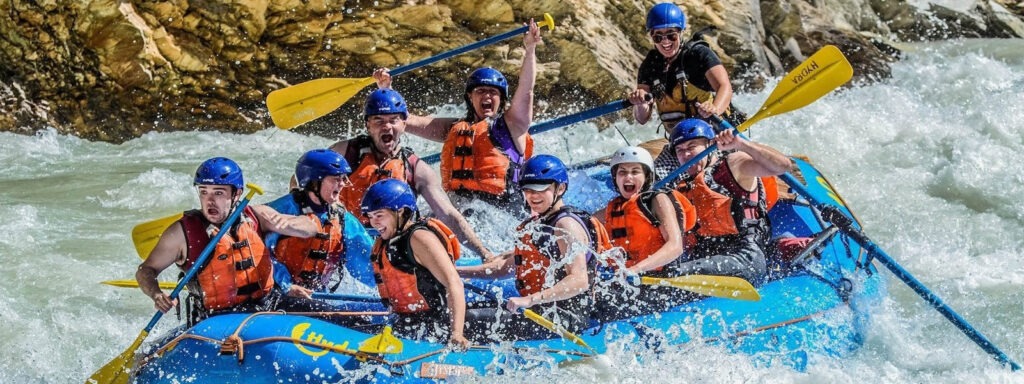
Today, Jinja has transformed into East Africa’s adventure capital. The Nile’s powerful rapids create world-class white-water rafting opportunities, with grades ranging from Class III to Class V. The experience combines heart-pounding adrenaline with moments of serene beauty as you float through papyrus-lined channels, past fishing villages, and beneath the watchful eyes of kingfishers and fish eagles.
Beyond rafting, Jinja offers kayaking, stand-up paddleboarding, bungee jumping over the Nile, quad biking, and horseback riding. The Source of the Nile monument itself, located at the point where the river departs Lake Victoria, provides a quieter way to connect with this legendary waterway. Boat trips from the monument offer opportunities to spot monitor lizards, otters, and an impressive array of birdlife.
4. Immerse Yourself in Kampala’s Urban Energy
Uganda’s capital city pulses with an energy that reflects the nation’s contemporary spirit while maintaining deep connections to its past. Kampala spreads across seven hills, each with its own character and historical significance, creating a cityscape that’s both chaotic and captivating.
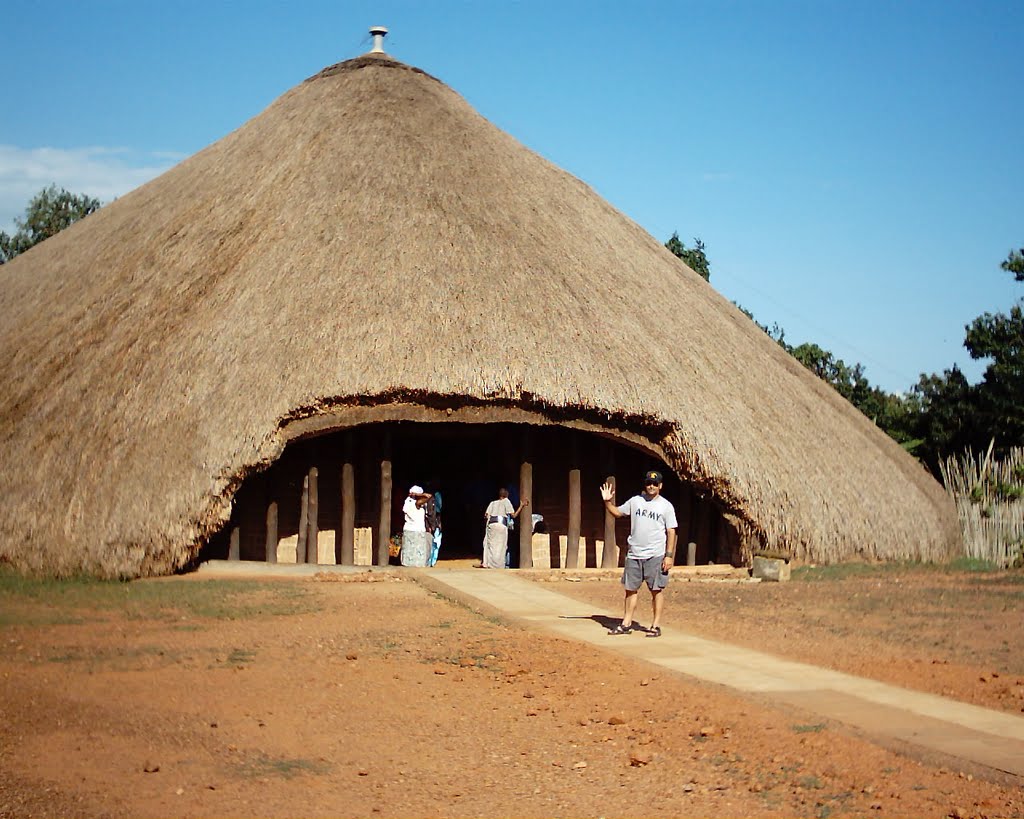
The Kasubi Royal Tombs, another UNESCO World Heritage Site, serve as the burial grounds for four Buganda kings and represent an outstanding example of traditional architecture and spiritual practices. The massive thatched dome of the main tomb structure—rebuilt after a devastating fire in 2010—rises impressively from the hilltop, while the site itself remains an active spiritual center for the Buganda people.
For insights into Uganda’s tumultuous political history, the Uganda Museum offers comprehensive exhibits on the country’s archaeological heritage, ethnography, and natural history. Meanwhile, the sobering Uganda Martyrs Shrine at Namugongo commemorates 23 Anglican and 22 Catholic converts who were executed for their faith in 1886, drawing pilgrims from across the continent each June 3rd.
Kampala’s markets provide the most visceral introduction to daily Ugandan life. Owino Market, one of East Africa’s largest open-air markets, is a sensory explosion where vendors sell everything from fresh produce and second-hand clothing to traditional crafts and herbal medicines. The organized chaos, constant negotiation, and genuine warmth of interactions offer authentic cultural immersion.
The city’s dining scene reflects Uganda’s increasing cosmopolitan character, with restaurants serving everything from traditional matoke (steamed plantains) and groundnut stew to Indian curries and international fusion cuisine. Evening spots like the Ndere Cultural Centre offer performances of traditional music and dance from Uganda’s diverse ethnic communities.
5. Discover Murchison Falls’ Raw Power
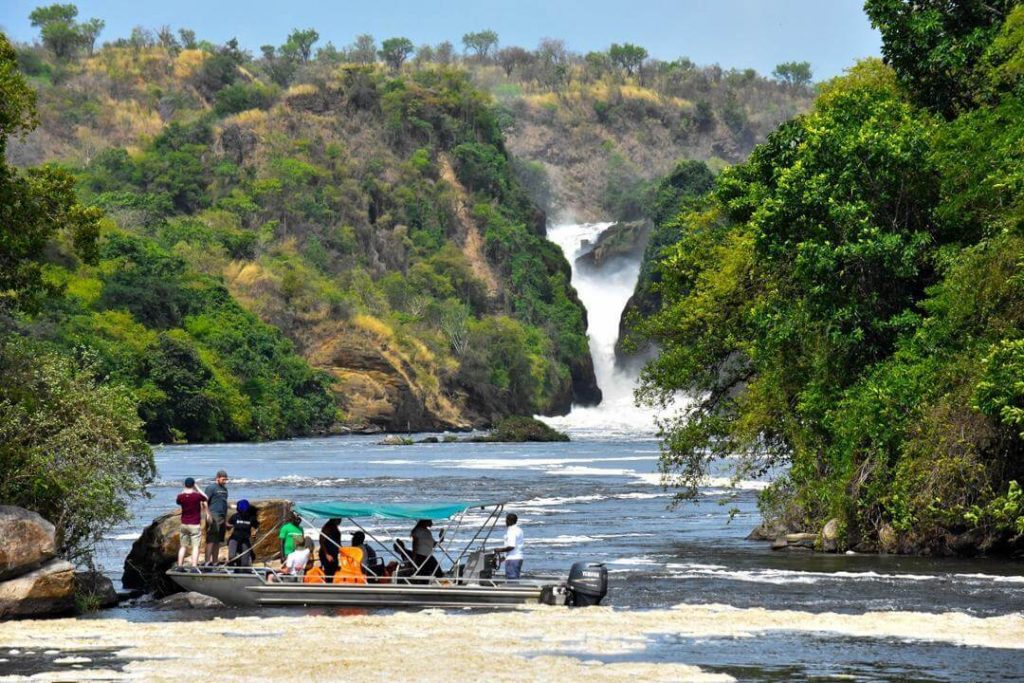
Murchison Falls National Park, Uganda’s largest protected area, showcases nature’s spectacular force where the Victoria Nile explodes through a narrow seven-meter gorge and plunges 43 meters in a thunderous cascade. The falls themselves, described by Ernest Hemingway as the most beautiful he’d ever seen, create a permanent mist that nourishes lush vegetation and attracts countless animals.
The park’s northern sector features classic savanna landscapes reminiscent of the Serengeti, with large herds of Uganda kob, Jackson’s hartebeest, and oribi grazing across rolling grasslands. Rothschild’s giraffes—a critically endangered subspecies—stride gracefully through acacia woodlands, while massive elephants and buffalo herds dominate the riverine zones.
The Nile itself serves as the park’s lifeblood and primary wildlife corridor. Boat safaris to the base of Murchison Falls provide close encounters with hippos and Nile crocodiles, some reaching truly dinosaur-like proportions. The riverbanks come alive with birdlife: goliath herons, saddle-billed storks, African fish eagles, and the bizarre prehistoric-looking shoebill stork, one of Africa’s most sought-after bird sightings.
For a more active experience, hike to the top of the falls along a forested trail where the spray creates rainbow halos and the ground trembles from the water’s force. The view from above, where the entire mighty river funnels through a gap you could practically jump across, provides a humbling reminder of nature’s immense power.
The park also offers chimpanzee tracking in Budongo Forest, night game drives in search of leopards and hyenas, and sport fishing opportunities for massive Nile perch.
6. Trek the Rwenzori Mountains
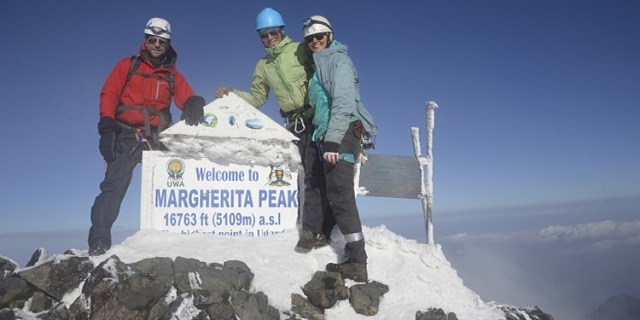
The Rwenzori Mountains, the legendary “Mountains of the Moon,” rise along Uganda’s western border with the Democratic Republic of Congo, their snow-capped peaks creating one of Africa’s most improbable sights just kilometers from the equator. This UNESCO World Heritage Site protects an otherworldly alpine environment unlike anything else on the continent.
Unlike volcanic mountains like Kilimanjaro, the Rwenzoris are a block mountain range pushed upward by tectonic forces. The result is a dramatic, heavily glaciated landscape where massive peaks—including Margherita Peak at 5,109 meters, Africa’s third-highest summit—pierce the clouds.
Trekking the Rwenzoris demands serious commitment. Multi-day circuits traverse through five distinct vegetation zones: montane forest, bamboo zone, heather zone, alpine zone, and finally the glacial zone. Each ecosystem harbors unique flora, including giant groundsels and lobelias that grow to bizarre proportions in the thin mountain air, creating landscapes that feel almost extraterrestrial.
The trails are notoriously muddy and challenging, with steep ascents and descents through bogs, across glacial rivers, and over rocky ridges. But the rewards match the effort: crystalline mountain lakes reflecting towering peaks, rare birds like the Rwenzori turaco, and the profound satisfaction of standing above the clouds in one of Africa’s most remote wilderness areas.
For those not attempting the peaks, shorter treks exploring the lower slopes still provide stunning scenery, waterfall visits, and opportunities to learn about the traditional medicinal plants that grow in these mountains.
7. Connect with Traditional Cultures
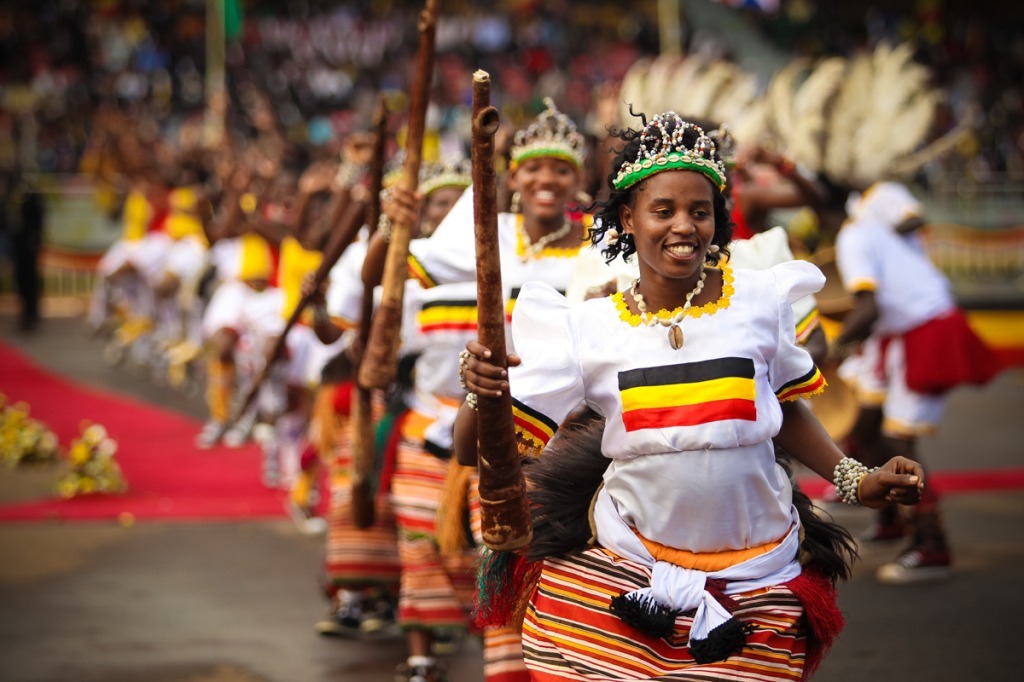
Uganda’s cultural wealth stems from its remarkable ethnic diversity—over 50 distinct tribes speaking numerous languages and maintaining unique traditions. Engaging with these living cultures provides essential context for understanding the Uganda beyond wildlife and landscapes.
In the far northeastern Karamoja region, semi-nomadic pastoralist communities like the Karamojong maintain traditions that have changed little over centuries. Cultural visits to manyattas (traditional homesteads) offer insights into their cattle-centered economy, elaborate body decoration, and the challenges of preserving traditional lifestyles amid rapid modernization.
The Batwa people, often called “pygmies,” are the original inhabitants of Uganda’s mountainous forests. Displaced when the forests became protected gorilla habitats, many Batwa communities now offer cultural experiences that share their profound knowledge of forest life—from traditional hunting techniques and plant uses to their hauntingly beautiful music and dance. These visits provide important income for a marginalized community while preserving irreplaceable knowledge.
In central Uganda, the Buganda Kingdom maintains its historical structures and cultural practices. Visiting one of the traditional palace sites or attending a cultural performance provides insights into the sophisticated political systems and artistic traditions of Uganda’s largest ethnic group.
The Ik people of northeastern Uganda, living in one of the country’s most remote and harsh environments, offer yet another cultural perspective. Their mountain-top villages and survival strategies in an unforgiving landscape demonstrate remarkable human adaptability.
Throughout Uganda, community tourism initiatives allow visitors to participate in daily activities—brewing local beer, preparing traditional meals, learning traditional crafts, or joining in village celebrations. These experiences, when conducted respectfully and with appropriate cultural sensitivity, create meaningful exchanges that benefit both visitors and communities.
8. Explore Lake Bunyonyi’s Island Serenity
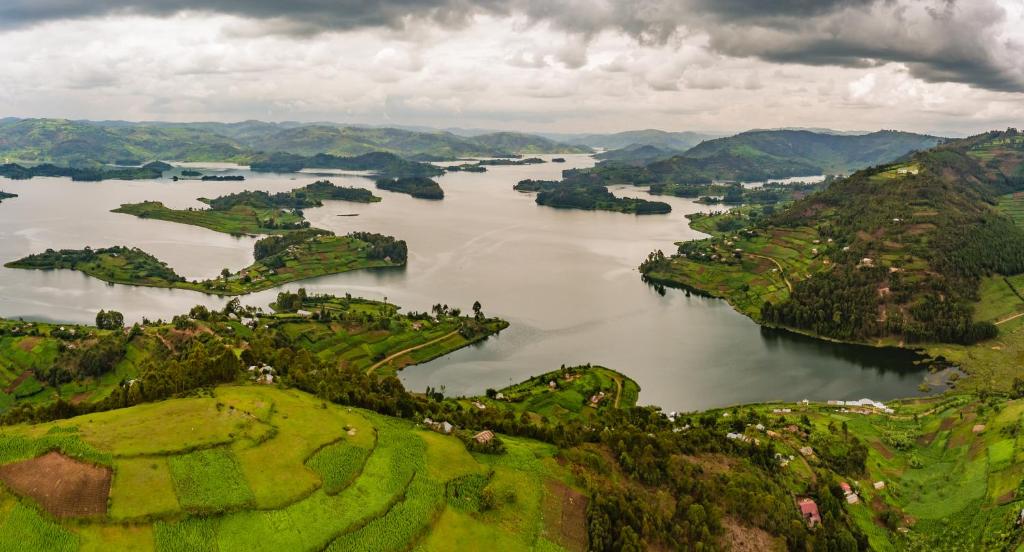
Lake Bunyonyi, nestled in southwestern Uganda’s highlands between Kabale and the Rwandan border, offers a complete contrast to the country’s more adrenaline-fueled attractions. This is Uganda at its most peaceful—a place for reflection, relaxation, and restoration.
The lake’s name means “place of many little birds” in the local Rukiga language, and it lives up to this poetic description. Over 200 bird species inhabit the terraced hillsides and papyrus-fringed shores, their calls echoing across the water in the cool mountain air.
Bunyonyi is Africa’s second-deepest lake, plunging to depths of 900 meters in places, yet its waters are bilharzia-free and safe for swimming—a rare luxury in East Africa. The lake’s 29 islands, each with its own history and character, invite exploration by dugout canoe, the traditional transport method that allows quiet passage through this scenic wonderland.
Punishment Island, though tiny, carries a heavy history. This was where unmarried pregnant girls were once abandoned to die or drown, deemed to have brought shame on their families. Today it serves as a sobering reminder of past practices while highlighting how far society has progressed.
The terraced hillsides surrounding the lake showcase the ingenuity of local farming communities who have sculpted the steep slopes into productive agricultural land. Hiking or mountain biking through these villages provides encounters with friendly locals and spectacular panoramic views across the lake’s island-studded waters.
Lake Bunyonyi has become increasingly popular as a post-gorilla-trek retreat, where sore muscles can recover and minds can process the profound experience of meeting mountain gorillas. Various accommodations line the shores, from budget campsites to luxury lodges, many built on stilts extending into the water.
9. Wildlife Safari in Kidepo Valley National Park
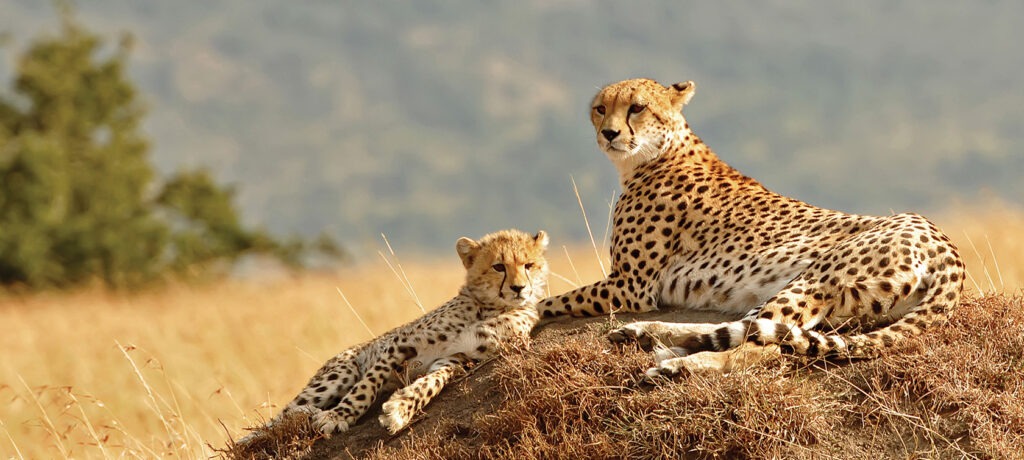
For those willing to journey to Uganda’s remote northeastern corner, Kidepo Valley National Park offers what many consider the country’s most spectacular and unspoiled wilderness. This isolated park, tucked against the borders with South Sudan and Kenya, remains remarkably untouched by mass tourism.
Kidepo’s landscape is dramatic—vast savanna plains hemmed in by distant mountain ranges, seasonal rivers bordered by borassus palms, and rocky outcrops favored by lions. The park protects wildlife species found nowhere else in Uganda, including cheetahs, bat-eared foxes, caracals, and aardwolves, alongside healthy populations of elephants, buffalo, zebras, and giraffes.
The birdlife is exceptional, with over 475 species recorded, including numerous East African dry-land specialists. The ostrich, Africa’s largest bird, struts across the plains alongside kori bustards and secretary birds.
What makes Kidepo truly special is the sense of wilderness and solitude. Game drives can last hours without encountering another vehicle, creating an exclusive safari experience reminiscent of Africa decades ago. The Narus Valley, with its permanent water sources, concentrates wildlife year-round, while the broader Kidepo Valley showcases the park’s more austere beauty.
The cultural dimension adds another layer of interest. The local Karamojong and Ik communities maintain traditional lifestyles, and visits to their villages provide insights into pastoralist cultures adapted to this harsh but beautiful environment.
Reaching Kidepo requires commitment—either a long drive on rough roads or a chartered flight—but those who make the journey are invariably rewarded with one of Africa’s most authentic wilderness experiences.
Conclusion
Uganda defies easy categorization. It’s neither the Serengeti’s endless plains nor the Okavango’s watery wilderness, but something altogether its own—a compact nation containing an extraordinary concentration of Africa’s most compelling experiences. From the profound intimacy of gorilla encounters to the thundering power of Murchison Falls, from urban Kampala’s vibrant energy to Lake Bunyonyi’s island tranquility, Uganda reveals the full spectrum of African travel.
What truly distinguishes Uganda is accessibility. Unlike many African destinations where wildlife experiences require extensive travel between distant parks, Uganda’s compact size means you can track gorillas one day, safari among lions the next, and raft the Nile the day after. This density of attractions, combined with the genuine warmth of Ugandan people and relatively affordable costs, makes Uganda one of Africa’s most rewarding destinations.
Whether you’re a first-time visitor to Africa or a seasoned safari veteran, Uganda offers experiences that will challenge, inspire, and ultimately transform your understanding of what the continent has to offer. Winston Churchill’s famous designation of Uganda as the “Pearl of Africa” wasn’t mere hyperbole—it was recognition of a land where nature’s greatest treasures are gathered in remarkable abundance.
Planning to visit Africa for self drive or driver-guided safari in Uganda this season- we at Uganda Car Rental Deal will be more than delighted to organize for you a road trip that fits your travel budget and interests. Just contact us today by sending an email to info@ugandacarrentaldeal.com or calling +256-700135510 to speak with the reservations team.