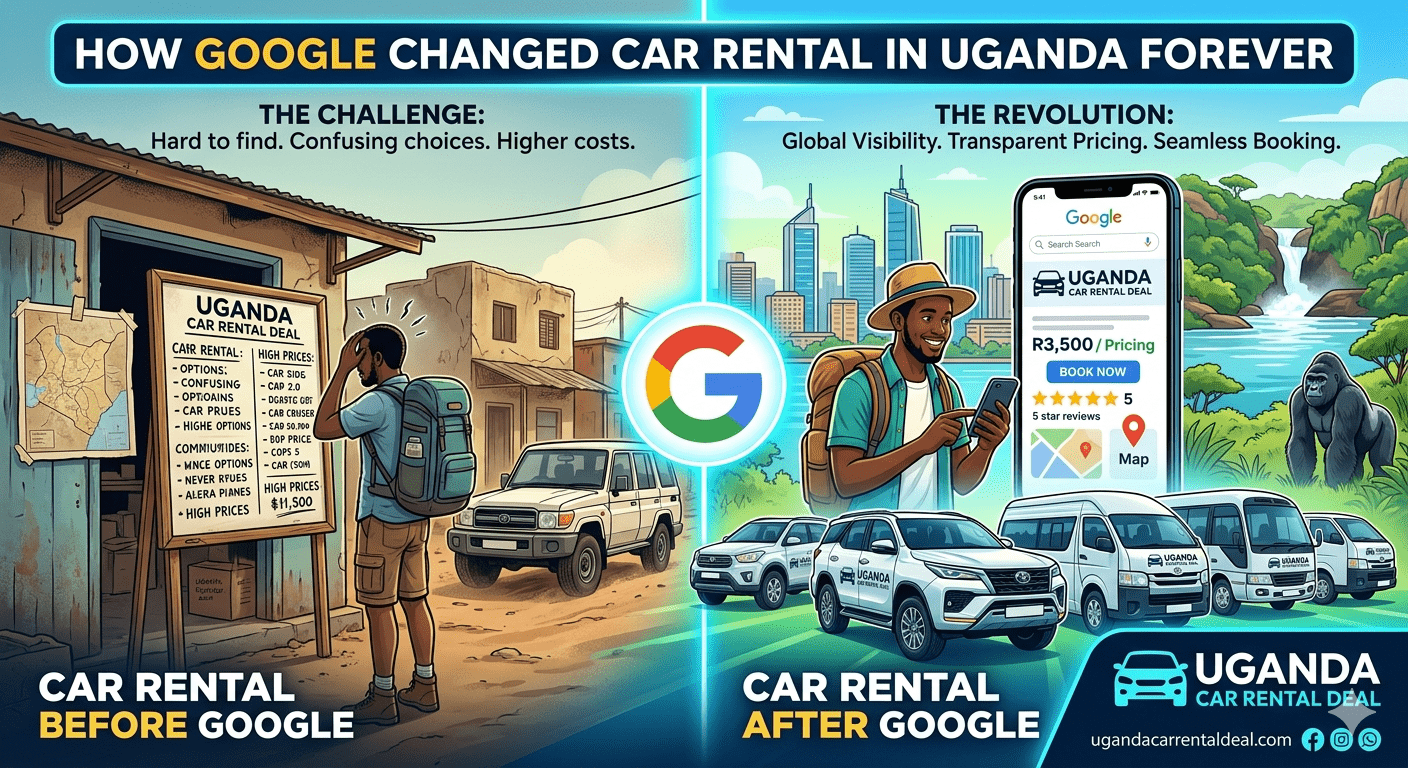
There is a before and after in Uganda’s car rental industry. The dividing line is not a new road, a government policy, or a fleet of better vehicles. It is a search engine. Specifically, it is the moment Google became the default starting point for every traveller planning a trip to Uganda — and the moment local car rental companies realised that the world had fundamentally changed around them.

To understand just how dramatically Google reshaped the Uganda car rental landscape, you need to understand how that industry operated before the internet arrived in earnest. And to appreciate what that shift truly means for travellers today, you need to follow the journey of a booking from its first search query all the way to a vehicle pulling out of Entebbe Airport with a tourist at the wheel.
The Way Things Were: A Business Built on Connections
Before Google, before smartphones, and before Uganda’s internet infrastructure reached the level of reliability it holds today, car rental in Uganda was an industry that ran almost entirely on personal connections, word of mouth, and the hotel concierge desk.
A tourist arriving at Entebbe would ask their hotel receptionist to recommend a Uganda car hire company. The receptionist would call a number they had written in a notebook. A vehicle would materialise the following morning. The tourist would have no way of comparing prices, no mechanism for reading reviews, no means of verifying whether the company they were using was reputable or whether the vehicle was roadworthy. They simply trusted the chain of recommendations — and that chain was entirely controlled by whoever had the strongest personal relationships with hotels, travel agents, and airport staff.

Local car rental operators competed not on the quality of their service or the transparency of their pricing but on the depth of their connections. If you knew the right hotel managers in Kampala and Entebbe, your phone rang. If you did not, it stayed silent. The market was opaque, closed, and heavily weighted toward established players who had spent years cultivating the right relationships. New entrants had almost no pathway to customers regardless of how good their vehicles or service actually were.
For tourists, the consequences were significant. Overpricing was common because comparison was impossible. Vehicle quality was inconsistent because accountability was limited. And the entire car rental experience was mediated through layers of intermediaries, each taking a margin, before it ever reached the traveller.
The Google Revolution: Transparency at Scale
Google did not arrive in Uganda’s car rental industry with a single dramatic moment. It crept in gradually as internet penetration improved, as smartphone ownership grew, and as travellers around the world adopted the habit of searching online before making any purchase decision of significance.
The shift accelerated powerfully through the 2010s as Uganda’s mobile data infrastructure expanded and 4G connectivity reached meaningful coverage across the country. Suddenly, a car rental operator in Kampala could build a website, optimise it for Google search, and appear in front of a tourist sitting in London, New York, or Nairobi researching their Uganda trip — without any hotel connection, without any intermediary, and without any of the legacy advantages that had previously defined market access.
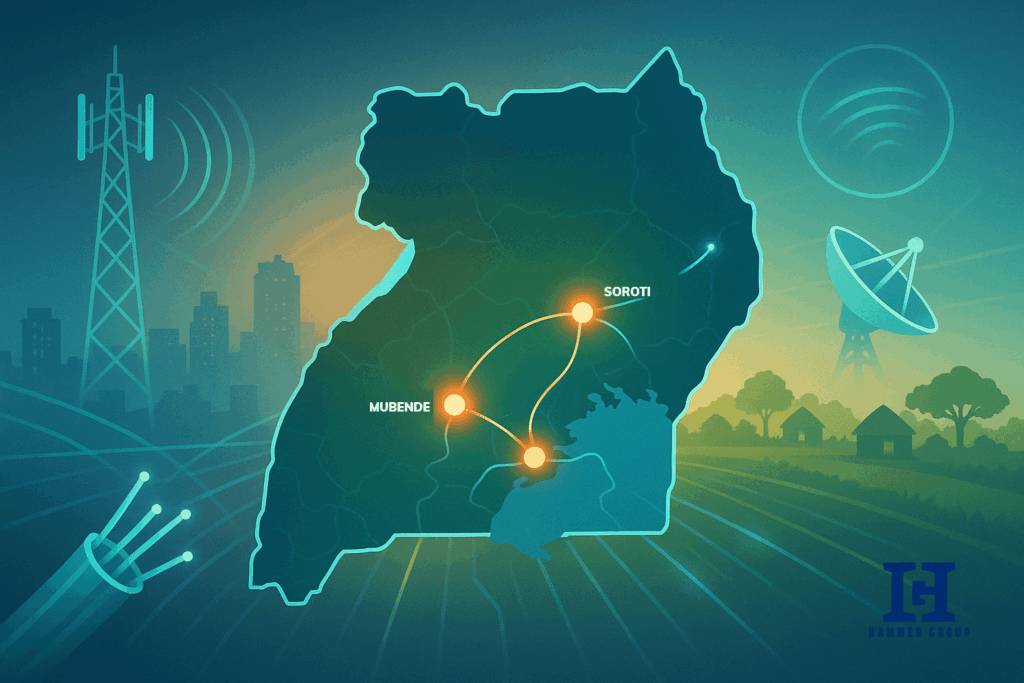
For the first time in the industry’s history, a small but professional car rental company with excellent vehicles, transparent pricing, and genuine customer service could compete directly with operators who had spent decades building relationship networks. Google Search levelled the playing field in the most democratic way imaginable: it rewarded relevance, quality, and information rather than connections and proximity.
The impact on how tourists interact with Uganda’s car rental market was equally transformative. A traveller planning a Uganda safari today begins their car rental search on Google weeks or months before departure. They compare multiple companies simultaneously, read customer reviews on Google Business profiles, examine photo galleries of actual vehicles, study pricing structures, and evaluate company credibility — all before making a single phone call or sending a single email. By the time they contact a rental company, they are informed, confident, and clear about what they want.
Google Reviews: The New Word of Mouth
Perhaps no single feature of Google’s ecosystem changed Uganda’s car rental industry more profoundly than Google Reviews. In the pre-internet era, reputation travelled slowly through personal networks. A tourist who had a bad experience with a car rental company in Uganda told their friends, wrote a note in a travel journal, perhaps mentioned it on an early internet forum. The reach was limited and the impact was slow.
Google Reviews compressed that feedback loop into something instantaneous and permanent. A tourist who collects their rental vehicle in Entebbe on Monday morning can leave a detailed Google review by Monday evening. That review is immediately visible to every potential customer searching for car rental in Uganda anywhere in the world. It contributes to a star rating that sits prominently in Google Search results and on Google Maps — one of the first pieces of information any prospective customer sees.
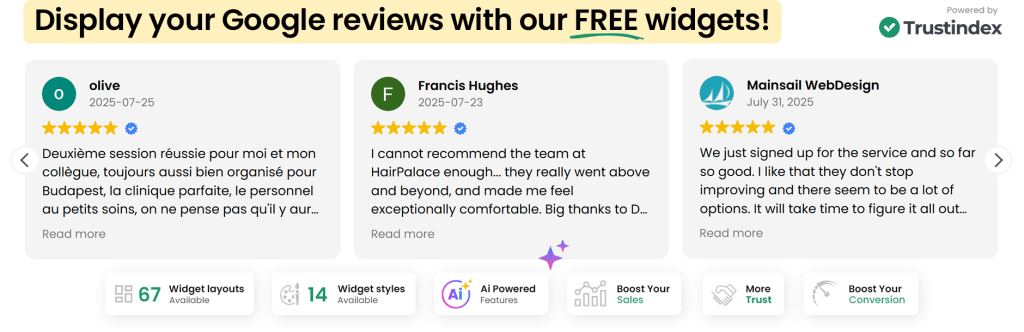
For Uganda’s car rental operators, this created accountability at a scale the industry had never previously experienced. Companies that delivered poor vehicles, hidden fees, or unreliable service found their reputations documented publicly and permanently. Companies that invested in vehicle maintenance, professional customer service, and honest pricing found those qualities rewarded with five-star reviews that compounded over time into powerful competitive advantages.
The result was a wholesale improvement in service standards across the industry. Google Reviews did not just change how tourists found car rental companies in Uganda — it changed how those companies behaved, because for the first time the consequences of poor service were visible, measurable, and impossible to ignore.
Google Maps: Empowering the Self-Drive Revolution
Alongside Google Search and Google Reviews, Google Maps delivered a third transformational impact on Uganda’s car rental industry — one that directly enabled the growth of self-drive tourism in a country where navigating unfamiliar roads had previously been a serious barrier to independent travel.
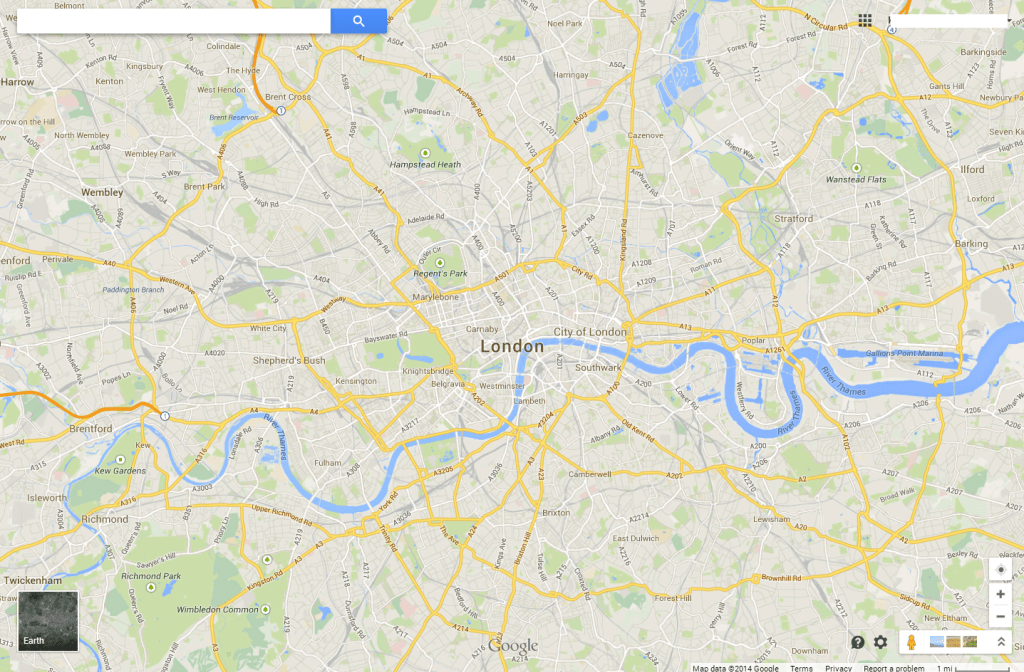
Before Google Maps, self-driving in Uganda required physical maps that were frequently outdated, local knowledge that tourists simply did not possess, and a tolerance for getting genuinely lost on roads that offered few landmarks and even fewer signposts. Most tourists who wanted independent travel in Uganda felt compelled to hire a driver simply because navigating without one seemed dauntingly risky.
Google Maps changed that calculation entirely. With offline maps downloaded before departure — covering every region of Uganda including the approaches to Bwindi, the tracks through Murchison Falls, and the highland roads around Kabale — a tourist with no prior Uganda experience can self-drive confidently across the entire country. Turn-by-turn navigation handles the route-finding, real-time traffic data manages the Kampala commute, and satellite imagery allows drivers to preview road conditions on unfamiliar tracks before committing to them.
The practical result was a surge in self-drive car rental bookings that Uganda’s industry had never previously experienced. Tourists who would previously have booked a guided tour out of navigational necessity discovered that a 4×4 rental and Google Maps gave them total freedom at a fraction of the cost. The self-drive market in Uganda grew substantially, and Google Maps was the technology that made it possible.
Google Ads and the Global Marketplace
For Uganda car rental companies willing to invest in digital marketing, Google Ads opened a further dimension of transformation — the ability to place their services directly in front of international tourists at the precise moment those tourists were searching for exactly what they offered.
A Uganda car rental operator running a well-structured Google Ads campaign appears at the top of search results for queries like “car hire Uganda,” “4×4 rental Kampala,” or “self-drive safari Uganda” — capturing high-intent customers at the exact moment of decision. This capability, which would have required enormous advertising budgets and international agency relationships in the pre-digital era, became accessible to companies of every size through Google’s self-serve advertising platform.
The democratisation of advertising reach meant that innovative, customer-focused Ugandan car rental companies could build genuinely international client bases — taking bookings directly from tourists in Europe, North America, and Australia without intermediaries, without commission structures, and without the geographic barriers that had previously made international marketing the exclusive territory of large, well-capitalised operators.
What This Means for Travellers Today
The Google revolution in Uganda’s car rental industry ultimately delivered its greatest benefits not to the companies competing within it but to the tourists those companies serve. Travellers today enjoy a level of transparency, choice, and informed decision-making that was simply inconceivable a generation ago.
You can find your Uganda car rental company on Google, read dozens of genuine customer reviews, compare vehicles and pricing across multiple operators, verify company credentials, and book with confidence — all from your laptop or phone before you ever board your flight. The information asymmetry that once left tourists vulnerable to overpricing and poor service has been replaced by a marketplace where quality and honesty are the most reliable paths to commercial success.
Google did not just change how Uganda’s car rental industry markets itself. It changed what that industry has to be — more transparent, more accountable, more professional, and more genuinely focused on delivering the experience it promises.
At Uganda Car Rental Deal, we embrace everything that digital transparency demands — honest pricing, verified reviews, detailed vehicle information, and customer service that earns its reputation one journey at a time.
To book a rental car in Uganda for self drive or with a driver, simply contact us now by sending an email to info@ugandacarrentaldeal.com or call 📞 +256-779232316